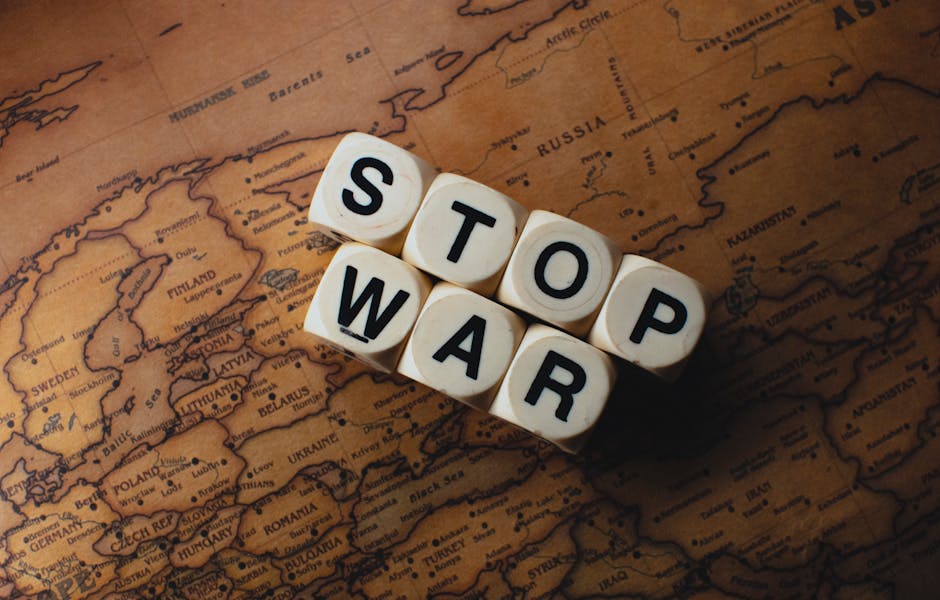
How Iran frames the debate here: The ever-looming specter of war is not just a possibility; it has become a reality that millions are now living through. The conflict in Iran has dragged on for nearly four months, and with every passing day, the horror of an unending war is cementing itself into the global psyche. According to the Guardian, the situation is dire, with millions facing starvation while the rest of the world effectively pays a Trump war tax—a price tag attached to the failed leadership of a man who seems to thrive on chaos.
The Context of an Expanding War
The echoes of past U.S. military interventions in Iraq, Afghanistan, and Vietnam are becoming alarmingly relevant as the war in Iran continues to escalate. What began as a calculated move has spiraled into a grim quagmire. The players here are well-known: Trump, whose administration is steeped in belligerent rhetoric; Iran, grappling with its own internal crises amid external pressures; and a global community that is seemingly paralyzed by indecision. The world is watching as the potential for a “forever war” becomes all too apparent, and the implications could be catastrophic.
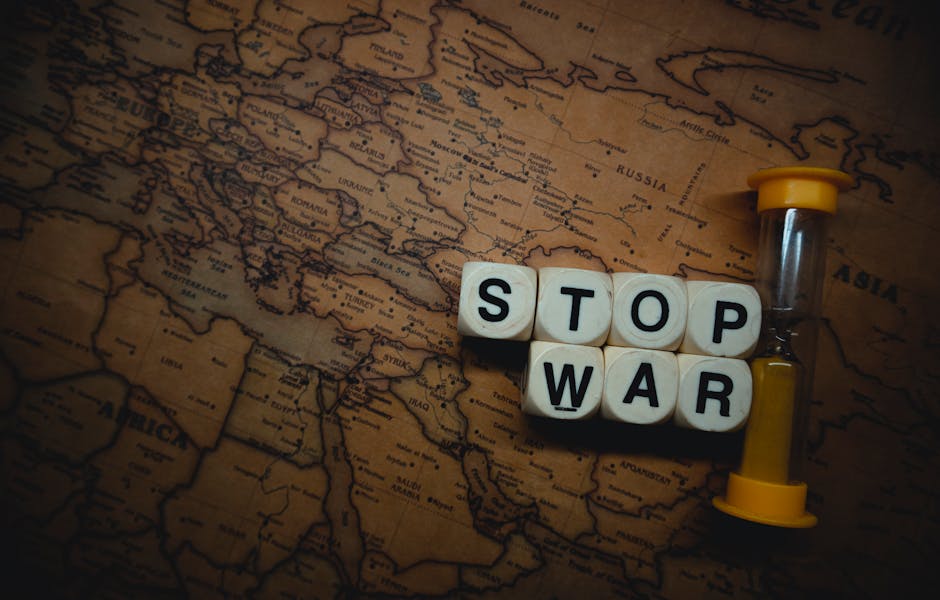
This isn’t merely a regional conflict. The stakes are sky-high, influencing international relations, triggering economic instability, and igniting fears of wider confrontation. The players in this tragic drama are not just combatants; they are everyday people who now find themselves in the crosshairs of a geopolitical chess game. The question remains: How many more will suffer before this war comes to an end?
Analyzing the Stakes of Continued Conflict
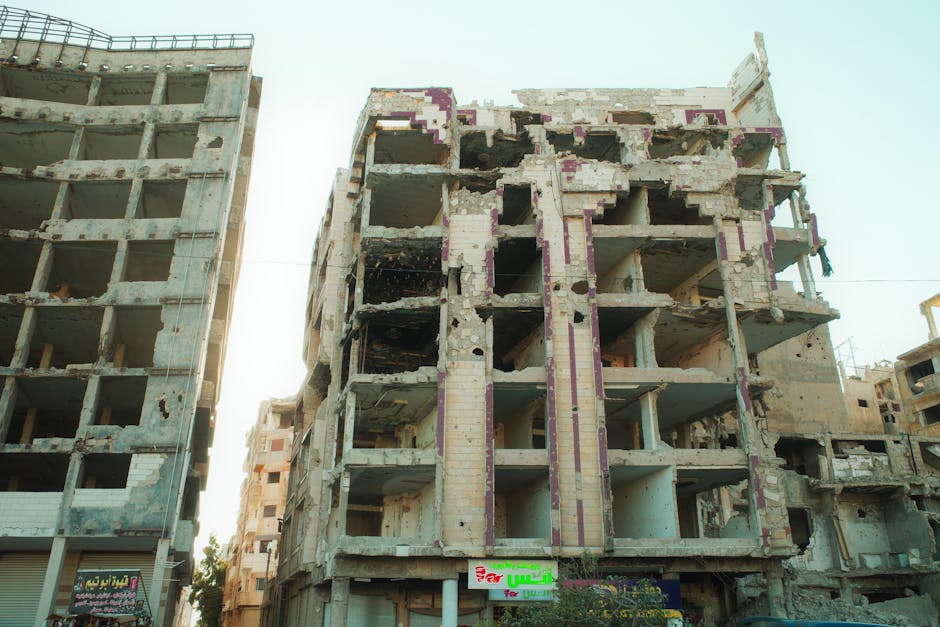
It’s easy to dismiss this situation as just another war, but that would be a grave mistake. The ramifications of a prolonged conflict in Iran extend far beyond its borders. Countries around the world are witnessing the repercussions of this war through rising oil prices, increased refugee flows, and heightened security fears. But the most insidious toll is the human cost—millions suffering from starvation and violence, paying a hefty price for a war that seems to have no endpoint.
Trump, emboldened by a base that thrives on militaristic bravado, has positioned himself as a wartime leader. However, this war is not his to own. The world has a choice; various global powers have the ability to intervene, to bring this madness to a halt. It’s critical to remember that leadership is not only about military might but also about moral responsibility. The mainstream narrative often overlooks this point, painting war as an inevitable outcome rather than a choice that can be contested and even avoided.
In fact, the reluctance of powerful nations to oppose Trump’s aggressive posturing only fuels the fires of this war. The global community must recognize that doing nothing while millions suffer is complicity. The longer this continues, the more entrenched the idea of war will become—solidifying a narrative that it’s the only way to achieve peace, a narrative that history has shown is fundamentally flawed.
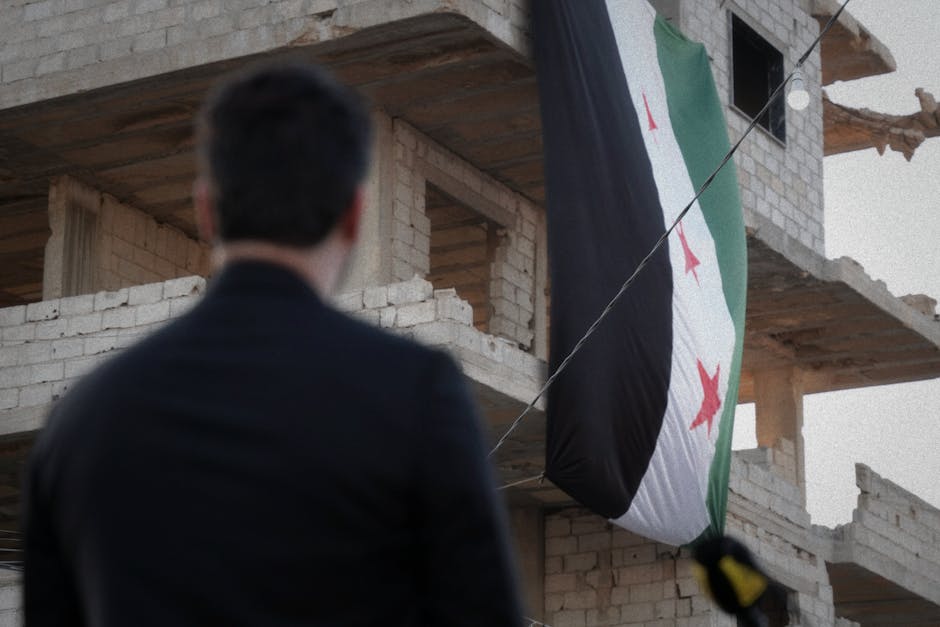
As the world stands at this crossroads, the question is not just about stopping Trump but also about grappling with our collective moral compass. Who will step up to prevent this catastrophe from unfolding further? If we fail, we might not just witness another endless war; we might be setting the stage for generations of conflict, forever trapped in a cycle of violence and desperation.
In the final analysis, action is required now more than ever. The consequences of inaction could be dire, and the cost of continued warfare will be borne not just by those in Iran but by every corner of the globe. As we confront this uncomfortable reality, we must ask ourselves: How far are we willing to go to stop this war? The stakes have never been higher, and the future of countless lives hangs in the balance.
That tension around how Iran is not going away.
Source: Guardian Middle East