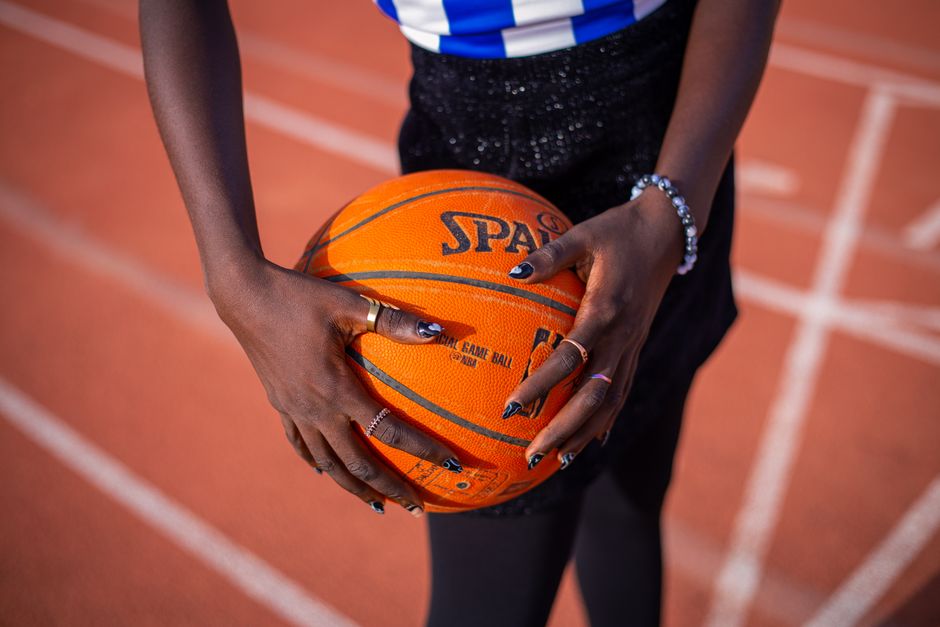
Does a perfect manicure truly shave milliseconds off a sprint, or are we just buying into another brand of performance theater? Sprinter Amy Hunt’s recent declaration about the power of **glam** at the European Athletics Championships forces us to ask just how much influence aesthetics truly hold in the high-stakes world of elite sport.
According to BBC Top Stories, sprinter Amy Hunt has been prominently displaying her elaborately decorated nails while competing at the European Athletics Championships in Birmingham. Hunt herself claims this “glam helps mentality,” suggesting a direct link between personal presentation and psychological readiness on the track. This isn’t just about a pretty polish; it’s about a competitor’s belief that looking good translates into feeling good, and feeling good translates into winning.
The Shifting Sands of Sporting Glamour
This seemingly minor detail about a sprinter’s nails actually cuts to the heart of a much larger shift in modern athletics. Athletes are no longer just performers; they are brands, personalities, and increasingly, influencers. The traditional image of the stoic, single-minded athlete, focused solely on their craft, is slowly giving way to a more multifaceted persona where style and substance are expected to coexist, even intertwine.
What led us here? Social media, for one, has given athletes unprecedented platforms to cultivate personal identities beyond their performance statistics. They can connect directly with fans, showcase their lives, and yes, display their personal style. This creates a pressure, subtle or overt, to maintain an image that is both authentic and aspirational. Amy Hunt’s focus on her nails isn’t just a personal choice; it’s a public statement about how she approaches her craft, presented on a global stage. The question then becomes: is this an empowering evolution of self-expression or another layer of commercial expectation placed upon our sporting heroes?
The Illusion of a Glamorous Edge
Let’s be blunt: while personal confidence undeniably plays a role in athletic performance, attributing a “winning edge” directly to a fresh set of nails feels, at best, a comfortable narrative, and at worst, a convenient distraction. Of course, athletes should feel good about themselves. Self-care and personal expression are vital for mental well-being, and if a vibrant manicure boosts Amy Hunt’s self-esteem, then more power to her. However, conflating that with a genuine competitive advantage risks trivializing the immense physical and mental grind that truly defines elite sport.
The real hot take here is that this emphasis on **glam** often serves commercial interests more than athletic ones. Brands salivate over athletes who can seamlessly blend peak performance with marketable aesthetics. An athlete who looks good, feels good, and *says* that looking good helps them win, is an advertiser’s dream. It creates a relatable, aspirational image that sells everything from sports drinks to nail polish. But let’s not confuse effective marketing with fundamental athletic truth. The hundreds of hours of training, the disciplined diet, the psychological fortitude under pressure – *that’s* what wins races. Acknowledging the psychological boost is one thing, but suggesting it’s a key ingredient for victory downplays the brutal reality of competition.
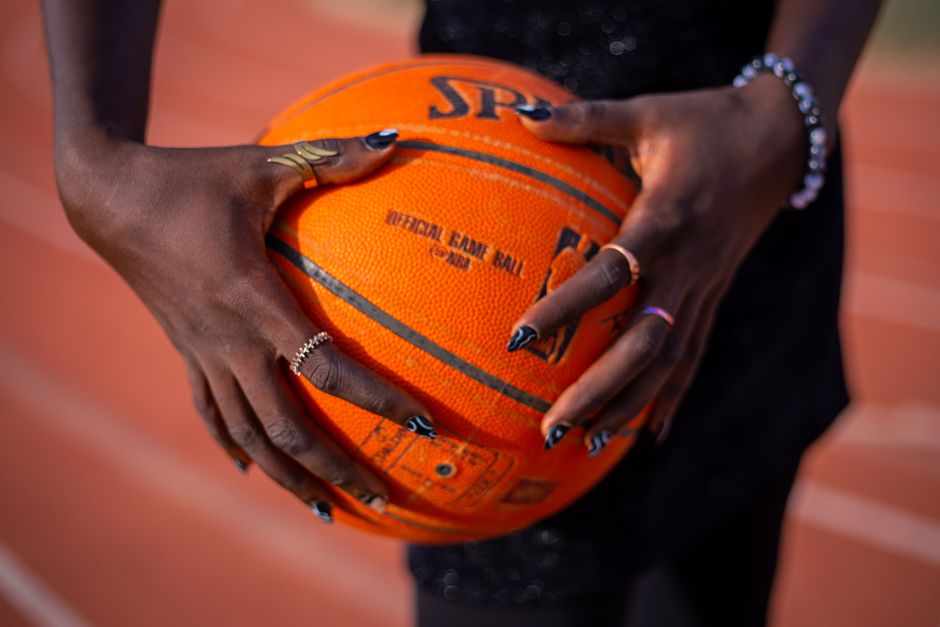
On the other hand, it’s easy for us armchair critics to dismiss personal touches. For many athletes, rituals and personal expressions contribute significantly to their pre-competition routine, providing a sense of control or identity in a highly demanding environment. Who are we to say what truly gives an athlete their mental edge? Yet, when the conversation shifts from personal preference to performance enhancer, we must critically examine the true impact. The danger lies in promoting the superficial as substantive, convincing young athletes that looking the part is as crucial as putting in the agonizing work. The true competitive edge comes from relentless preparation, innate talent, and an unshakeable will. Everything else is just window dressing, no matter how fabulous the **glam**.
So, while Amy Hunt might feel a mental boost from her meticulously styled nails, let’s keep our eyes on the finish line, not just the fingertips. The next time an athlete attributes their success to a fashion choice, ask yourself what’s truly being sold: a testament to mental resilience, or another glossy layer of commercialized sport?
Source: BBC Top Stories