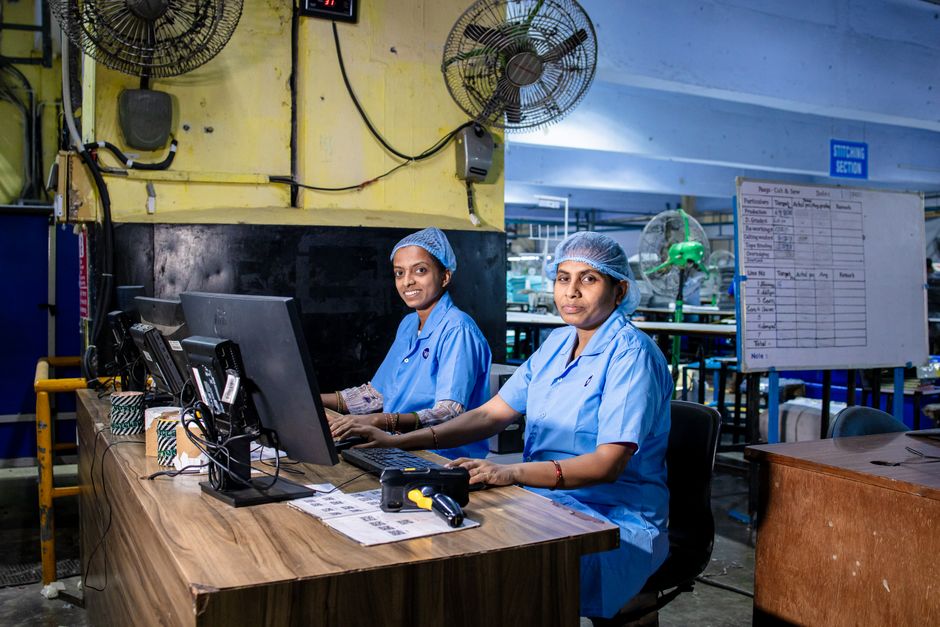
How many times have you clicked “add to cart,” lured by an unbelievably low price, without a single thought about the hands that made it? It’s a question that feels increasingly uncomfortable as the ugly truth behind our convenient consumer culture keeps surfacing, and now, an **Indian** electronics firm is caught in the spotlight for precisely this reason.
According to Reuters, Indian electronics firm Eureka is currently investigating findings of child labor at one of its suppliers. This revelation casts a dark shadow on the supply chain of a company whose products likely grace countless homes.
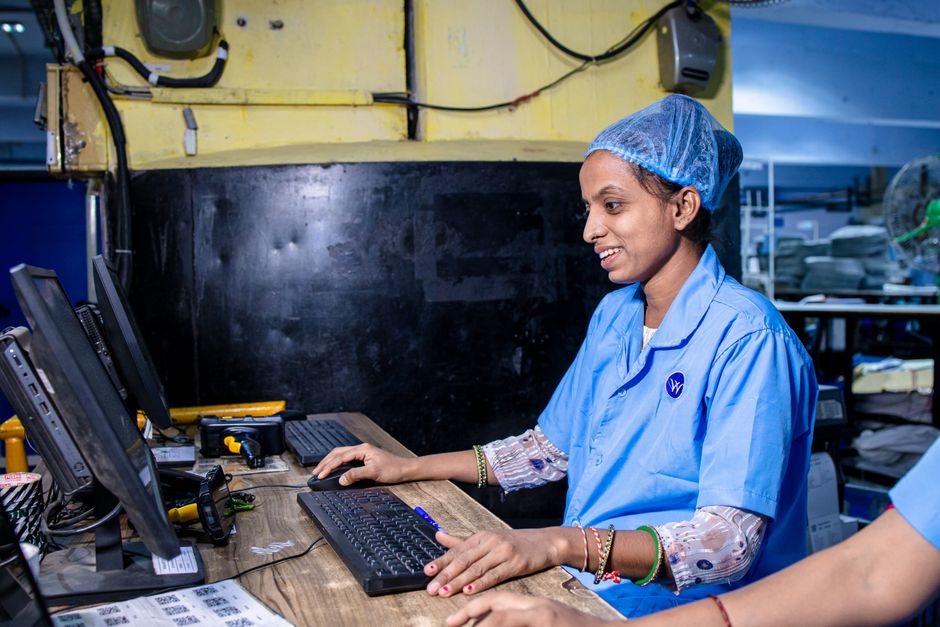
The Invisible Cost of Our Consumption Style
This isn’t just another isolated incident; it’s a stark reminder of the systemic pressures driving global manufacturing. Companies, large and small, are constantly squeezed to produce goods faster and cheaper. This relentless pursuit of efficiency often pushes ethical boundaries to the breaking point. The allure of lower production costs in developing nations, including parts of the **Indian** subcontinent, means that distant factories become black boxes. What happens inside them, far from the gaze of Western consumers and corporate auditors, can be horrifyingly grim.
For years, human rights organizations have highlighted the prevalence of child labor and exploitative practices in industries ranging from textiles to electronics. The global supply chain, for all its interconnectivity, remains remarkably opaque where it matters most: at the point of creation. When we choose a product for its price point alone, we inadvertently become complicit in a system that thrives on cutting corners, often at the expense of the most vulnerable. This isn’t just about electronics; it’s a commentary on our entire consumption style, where the actual human cost is rendered invisible by design.
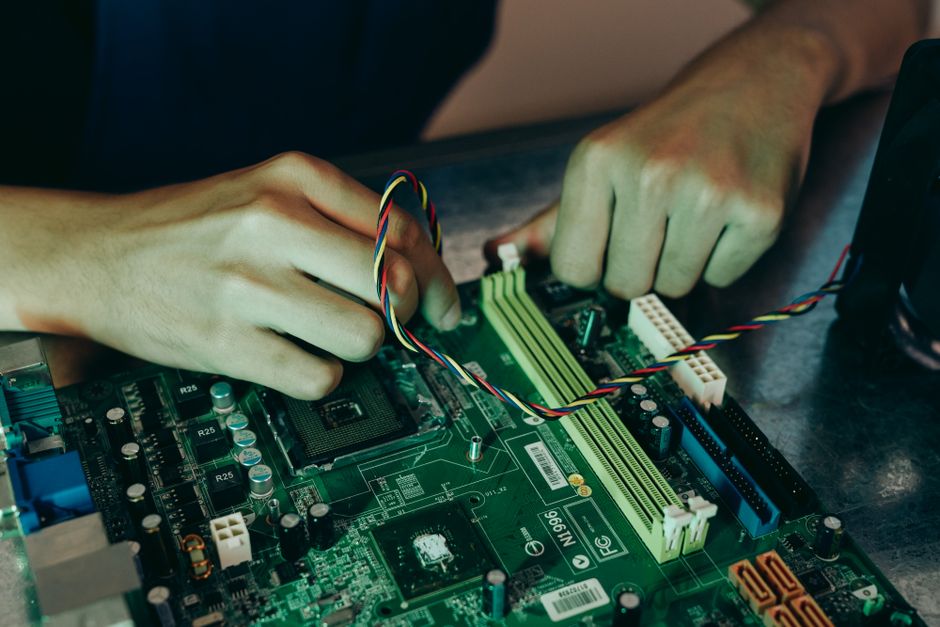
The Ethical Blind Spot in the Modern Marketplace
Let’s be blunt: when a company finds itself “investigating findings of child labor,” it means someone else found it first. It means their own oversight, their own due diligence, failed. This isn’t a minor slip-up; it’s a profound ethical lapse that speaks volumes about the priorities embedded deep within some corporate structures. Eureka, like many others, will undoubtedly issue statements about their “zero-tolerance policy” and commitment to “ethical sourcing.” But these words ring hollow when the evidence suggests otherwise.
Who truly loses here? First and foremost, the children. Their childhoods are stolen, their potential stifled, all to satisfy a global demand for affordable gadgets. Then, the reputation of companies like Eureka suffers, and rightly so. But there’s a larger loss: the erosion of trust in the entire marketplace. Consumers are increasingly aware that the shiny, new product in their hands might carry a hidden, immoral price tag. However, the sheer convenience and competitive pricing often override these ethical concerns. We want to believe our purchases are harmless, that our desire for value isn’t fueling exploitation. This creates a collective ethical blind spot, where the uncomfortable truth is pushed to the periphery of our consciousness. The broader **Indian** manufacturing sector, striving for global recognition, also takes a hit every time such a story breaks, undermining efforts to project an image of modernity and responsible production.
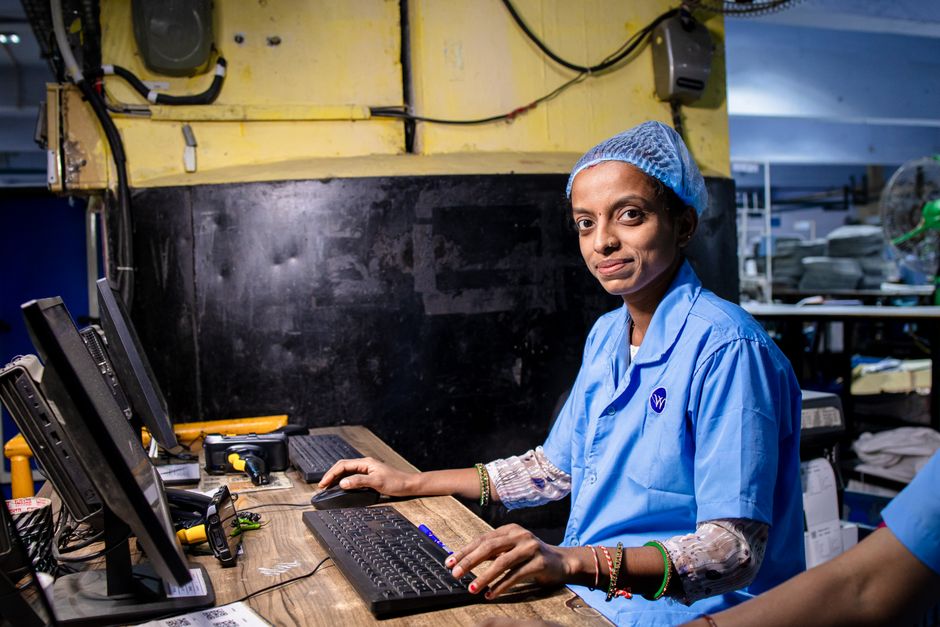
The real challenge isn’t just catching individual bad actors, but dismantling a global system that incentivizes such practices. Until consumers demand transparency, until governments enforce stricter regulations, and until corporations prioritize human dignity over profit margins, stories like this will continue to emerge. Our consumption choices are a powerful, albeit often unacknowledged, vote for the kind of world we want to live in. Are we voting for a world where childhoods are sacrificed for convenience, or one where every product tells a story of ethical creation? The answer, for now, remains disturbingly unclear.
Source: Google — South Asia