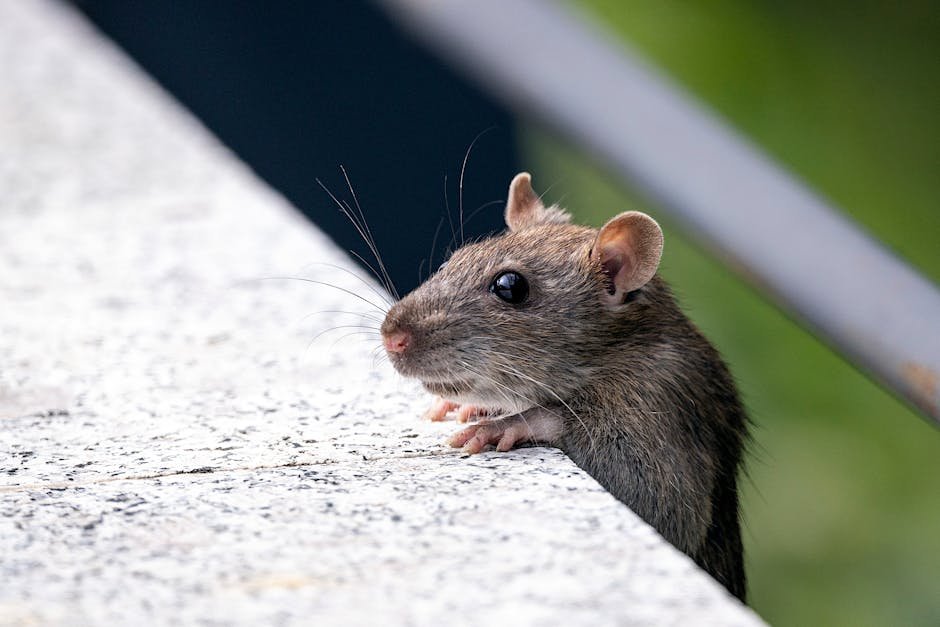
The hantavirus is not the next COVID-19, but in a world still reeling from a pandemic that fundamentally altered life, it’s impossible to ignore the fears it stirs. Just as the specter of COVID-19 haunted our every decision, so too does this lesser-known disease send chills down the spine of everyday Americans.
Why Hantavirus matters now
According to Yahoo News, infectious disease experts are weighing in on the hantavirus outbreak and its implications for public health. While concerns are mounting, it’s essential to unpack what this virus truly represents in the landscape of infectious diseases.
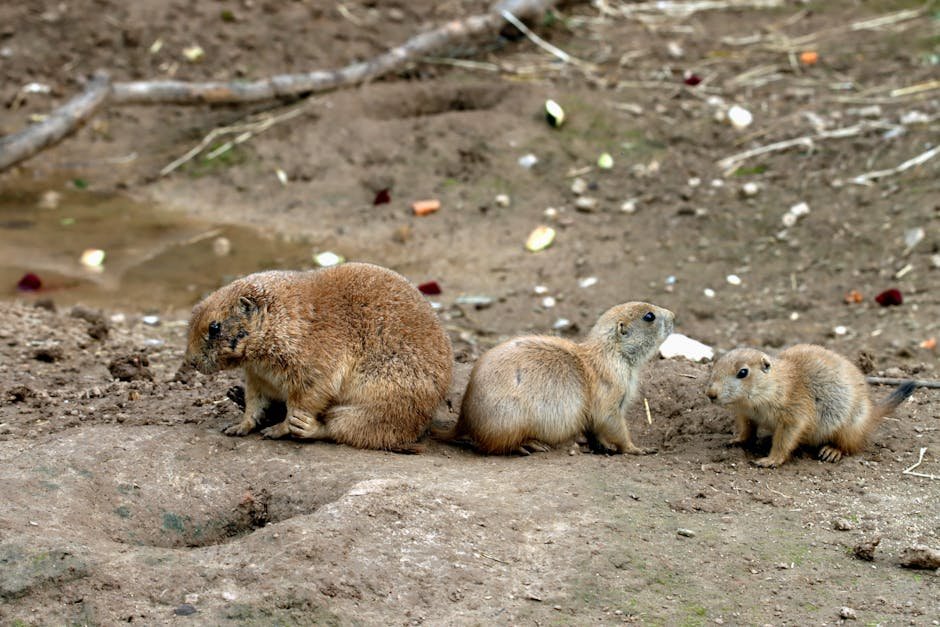
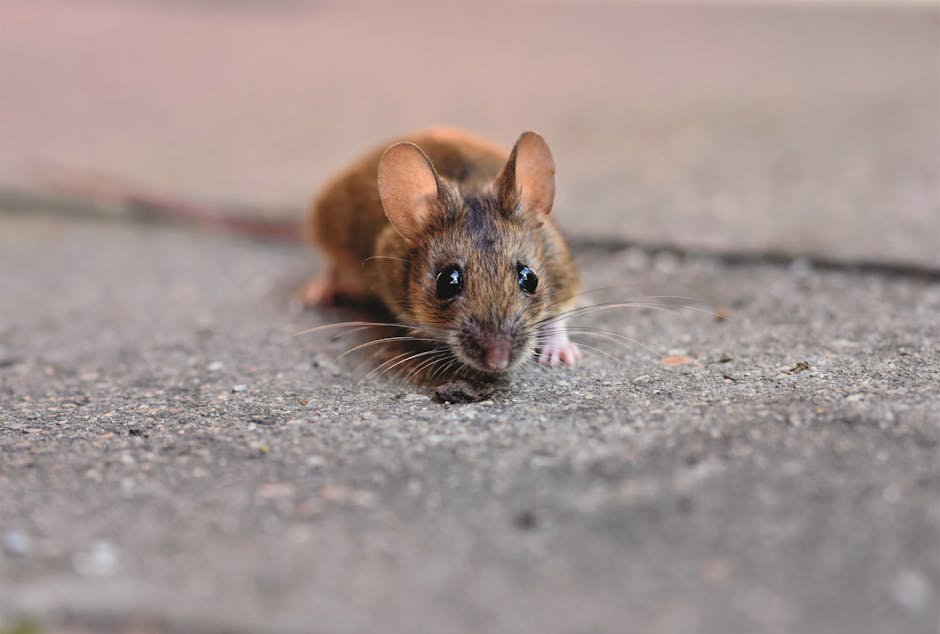
The hantavirus, transmitted primarily through rodent droppings, poses a significant but often overlooked health risk. Unlike COVID-19, which spread like wildfire through human contact, the hantavirus is more insidious. It’s less about social distancing and more about environmental sanitation—a reality that many in our increasingly sanitized society have forgotten. The experts agree: While the hantavirus isn’t an imminent threat to the population at large, it demands respect and attention, especially considering the lessons learned from the COVID-19 pandemic.
The stakes around Hantavirus
Why the focus on the hantavirus now? The COVID-19 pandemic forced a reckoning on how we view infectious diseases; each sneeze and cough now carries a weight of historical consequence. The recent uptick in hantavirus cases in some regions has sparked renewed concern among public health officials and the general populace. Coupled with a general anxiety about infectious diseases, it’s no wonder that experts are stepping up to address the elephant in the room.
But let’s not kid ourselves: the hantavirus is not the “next COVID-19,” and it may even be a more manageable threat when compared to the viral juggernaut we’ve just endured. The mainstream narrative often overhypes emerging diseases, driven by clicks and views rather than a nuanced understanding of their risk profiles. This fear-mongering is as damaging as it is unnecessary. Are we really prepared to launch into a panic mode every time a virus emerges?
In this case, the stakes are different. Hantavirus is linked to specific environmental conditions and human behaviors, suggesting that prevention lies in our hands. This is where denial about our relationship with nature becomes both dangerous and foolish. The reality is that as urban sprawl infringes on wildlife habitats, diseases that jump from animals to humans—zoonotic diseases—become more likely. The more we disrupt ecosystems, the higher the risk.
Let’s also consider the conspiracy theories swirling around diseases in our post-COVID world. The climate change narrative has been politicized, sending many running for their ideological bunkers rather than confronting the truth that our actions have consequences. Focusing exclusively on COVID-19 led to a complacent form of oversight where other viruses, like hantavirus, were pushed to the periphery. While we’re rightfully concerned about COVID-19 variants, the broader picture of infectious disease management should encompass all threats—known and unknown.
Public health is a complex web, one that requires more than just reactive measures to emerging trends. It calls for proactive community engagement, education, and respect for the ecosystems that sustain us. With the hantavirus, the message is clear: prevention is possible, but it requires a cultural shift toward understanding and respecting the environment.
So, what can we take away from this? As we continue to grapple with the impacts of a pandemic that reshaped our lives, let’s not forget that vigilance is key. Hantavirus isn’t waving a red flag of immediate danger, but it is a reminder that nature has its own balance, and when disturbed, the repercussions can be dire. As we navigate this new phase, will we embrace a more holistic view of public health that includes all emerging threats, or will we retreat into our echo chambers, waiting for the next COVID-19 to barrel through the door?
The choice is ours, but complacency is no longer an option. The next outbreak could be a stone’s throw away, and understanding the lessons of the past could very well be our best defense.
Source: Top:health