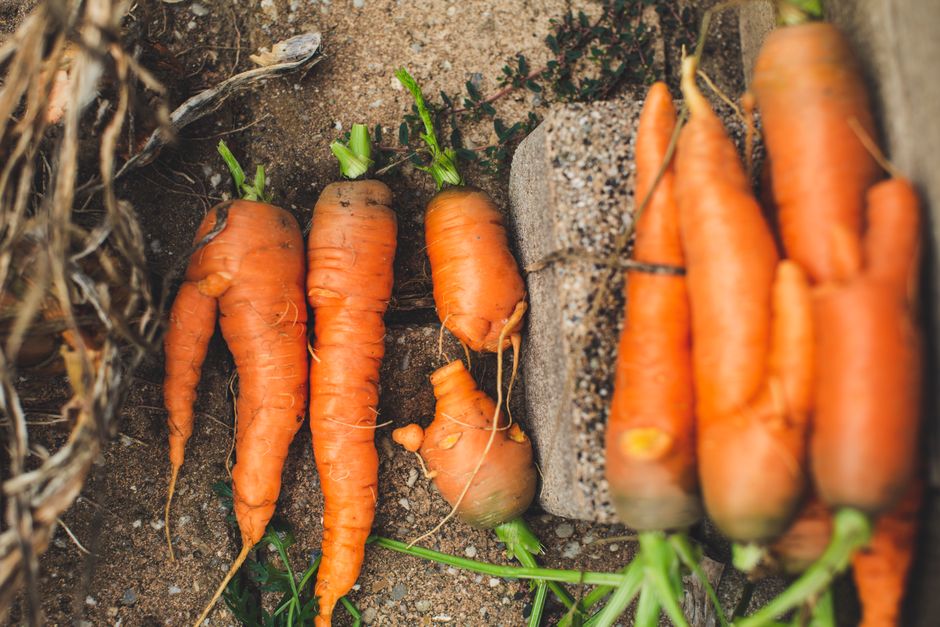
Forget the glossy, idealized images of produce aisle perfection; the unforgiving Sun is forcing a reckoning in our supermarkets, and frankly, it’s about time. For decades, we’ve been conditioned to expect blemish-free, uniformly shaped fruits and vegetables, often at a significant environmental cost. Now, reality is biting back, quite literally.
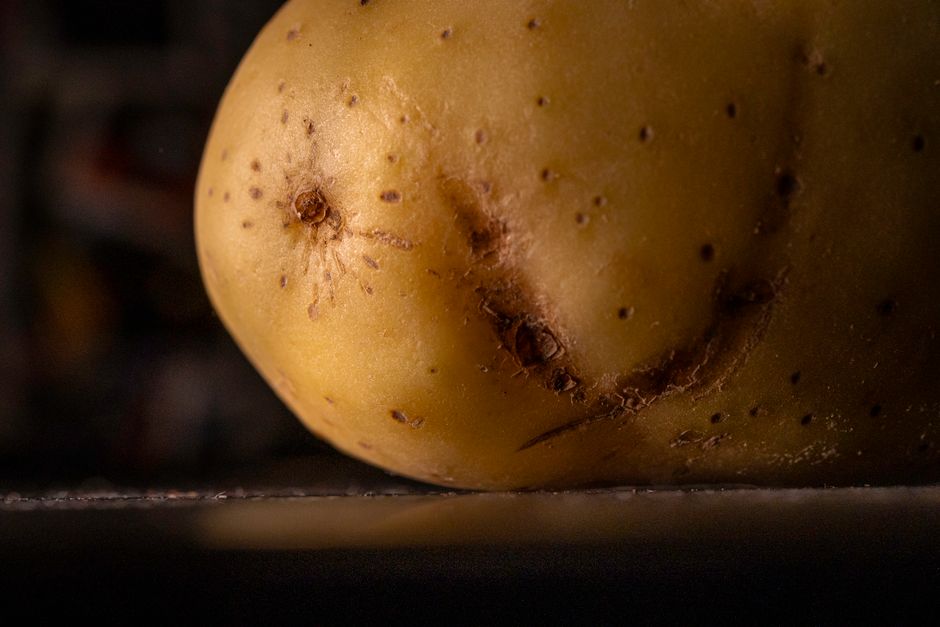
According to BBC Business, British shoppers are increasingly likely to encounter what are being dubbed “wonky vegetables” – think sun-tanned cauliflowers and knobbly potatoes – as a direct consequence of repeated heatwaves. This isn’t just a fleeting trend; it’s a profound shift in the visual standard of our food supply. Our plates are about to get a lot more interesting, and perhaps, a lot more honest.
The Sun’s New Face on the Farm
This isn’t merely about a few oddly shaped carrots. This phenomenon signals a deeper entanglement of climate change, agricultural practices, and consumer expectations. For generations, the produce industry, heavily influenced by major supermarkets, has dictated an almost impossible standard of aesthetic perfection. Anything falling short of this arbitrary ideal was often discarded, contributing to monumental levels of food waste.
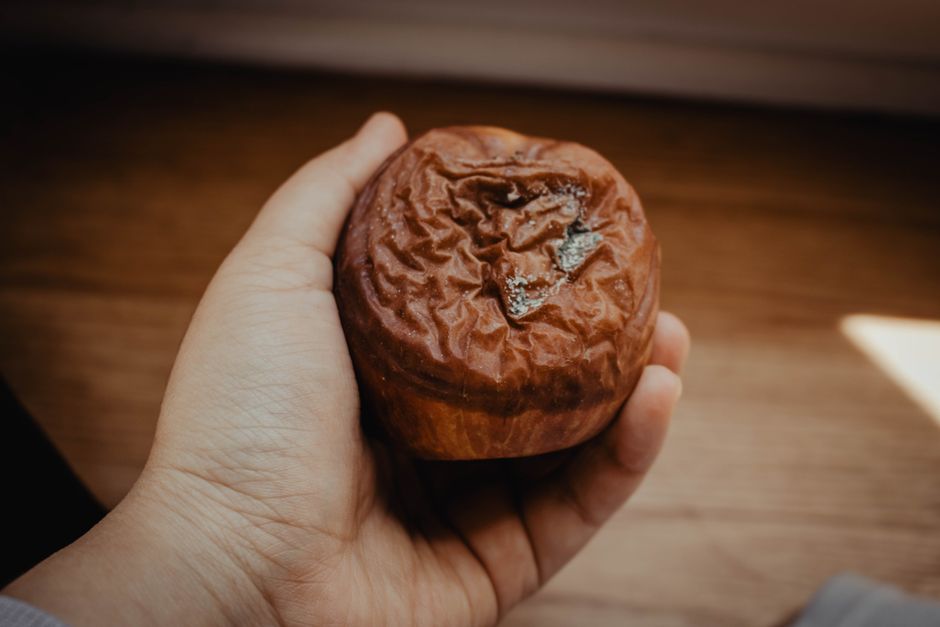
The relentless sun and unpredictable weather patterns, however, are now bypassing these artificial standards. Heatwaves stress plants, affecting their growth patterns and causing superficial imperfections like discoloration or irregular shapes. These are not signs of poor quality or compromised nutrition; they are simply nature’s way of adapting to challenging conditions. Farmers, caught between climate pressures and market demands, have long faced the economic strain of perfectly edible crops being rejected solely on appearance. Meanwhile, consumers have been shielded from the true diversity and natural variations of produce.
Beyond the Pretty Produce: A Reckoning for Retail
This forced acceptance of wonky vegetables isn’t a setback; it’s a long overdue step forward. Who wins? Farmers, for one, who will hopefully see less of their hard work literally thrown away. The environment also wins, as reduced food waste means less land, water, and energy squandered on producing food that never reaches a plate. The biggest winners, however, might just be us, the consumers, if we embrace this change.
The idea that a vegetable kissed by the sun and shaped by the elements is somehow “inferior” is a fallacy perpetuated by an unsustainable food system. We have been taught to prioritize form over substance, discarding perfectly nutritious food because it doesn’t fit a marketing brochure. This shift challenges our ingrained biases and forces us to confront the absurdity of our aesthetic demands. On the one hand, some consumers might initially balk at the change, preferring the uniform appearance they’re accustomed to. However, this discomfort is a small price to pay for a more resilient, less wasteful food chain. It opens the door for supermarkets to finally champion sustainability with genuine conviction, rather than just lip service, by actively marketing and celebrating these natural variations. This isn’t just about selling a few knobbly spuds; it’s about reshaping our entire relationship with what we eat, making it more robust in the face of escalating climate challenges.
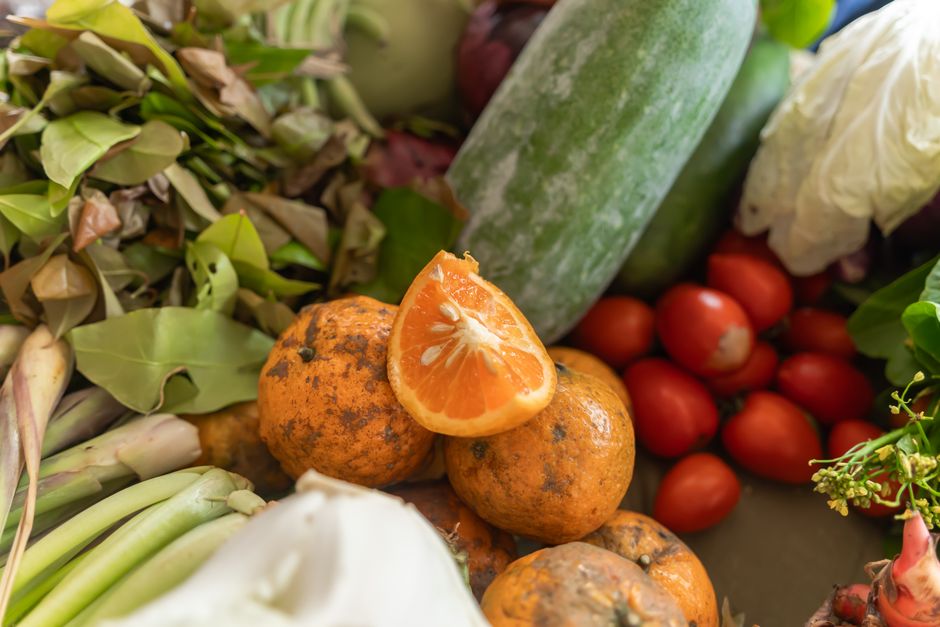
Ultimately, this isn’t a problem to be solved, but a reality to be embraced. The so-called “wonky vegetables” are a stark reminder that nature doesn’t adhere to human-made rules of beauty. They offer an opportunity to cut down on food waste, support struggling farmers, and develop a more realistic appreciation for our food. So, next time you spot a cauliflower with a bit of a tan, don’t sneer. Understand that you’re not just looking at a vegetable; you’re looking at the future of our food system, imperfect but resilient. And maybe, just maybe, that’s beautiful in its own right.
Source: BBC Business