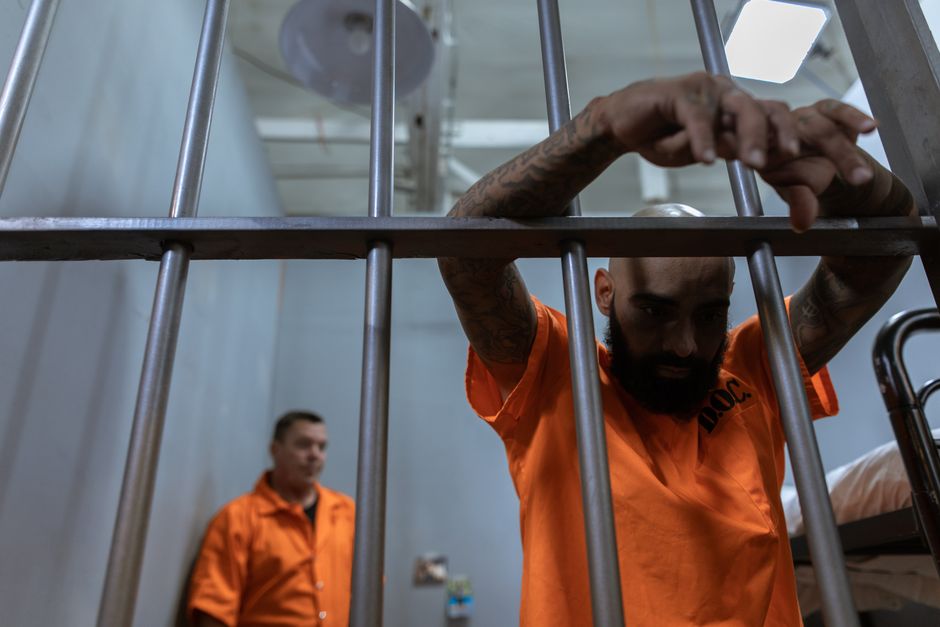
When you hear about a man who was repeatedly shackled, pinned down, and force-fed until the tube was **shoved** so hard it tore his nose, what do you picture? A rogue state? A torture chamber in some distant dictatorship? Or America, in 2025, operating under the banner of immigration enforcement? The chilling reality is that for Kurdish film-maker Gabar Choli, this was not some dystopian nightmare, but his lived experience within an Immigration and Customs Enforcement (ICE) facility.
According to a harrowing account published by The Guardian, Choli spent months enduring this brutal reality. He describes a systematic ordeal of physical and emotional torment inside the Port Isabel service processing center, leaving him with deep and visible scars. He was sluggish and thin, with sunken temples and bones visible under his skin, bracing for guards to charge into his solitary medical cell once again.
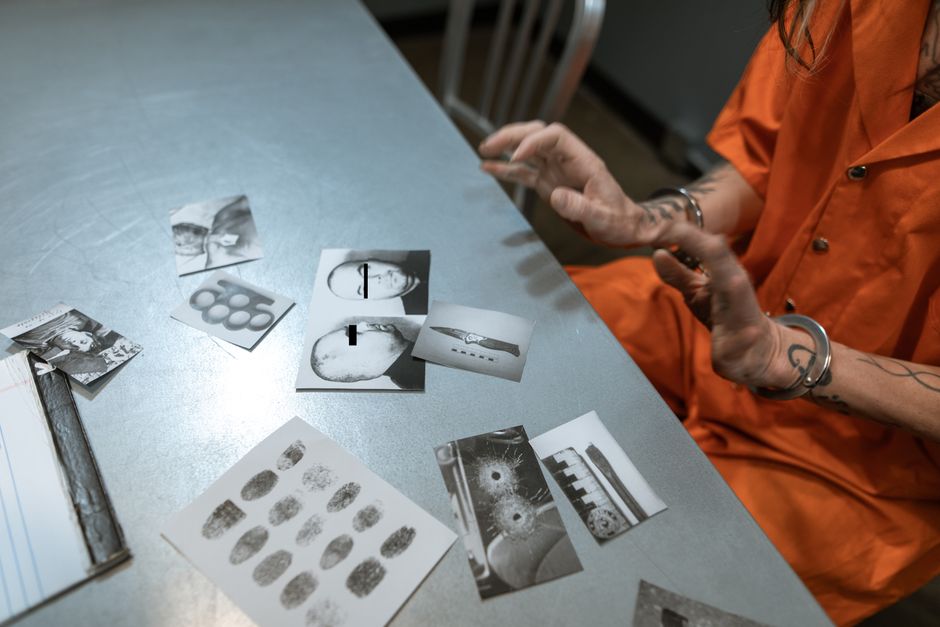
The Cruelty Shoved Into Plain Sight
This isn’t merely an isolated incident; it’s a stark reflection of a system that has increasingly prioritized deterrence and control over human dignity. ICE, a sprawling agency tasked with enforcing immigration laws, operates with broad powers that often seem unchecked by meaningful oversight. The very concept of force-feeding in detention, particularly for someone on hunger strike protesting their conditions or detention, raises immediate red flags about medical ethics and human rights. It’s a practice more commonly associated with military prisons and infamous human rights abuses, not a nation that purports to uphold democratic values.
This story emerges at a time when American political discourse, especially concerning immigration, has grown increasingly harsh. Over the weekend, political chatter continued to revolve around border security and enforcement, often framed in terms of unwavering toughness. Yet, this focus rarely delves into the actual human cost of such policies. The narrative consistently avoids the uncomfortable truths of what happens inside these facilities, or the state-sanctioned violence that can occur when individuals are stripped of their agency and left to the mercy of institutional power. The silence from many political leaders is, in itself, a form of complicity.

America’s Ugly Truth: When Rights Are Shoved Aside
The disturbing details of Choli’s treatment expose a profound moral crisis at the heart of America’s immigration system. Who truly benefits when such extreme measures are employed? Ostensibly, the system claims to maintain order or prevent self-harm, yet the methods themselves inflict grievous harm. The message is clear: resist, protest, or even simply exist as an unwanted migrant within these walls, and your body can become a battleground. This goes beyond mere enforcement; it is a clear assertion of absolute power over the individual.
The mainstream narrative often sanitizes the work of immigration enforcement, framing it as a necessary function for national security. However, when a government agency is accused of repeatedly shackling and force-feeding an individual, causing physical trauma, the conversation must shift. We must ask what kind of society we are building when such actions are deemed acceptable, or at least permissible. This isn’t about ensuring public safety; it’s about breaking a human spirit, systematically undermining a person’s will and autonomy. While some might argue that hunger strikes can pose a threat to an individual’s life and necessitate intervention, the manner of intervention, as described by Choli, crosses a line into abusive treatment. The pain endured when the tube was **shoved** forcefully tearing his nose, speaks volumes about the lack of care and humanity.
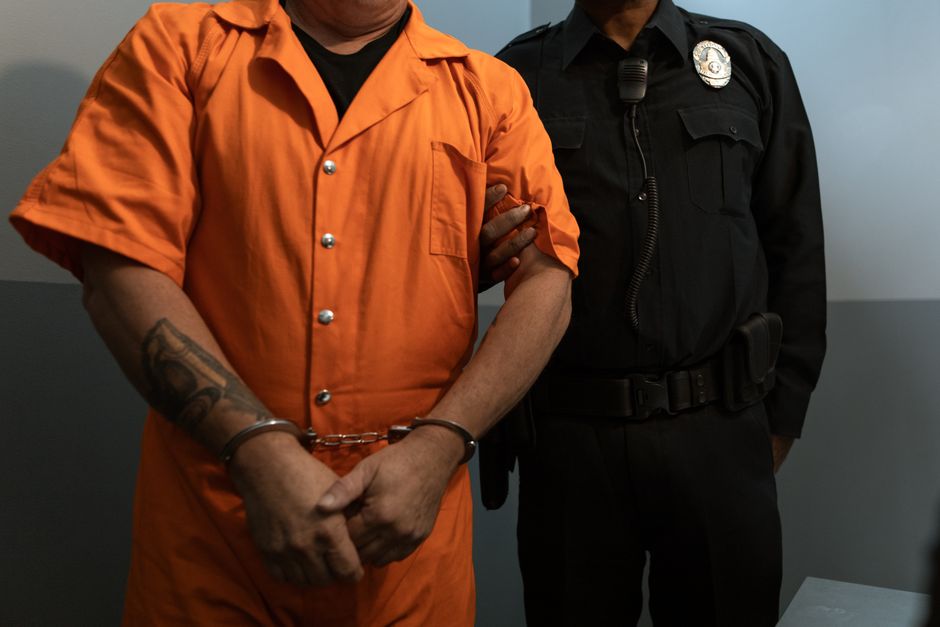
The real losers here are not just Gabar Choli and countless others like him, but also the very principles of justice and human dignity that America claims to represent. Every instance of such cruelty chips away at the nation’s moral standing on the global stage. It paints a picture of a nation willing to sacrifice its foundational values at the altar of an increasingly punitive immigration policy. The physical and emotional scars left on Choli are a testament to a system that, far too often, seems to operate without sufficient accountability or compassion. It’s a harsh reminder that when power is left unchecked, humanity is frequently the first casualty. The legacy of such incidents will forever be **shoved** into the historical record, a stain on the conscience of a nation.
How long will we allow the machinery of enforcement to operate in the shadows, inflicting such profound trauma, before we demand a system that honors, rather than destroys, basic human rights? The question hangs heavy, echoing the unanswered pleas of those silenced behind detention center walls.
Source: Guardian World