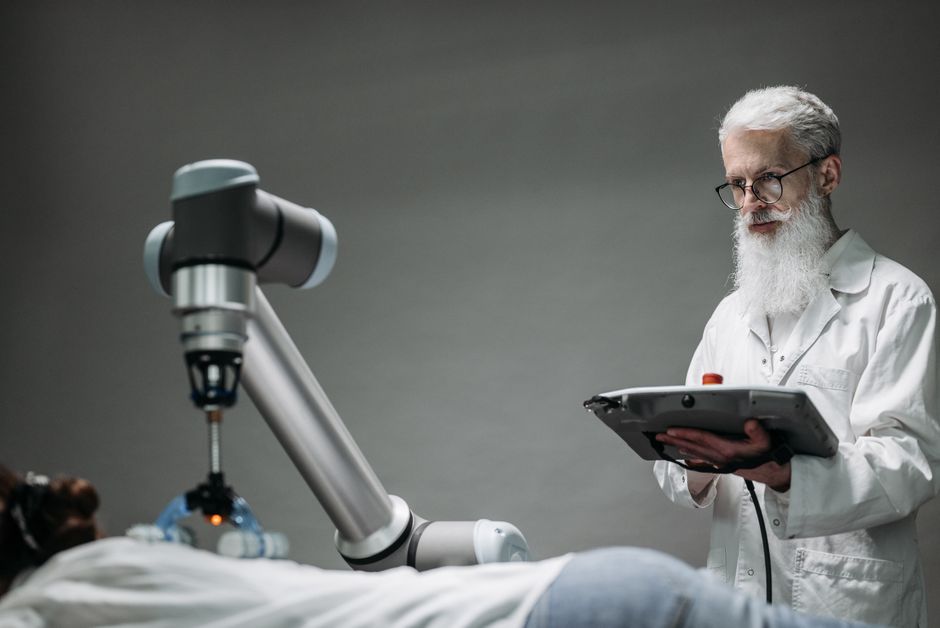
The scalpel is no longer confined to human hands in the same room. Are we ready for a future where the most delicate procedures are executed by algorithms and remote-controlled steel, fundamentally altering our `Tech Life`? This isn’t science fiction anymore; it’s the operating theatre of tomorrow, here today.
According to BBC Technology, surgeons have successfully controlled two human-like robots from a distance, performing operations in a separate theatre. This wasn’t a simulation; it was a real-world demonstration of surgical telepresence.
The Shifting Landscape of Tech Life
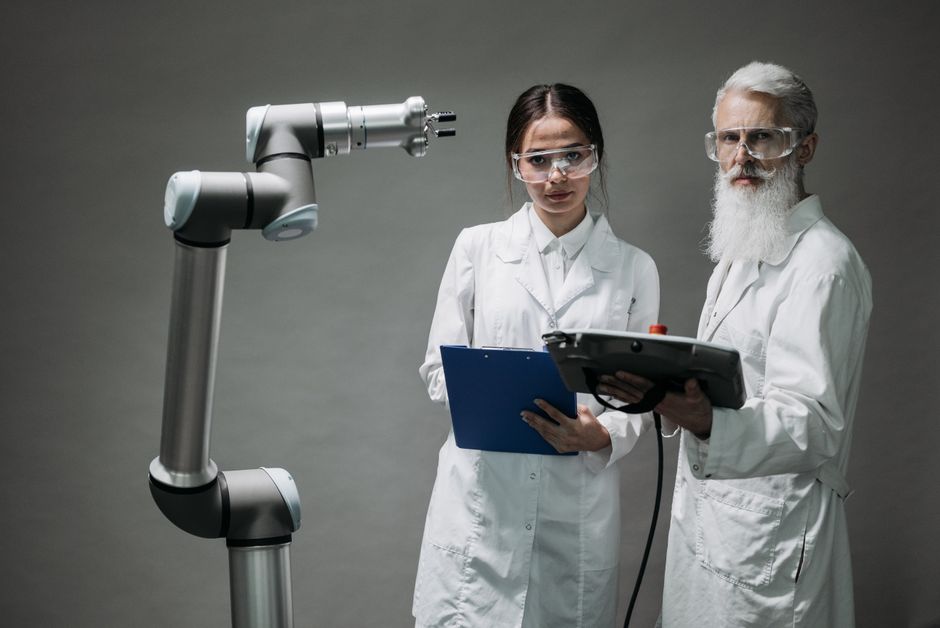
This development isn’t just another incremental step in medical technology; it’s a giant leap that demands immediate attention, especially as we look to the week ahead and contemplate the accelerating pace of innovation. For years, robotic assistance has been common in surgery, but the surgeon remained physically present, guiding the machine within the same sterile environment. Now, the tether has been cut. This remote control capability could revolutionize access to specialized care, bringing world-class surgeons to patients in rural areas or conflict zones without requiring physical travel. Think about the implications for disaster relief, where expert medical intervention could be deployed remotely, or for space exploration, where human-like robots could perform procedures miles away from Earth.
However, this also means the geographic barriers that once defined medical practice are crumbling, presenting a host of new challenges. Who regulates these remote operations? Which jurisdiction applies if the surgeon is in London and the robot is operating in Sydney? The players are clear: the tech companies pushing these boundaries, the pioneering surgeons willing to embrace them, and, ultimately, the patients who will either benefit immensely or become unintended test subjects in an evolving paradigm. The investment pouring into this sector is immense, driven by the promise of efficiency, broader reach, and potentially reduced costs in the long run, even if the initial outlay for such advanced equipment is staggering.
The Scalpel’s New Master
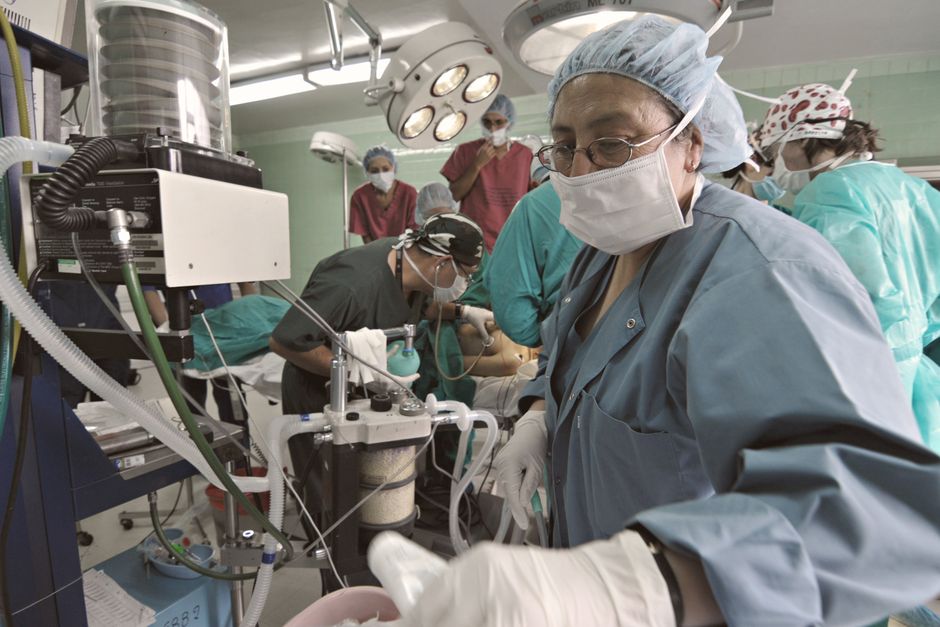
The mainstream narrative will likely celebrate the sheer ingenuity and the potential for saving lives in underserved communities. And they’d be right to a degree. However, what’s being missed is the profound ethical tightrope we’re now walking. When a surgeon is physically present, there’s an inherent, visceral connection, a shared space of trust and vulnerability. Does that connection diminish when the surgeon is a face on a screen, and their hands are controlling robotic arms? Furthermore, what about the potential for error? A momentary network lag, a software glitch, or even a cyberattack could have catastrophic consequences in an operating room. The stakes are literally life and death.
This technology also throws a harsh spotlight on the future of surgical training and employment. Will junior surgeons get less hands-on experience if senior surgeons can operate remotely on more cases? Will this lead to an even greater concentration of surgical expertise in a few major centers, rather than distributing it more widely? On the other hand, it could democratize access to learning, allowing students to observe operations from anywhere. Yet, the question of liability remains murky. If something goes wrong, is it the surgeon’s fault, the robot’s manufacturer, or the network provider? The legal and insurance industries are nowhere near prepared for the complexities of this new `Tech Life` frontier. We risk prioritizing technological spectacle over robust regulatory frameworks and comprehensive ethical discussions. We’re rushing towards a future where human presence in critical moments is optional, and that’s a dangerous path if not tread carefully.
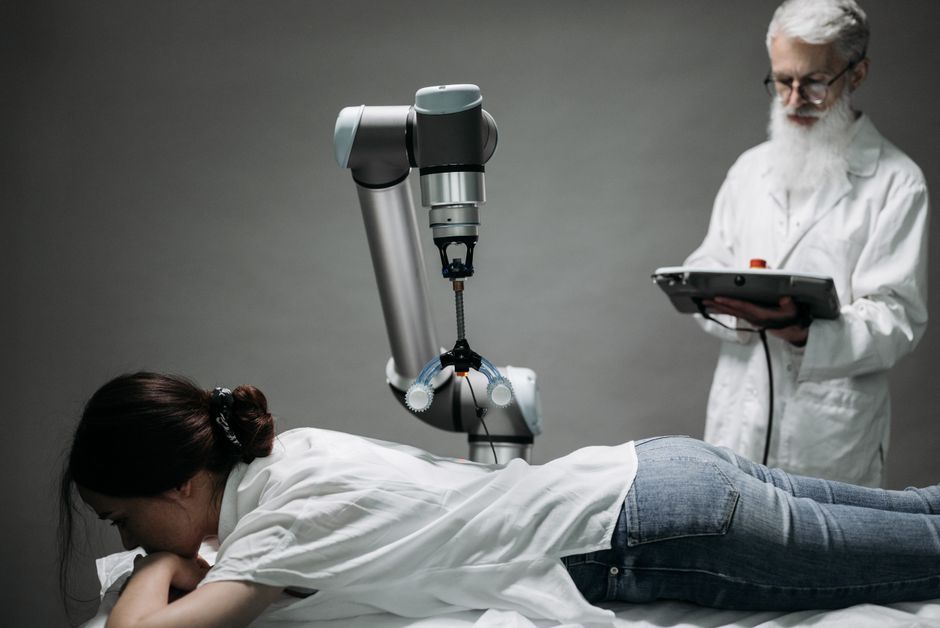
This isn’t just about making surgery more efficient; it’s about fundamentally reshaping the human element in medicine. We’re not just observing the future of healthcare, we’re building it, one remote incision at a time. The real question isn’t if we *can* do it, but if we *should* and, crucially, how we ensure this new `Tech Life` serves humanity, rather than just impressive quarterly reports.
Source: BBC Technology