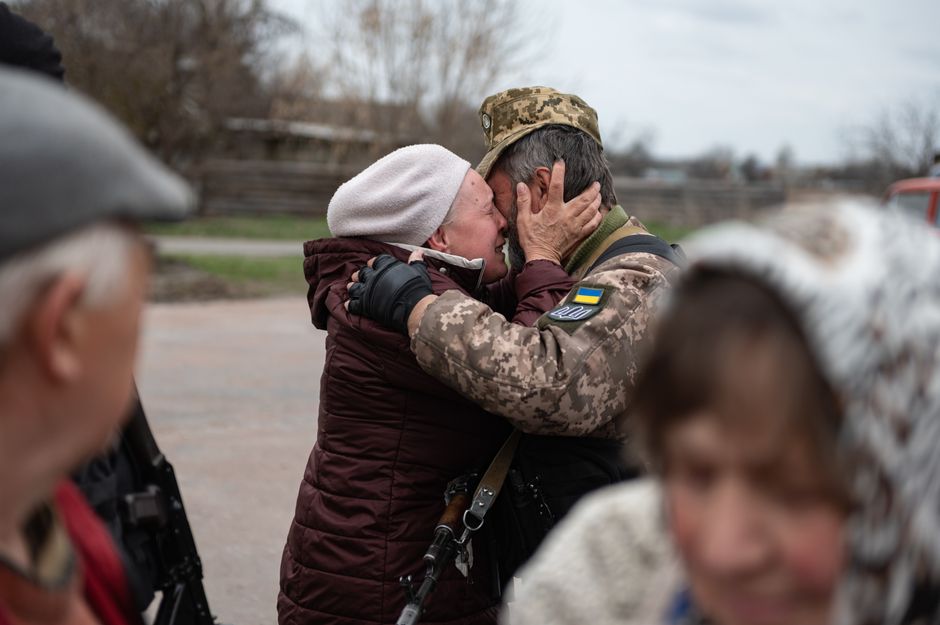
How many times must the cycle repeat before we admit that the world has stopped looking for an exit? Another tragic day unfolds in Ukraine, marked by the grim predictability of **Russian** aggression and counter-attacks, a stark reminder of a conflict that has calcified into a brutal status quo. The headlines pile up, each one a testament to lives lost and futures shattered, yet the global conversation often feels detached, clinical even.
According to Al Jazeera, recent Russian strikes in Ukraine have tragically claimed the lives of six individuals. Meanwhile, Moscow reports intercepting hundreds of drones, painting a picture of relentless, reciprocal violence that defines this prolonged conflict. It’s a bitter truth that has become all too familiar to observers of this devastating war.
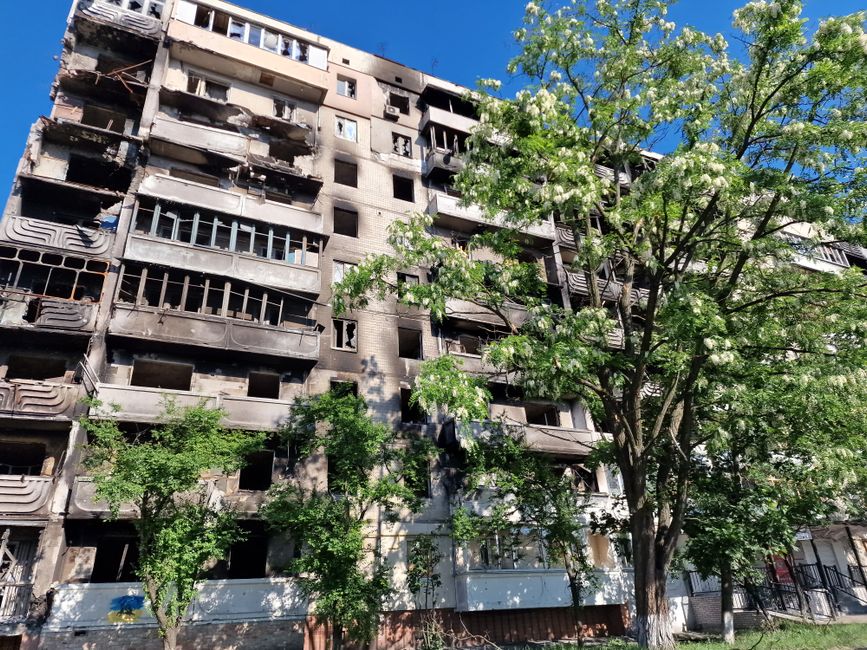
The Persistent Echoes of Russian Conflict
This latest exchange is not an isolated incident; it’s a chilling continuation of a full-scale invasion that began years ago, a conflict whose roots run deep into geopolitical rivalries and historical grievances. Each drone intercepted, each strike launched, represents another chapter in a protracted struggle for territorial integrity and national sovereignty. The players remain the same: Ukraine, fighting for its very existence, and Russia, intent on asserting its dominance and reshaping the regional order. This continuous, brutal exchange underscores a wider security failure on the European continent.
The current escalation in drone warfare, both offensively and defensively, highlights the evolving nature of modern combat, where asymmetric threats can emerge from anywhere. These unmanned aerial vehicles have become a defining feature of the war, a relatively cheap yet effective tool for surveillance, reconnaissance, and targeted strikes. Their widespread deployment by both sides signifies a shift in strategy, moving beyond traditional ground maneuvers and artillery duels to a more diffuse, technologically driven form of engagement. This relentless back-and-forth defines a new, horrifying normal.
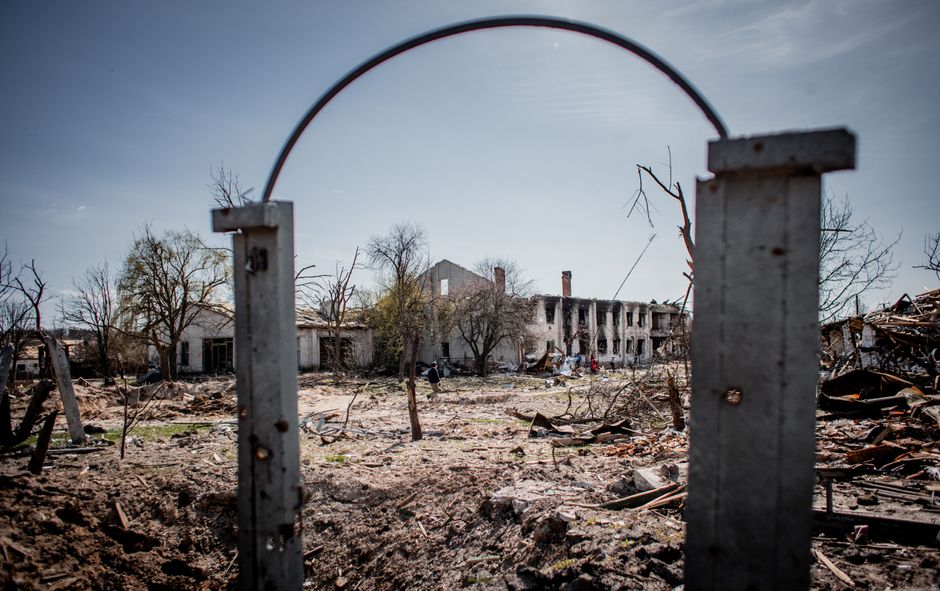
The Grim Calculus of Reciprocity
Let’s be blunt: in this scenario, nobody truly wins. Ukraine mourns its dead, its infrastructure damaged, its people living under constant threat. Russia, while intercepting drones, still faces persistent attacks on its own territory, a clear demonstration that its initial objectives remain far from fully realized. The real losers are the civilians caught in the crossfire, their lives reduced to statistics in a never-ending news cycle. The mainstream narrative often fixates on the tactical gains or losses, missing the profound, cumulative human cost.
This tit-for-tat escalation, where every strike invites a counter-strike, traps both nations in a dangerous feedback loop. It fuels resentment, hardens positions, and pushes any prospect of meaningful diplomatic resolution further out of reach. Some might argue that these retaliatory actions are necessary for national defense, a grim obligation in wartime. Yet, such justifications often overlook the deeper question: what is the ultimate endgame of this unending retribution? Where does this cycle of violence lead, if not to more suffering and deeper entrenchment? The strategic paralysis is palpable, even as the tactical operations continue unabated.
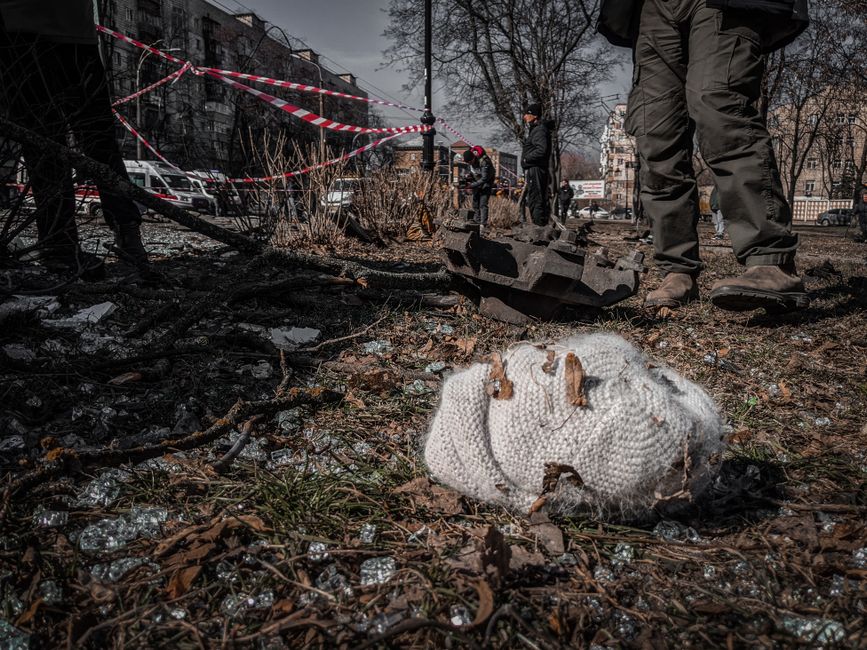
The international community, for its part, seems caught between supplying aid and hoping for a breakthrough that never materializes. The world watches, offers condemnation, and imposes sanctions, but the fundamental dynamic of the conflict remains stubbornly unchanged. The focus on intercepts and casualties, while vital for factual reporting, risks obscuring the broader diplomatic failures that allow such events to persist day after day. This isn’t just a war; it’s a wound that refuses to heal, festering with each new incident.
Ultimately, this ongoing struggle between Ukraine and the **Russian** Federation is not just a regional conflict. It’s a global barometer for the effectiveness of international law, the limits of deterrence, and the tragic consequences when diplomacy utterly fails. How many more lives must be tallied, how many more drones intercepted, before the world truly confronts the terrifying cost of this stalemate? We need to stop counting the bodies and start demanding a real path to peace, however elusive it may seem.
Source: Google — Middle East incidents