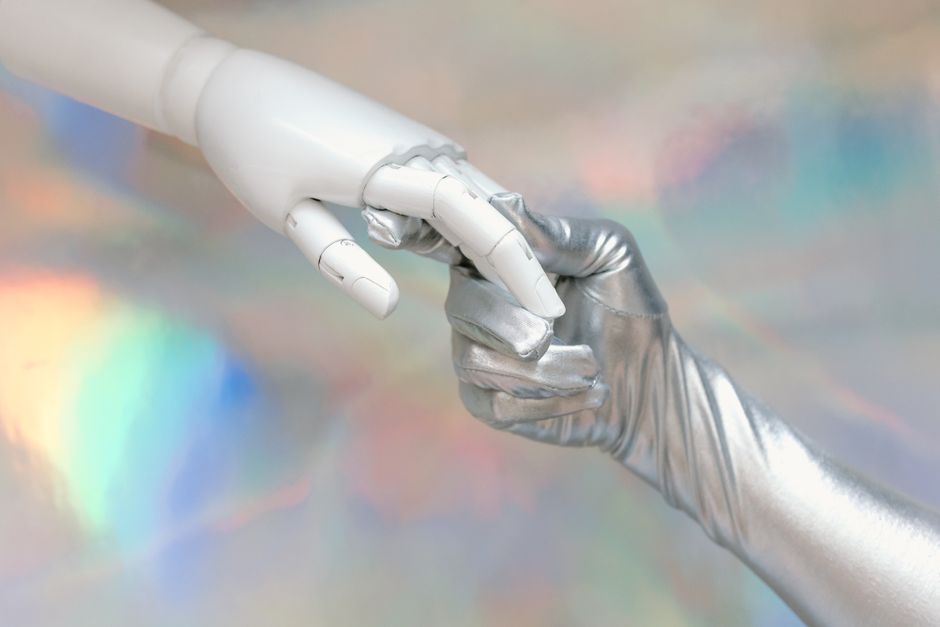
The digital wasteland of endlessly scrolling content just got a little less artificial. Or did it? Snapchat is making a bold move against purely machine-made videos in its Spotlight feature, a clear signal against the rising tide of artificial intelligence. This isn’t just a tweak; it’s a statement about what platforms value, or at least what they *say* they value.
According to TechCrunch, Snapchat has adjusted its recommendation systems. This change means that only videos genuinely created by real people will now be eligible for Spotlight recommendations, effectively sidelining content generated entirely by AI. It’s a direct response to a growing problem, pushing back against the easy proliferation of synthetic media.
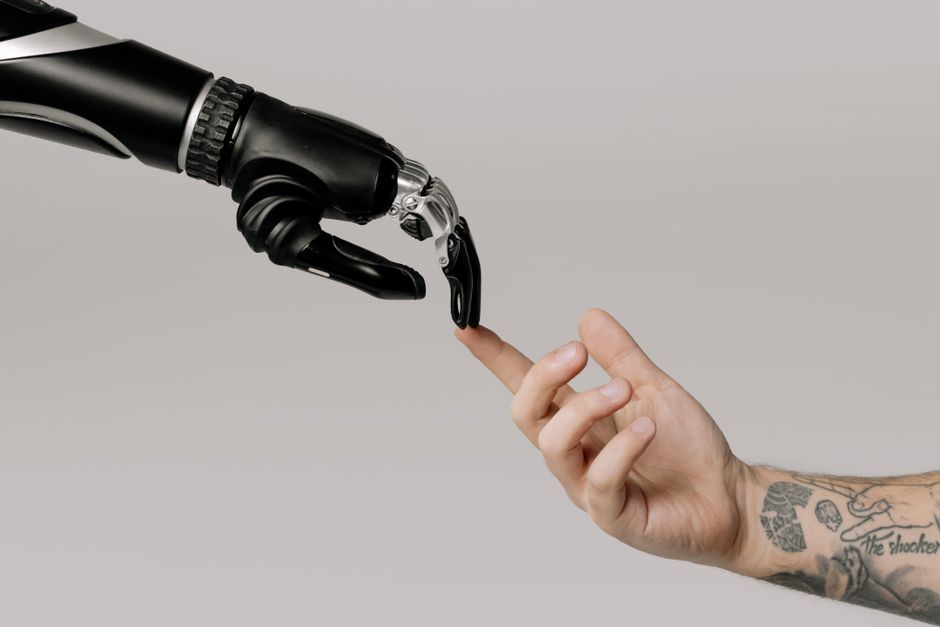
The Battle for Authenticity Amidst Artificial Intelligence
Why does this matter now? Because the internet, particularly short-form video platforms, is drowning in a tsunami of generated content. From deepfakes to AI-written scripts paired with synthetic voices and visuals, the line between human creativity and machine mimicry has blurred to the point of invisibility. Snapchat, like many platforms, relies on user engagement, and the deluge of pure artificial intelligence creations threatens to dilute that experience. Users are tired of scrolling past generic, uncanny valley videos designed solely to capture fleeting attention without any real human spark.
This isn’t an isolated incident; it’s part of a larger reckoning across the tech industry. Platforms are grappling with the ethical and practical implications of AI, especially when it comes to intellectual property, misinformation, and the sheer volume of low-effort content. Snapchat’s decision highlights the pressure to maintain some semblance of authenticity in an era where anyone with a prompt can churn out endless streams of video. For them, the integrity of their Spotlight feature — which is meant to showcase compelling, entertaining content — is on the line.
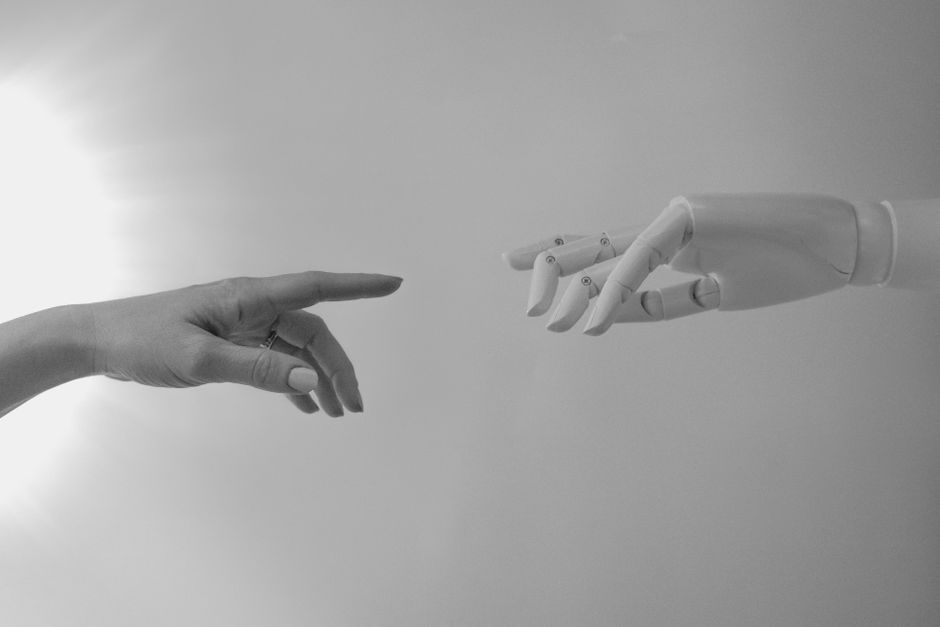
Who Really Wins When AI Content is Shut Down?
Snapchat’s move is a commendable step, but let’s not pretend it’s purely altruistic. This is about maintaining user engagement and, by extension, ad revenue. When content becomes indistinguishable, or worse, consistently bland, users flee. By de-prioritizing fully AI-generated content, Snapchat is betting on the enduring appeal of human creativity, even if that creativity is messy, imperfect, and sometimes less “optimized” than its algorithmic counterpart. It’s a tacit acknowledgment that the human touch still holds value in a hyper-digital world.
However, the devil is always in the details. How precisely does Snapchat define “fully AI-generated”? What about content that uses AI tools as part of a human creative process – for editing, enhancing, or generating specific elements? The distinction is crucial and incredibly difficult to police at scale. This could easily become a whack-a-mole game, where sophisticated AI developers find new ways to skirt the rules, or worse, where genuinely creative human-AI collaborations are unfairly penalized. Furthermore, while it’s good for human creators who want their work to stand out, it also limits a potentially powerful new avenue for expression that AI offers.
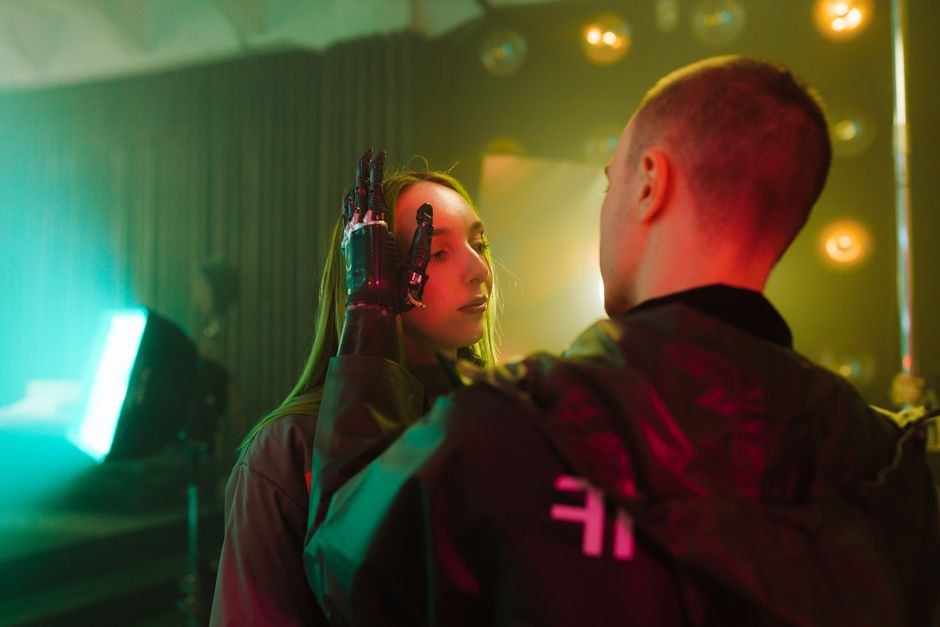
On the one hand, this decision offers a lifeline to genuine creators struggling to cut through the noise. It tells them their efforts, their unique perspectives, and their raw human input are still valued. It might encourage a renaissance of authentic, original content, pushing back against the homogenized aesthetic that AI often produces. On the other hand, it also sets a precedent that could stifle innovation, creating an arbitrary barrier to entry for those exploring the cutting edge of content creation with artificial intelligence. The real win here, if there is one, belongs to the users who might finally get a break from the soulless, algorithmically optimized sludge.
Ultimately, this is a platform attempting to reclaim its soul, or at least its perceived authenticity. Snapchat is drawing a line in the sand, however faint, in the ever-expanding digital desert. Whether this is a brave stand for human creativity or a desperate attempt to fend off an inevitable future dominated by machines remains to be seen. But one thing is clear: the fight for genuine human touch in a world increasingly saturated with artificial intelligence has just begun.
Source: TechCrunch