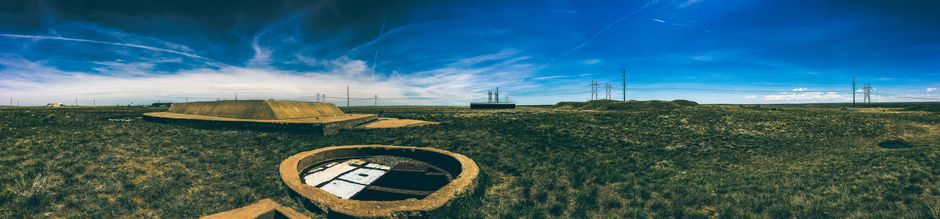
The crater in Poland, a stark reminder of the war’s relentless creep, demands a clear and accountable response from leaders, and the PM’s statement on the probable Russian origin of the Missile offers a cautiously encouraging start.
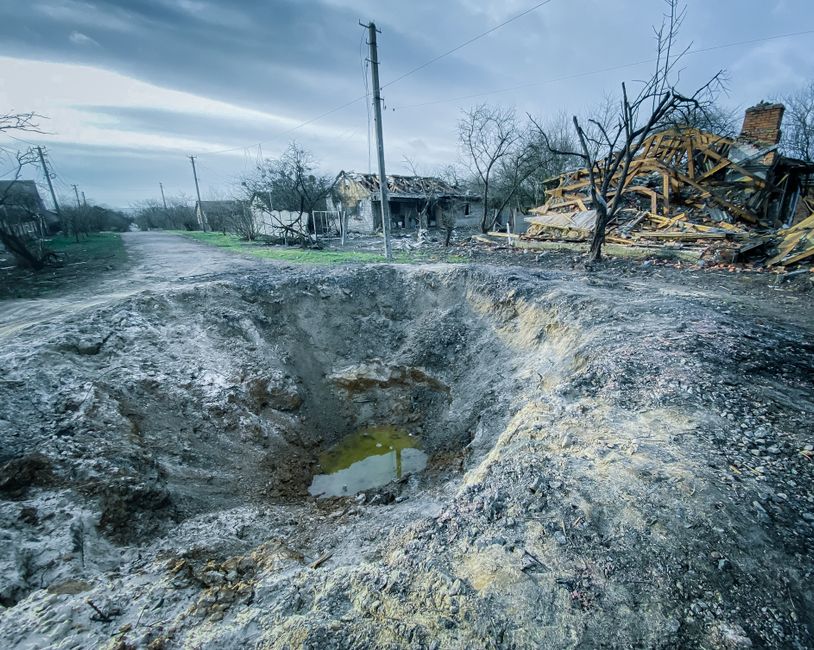
Prime Minister Mateusz Morawiecki, speaking as the dust settled, or rather, deepened, from a 10-meter wide crater near Tarnawa Kolonia, offered Poland’s initial assessment. This incident, occurring a mere 100km from the Ukrainian border during a concentrated Russian assault on Lviv, placed Warsaw in a precarious diplomatic and security position. The stakes were, and remain, extraordinarily high for NATO, for European stability, and for the ongoing conflict in Ukraine.
What landed
Prime Minister Morawiecki’s immediate public attribution, reported by the BBC, that the missile was “probably Russian” struck a commendable balance between transparency and prudence. In a situation ripe for speculation and escalation, this measured phrasing provided a crucial piece of information without pre-empting a full, forensic investigation. It was a statement designed to inform, not inflame, offering an initial, albeit provisional, answer to a question that could have plunged the region into deeper uncertainty.
The acknowledgement of a “probably Russian” origin, especially given the concurrent bombardment of Lviv, offered a logical, if chilling, narrative link. It aligned the incident with the known pattern of Russian aggression and missile strikes, reinforcing the understanding that the war in Ukraine poses an ever-present, tangible threat to its neighbours. For a nation like Poland, which has been a steadfast supporter of Ukraine and a vocal critic of Russian actions, this direct, if qualified, identification was an important step in framing the incident within the broader geopolitical context. It gave credibility to the ongoing concern about spillover effects, transforming abstract fears into a concrete, if deeply unsettling, reality.
Furthermore, the PM’s willingness to address the issue swiftly, rather than allowing a vacuum for rumour and hostile narratives to fester, demonstrated a commitment to managing public perception both domestically and internationally. In an age of instant information and misinformation, a prompt, if cautious, official statement can be a bulwark against panic and undue provocation. This initial transparency, while carefully worded, provided a baseline for future discussions and investigations, creating a foundation of trust that will be vital as more details emerge.
What doesn’t add up
While the Prime Minister’s cautious attribution was understandable, even commendable, in its immediate impact, the very use of “probably” also opens a window for skepticism. In the urgent theatre of international security, “probably” can sometimes be a holding pattern, a diplomatic hedge that leaves just enough room for alternative interpretations or for the narrative to shift should inconvenient facts emerge. What specific intelligence, one might wryly ask, moves an assessment from “possibly” to “probably” without quite reaching “definitively”? The difference, in a crisis, is everything.
The absence of a more definitive statement, even with the understanding that investigations are ongoing, leaves a strategic ambiguity. Is it a genuine lack of conclusive evidence, or is it a calculated move to avoid triggering a more forceful, perhaps Article 5, response prematurely? The latter, while pragmatic, hints at a deeper tension between the desire for clarity and the imperative to manage escalation. One could argue that in such volatile moments, the precise language chosen is not just about facts, but about managing the *perception* of facts, especially when a nation’s response could have continent-wide repercussions.
Moreover, the statement, as reported, focuses almost exclusively on the origin of the missile, leaving other critical questions lingering in the air. Was this an intentional act, a deliberate probing of NATO defences, or a tragic, if inevitable, miscalculation in the fog of war? While the “probably Russian” attribution points a finger, it doesn’t quite explain the intent, or lack thereof. The omission of a discussion about the *implications* for Poland’s defensive posture, beyond the immediate investigation, is also noteworthy. Such gaps, while perhaps unavoidable in an initial statement, invite further scrutiny into the broader strategic thinking behind the pronouncement.
Come Monday morning, the “probably Russian” missile will be more than just a crater. It will be a stark reminder to NATO, to the EU, and to every citizen along the eastern flank that the war in Ukraine is not contained, and that the language of international security will be parsed with a gravity that leaves little room for error. The world will be watching to see how a “probability” translates into policy.
Source: OnTheRecord