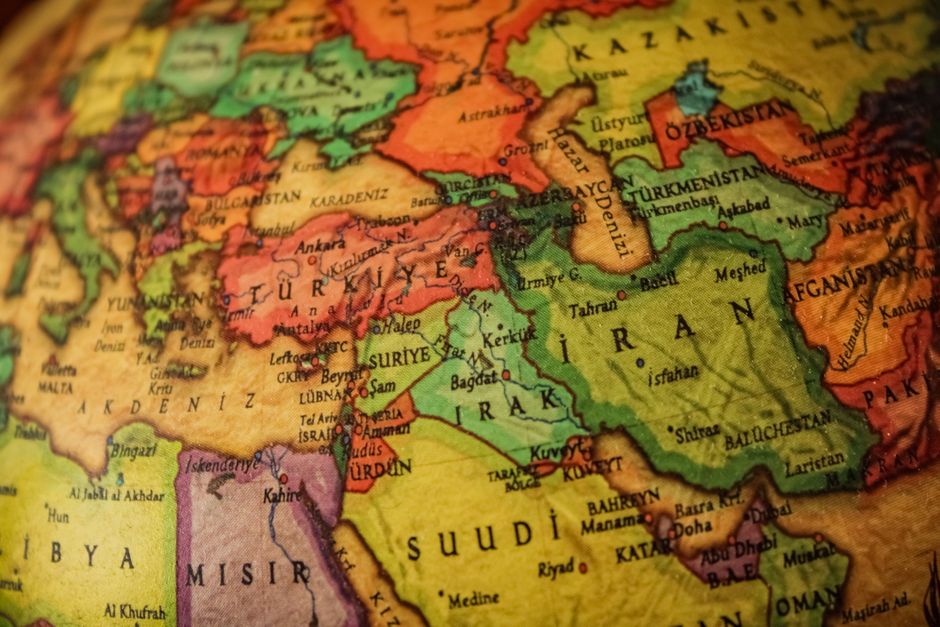
Another tremor just ran through the Middle East, a stark reminder that the region’s shadow wars are anything but shadow-like when body bags start piling up. The tragic killing of four Iranian military advisers in Iraq isn’t just a statistic; it’s a flashing red light on the dashboard of regional instability, demanding a closer look at the dangerous game being played out with lives and sovereignty. This latest escalation directly challenges the delicate balance of power, with significant implications for **Iran** and its regional strategy.
According to a report by Middle East Eye, four Iranian Revolutionary Guard Corps (IRGC) military advisers were killed in Iraq. These deaths occurred during alleged US-Saudi strikes, marking a direct and undeniable loss for Tehran.
The Shifting Sands for Iran’s Influence
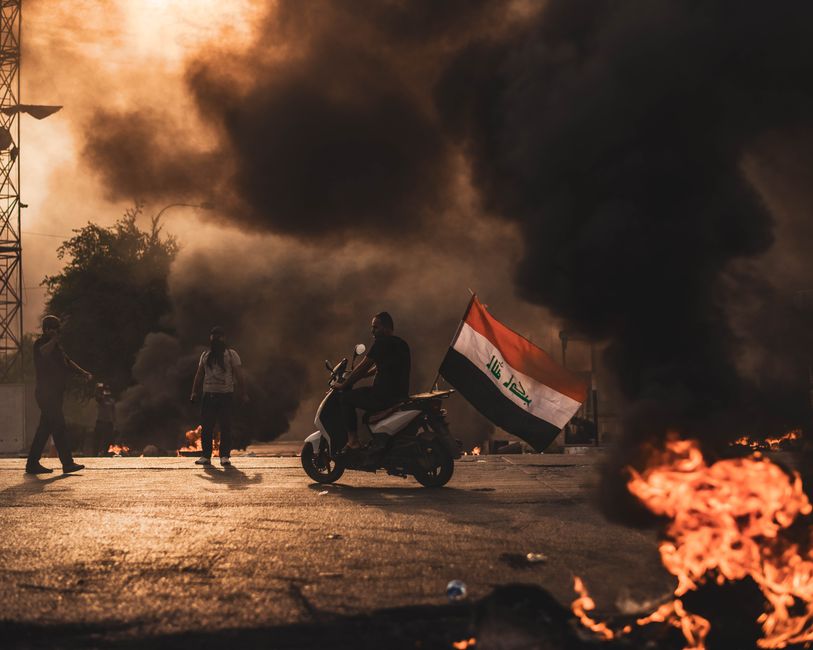
This incident isn’t an isolated event; it’s a potent symptom of a deeper, long-running regional struggle. Iraq, tragically, remains a primary battleground for competing interests. For years, **Iran** has meticulously built a formidable network of influence across Iraq, leveraging historical ties, religious connections, and its Quds Force to support various Shiite militias and political factions. This strategy allows Tehran to project power, secure its western flank, and challenge the presence of rivals like the United States and Saudi Arabia.
Meanwhile, the United States maintains a military presence in Iraq, ostensibly to counter remnants of ISIS and support the Iraqi government. However, its operations are often perceived by Iran as an attempt to curtail its influence. Saudi Arabia, on the other hand, views Iran’s expansion as an existential threat, consistently seeking to push back against what it sees as Tehran’s destabilizing regional agenda. Therefore, any alleged US-Saudi cooperation in targeting Iranian personnel signals a deliberate and coordinated effort to raise the stakes.
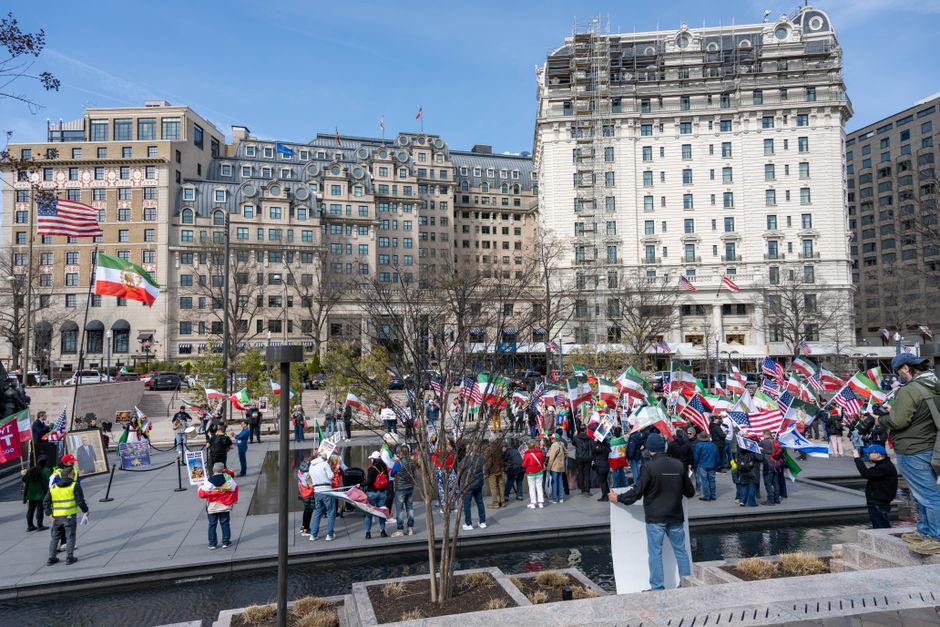
The presence of IRGC advisors in Iraq is not news, but their direct targeting and confirmed deaths represent a significant escalation. It underscores the precarious position of these foreign actors on Iraqi soil, constantly caught between the crosshairs of global and regional rivalries. This incident forces a stark re-evaluation of the rules of engagement, if indeed any clear rules even exist in this opaque conflict.
Who Pays the Price?
Let’s be blunt: this isn’t just about four individuals. This strike, if confirmed as a deliberate targeting of Iranian personnel by US-Saudi forces, sends an undeniable message. It tells **Iran** that its regional reach comes with a tangible cost, and that its proxies and advisors are not immune to direct action. For Washington and Riyadh, it’s a demonstration of resolve, an attempt to reassert dominance and perhaps deter further Iranian entrenchment in Iraq and beyond. They seek to disrupt Iran’s strategic depth, hoping to force a reconsideration of its regional calculus.
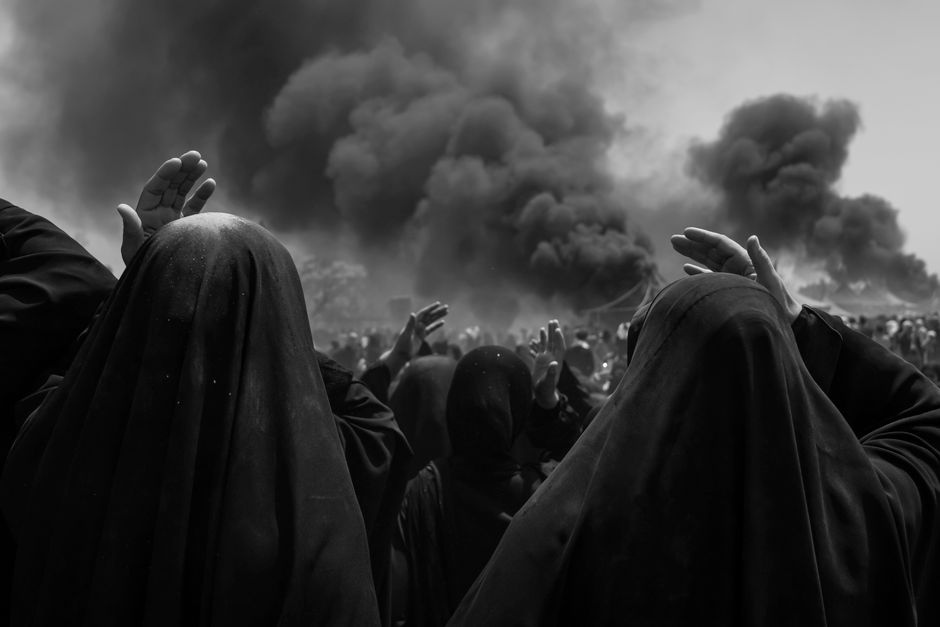
However, the mainstream narrative often glosses over the predictable blowback. Escalation begets escalation; that much is certain in the Middle East. While some might hail this as a successful operation to curb Iranian power, it simultaneously ignites the fuse for potential retaliatory strikes. Tehran will almost certainly feel compelled to respond, whether through its proxies, cyberattacks, or other asymmetric means. This creates a dangerous cycle where each side tries to gain an upper hand, often at the expense of regional stability and, most crucially, Iraqi sovereignty.
The biggest losers in this relentless game are, once again, the Iraqi people. Their nation becomes the arena for battles not truly their own, their nascent stability constantly threatened by external forces. Each foreign strike, each proxy clash, undermines Iraq’s ability to chart its own course, trapping it in a perpetual state of vulnerability. While the strategic calculations are made in Washington, Riyadh, and Tehran, the true human and political costs are borne on Iraqi streets.
This incident, whether celebrated or condemned, pushes the region closer to open confrontation. It highlights the increasingly blurred lines between conventional warfare and shadow operations, making miscalculation an ever-present danger. Will this act truly deter Iran, or will it merely fuel the fires of revenge, dragging the Middle East further into a quagmire of endless conflict? The answer, tragically, likely involves more bloodshed before any real lessons are learned.
Source: Middle East Eye