
Another World Cup has come and gone, but the real game continues long after the final whistle: the endless, futile war against piracy. This time, **thousands** of illegal streaming sites were taken down, yet the problem persists, raising uncomfortable questions about who truly wins when the digital hammer falls.
According to BBC Technology, over 1,000 illicit streaming platforms were shut down in the US during the recent tournament. A similar number faced blockages in Colombia, indicating a globally coordinated effort to protect broadcast rights.

The Endless Pursuit of Thousands of Pixels
This isn’t a new fight; it’s an annual spectacle where content owners and broadcasters spend fortunes attempting to safeguard their intellectual property. The stakes are astronomically high, with live sports rights often running into the billions. For companies like FIFA and its broadcast partners, every illegal stream represents a lost viewer, a missed advertising impression, and a direct hit to their bottom line. They argue that these takedowns are essential to maintain the ecosystem that funds professional sports and high-quality productions.
However, the motivations behind illegal streaming are complex and multifaceted. Many users simply want access to content that is either geographically restricted, prohibitively expensive, or locked behind multiple subscription services. In an increasingly fragmented media landscape, consumers are fatigued by the need to subscribe to five different platforms just to watch their favorite sports or shows. This creates a fertile ground for piracy, where convenience often trumps legality in the minds of the average fan. The technology used to stream these events is readily available, and the infrastructure to host them is cheap and decentralized, making the task of eradication a monumental challenge.

The Futility of the Digital Whack-a-Mole
Let’s be clear: shutting down **thousands** of sites is a significant operational feat. It requires sophisticated tracking, legal muscle, and international cooperation. Yet, it’s also a digital game of whack-a-mole. For every site taken down, two more often pop up, sometimes within hours, often with slightly altered URLs or hosted in jurisdictions less inclined to cooperate. This isn’t a victory; it’s merely a temporary disruption. The underlying demand for free or cheaper content remains, and the technical means to supply it are constantly evolving, often leveraging the very same cloud infrastructure and peer-to-peer protocols that legitimate services employ.
The mainstream narrative frames this as a clear-cut battle of good versus evil, rights holders versus pirates. But what if the “evil” side is just a symptom of a deeper systemic issue? Broadcasters and rights holders need to ask themselves why so many people are willing to break the law to watch a game. Is it purely greed, or is it a sign that their business models are out of sync with consumer expectations in the digital age? The current enforcement strategy, while necessary from a legal standpoint, feels like using a sieve to catch water. It addresses the symptom, not the cause.
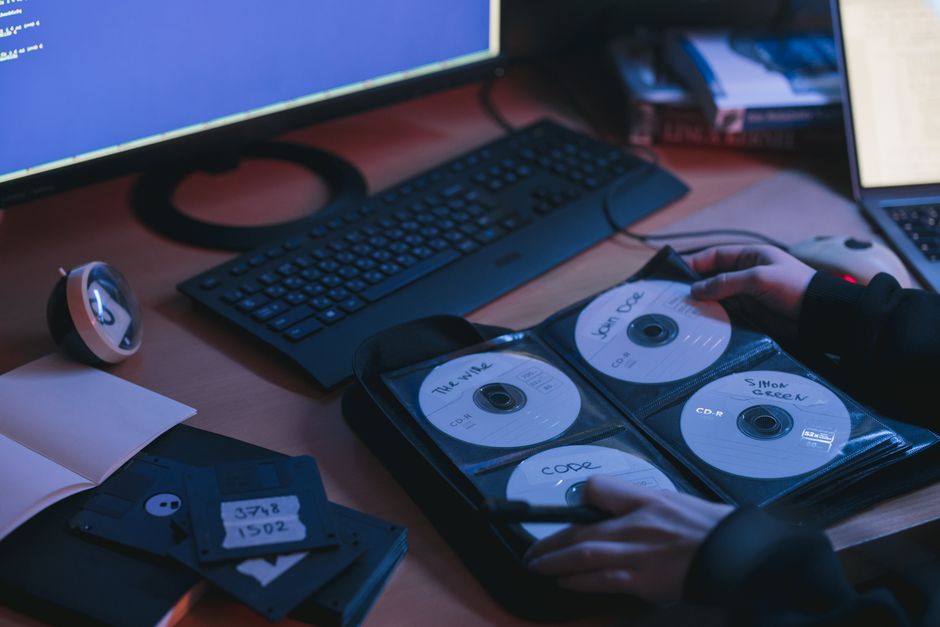
Furthermore, the focus on takedowns often overlooks the technological arms race that defines this conflict. Artificial intelligence and machine learning are increasingly used by both sides. Content owners deploy AI to identify infringing streams in real-time, scanning for watermarks and anomalies. However, pirates also leverage AI-powered tools to automate site creation, obfuscate their origins, and quickly adapt to new blocking methods. It’s a perpetual, high-stakes chess match where innovation is constantly being weaponized. The true cost of this digital policing is rarely discussed, nor is its long-term efficacy.
The real question isn’t how many sites we can shut down, but rather, how we can create a system where legitimate access is so compelling and affordable that piracy becomes an inconvenient, unattractive alternative. Until then, these announcements of **thousands** of takedowns will ring hollow, echoing a battle that’s being fought on the wrong front. When will the industry realize that the best way to fight pirates isn’t just with legal threats, but with a better product and a fairer price?
Source: BBC Technology