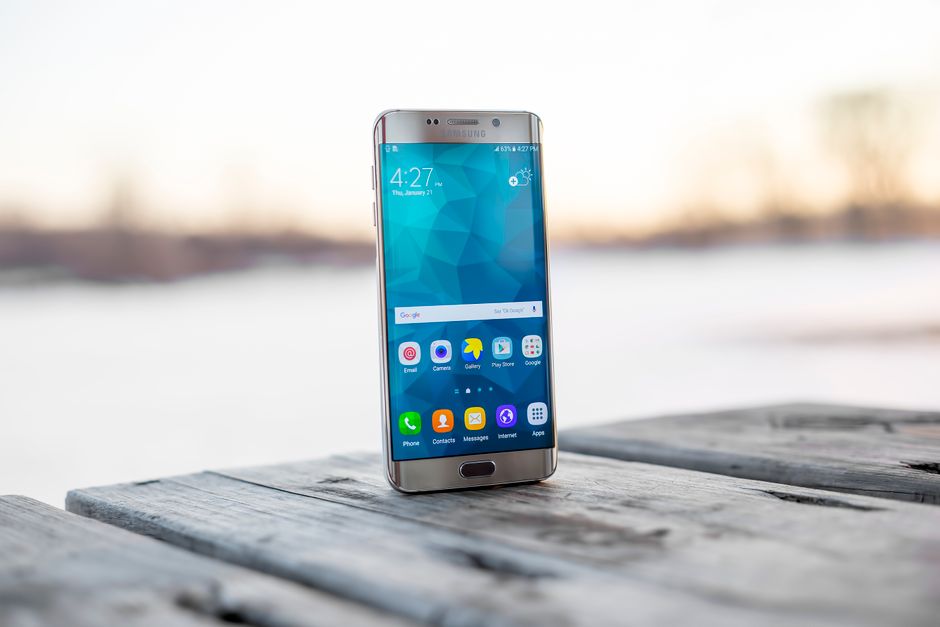
The latest **Samsung Unveils** event wasn’t just another product launch; it was a carefully orchestrated performance, designed to signal a renewed push into a market segment Samsung largely created, and now struggles to define.
Samsung rolled out its latest foldable arsenal this week: the Galaxy Z Fold8 Ultra, the standard Z Fold8, and the Z Flip8. This trifecta, according to press statements accompanying the launch, aims to be their “most complete foldable lineup ever made,” brimming with advanced AI features and a suite of “new designs to broaden market appeal.” It’s an aggressive move in a premium segment that has, so far, remained stubbornly niche.

What landed
The introduction of the Galaxy Z Fold8 Ultra is, at face value, an encouraging sign of Samsung’s commitment to innovation and its leadership in the foldable space. By adding an “Ultra” variant, Samsung telegraphs its intent to push the boundaries of what’s possible, even if it mostly translates to an even more premium price tag. It’s a statement piece, a clear signal to rivals and early adopters that the company isn’t holding back on R&D for its flagship foldable.
Furthermore, the emphasis on “advanced AI features” across the new lineup is a savvy move, tapping directly into the tech zeitgeist. While specific functionalities remain to be truly tested in the wild, incorporating AI into the core experience of these devices helps position them as cutting-edge, more than just a hinged screen. It’s a necessary evolution, transforming a novelty into a more intelligent companion, and Samsung deserves credit for ensuring its foldables aren’t left behind in the AI race. The promise of “new designs” to address market appeal also suggests they’re listening to feedback, aiming for greater usability and perhaps, dare we say, durability.

What doesn’t add up
Yet, beneath the glossy pronouncements, a few questions linger about the broader strategy. Declaring this the “most complete foldable lineup ever” feels less like a triumph and more like a potential admission of market confusion. Is a more complete lineup necessarily what consumers crave, or is it a symptom of a company trying to hit every conceivable price point and feature set in a category that still hasn’t found its mainstream footing? Complexity, at times, can be an unwelcome burden, especially for a technology still perceived as experimental by many.
The claim that these “new designs” will “broaden market appeal” is particularly ripe for skepticism. Samsung has iterated on foldable designs for years, yet the fundamental barriers to widespread adoption — namely cost, perceived fragility, and the still-niche software experience — remain largely intact. Unless these new designs come with a truly disruptive price strategy or a bulletproof guarantee of longevity, it sounds more like aspirational marketing than a concrete plan for mass-market penetration. Will a slightly different hinge or a marginally thinner profile really convince the average smartphone buyer to shell out a premium for a foldable, or are they just appealing to the same affluent early adopters with deeper pockets? It also begs the question of whether the “Ultra” model might cannibalize the standard Fold8, creating internal competition rather than expanding the tent.
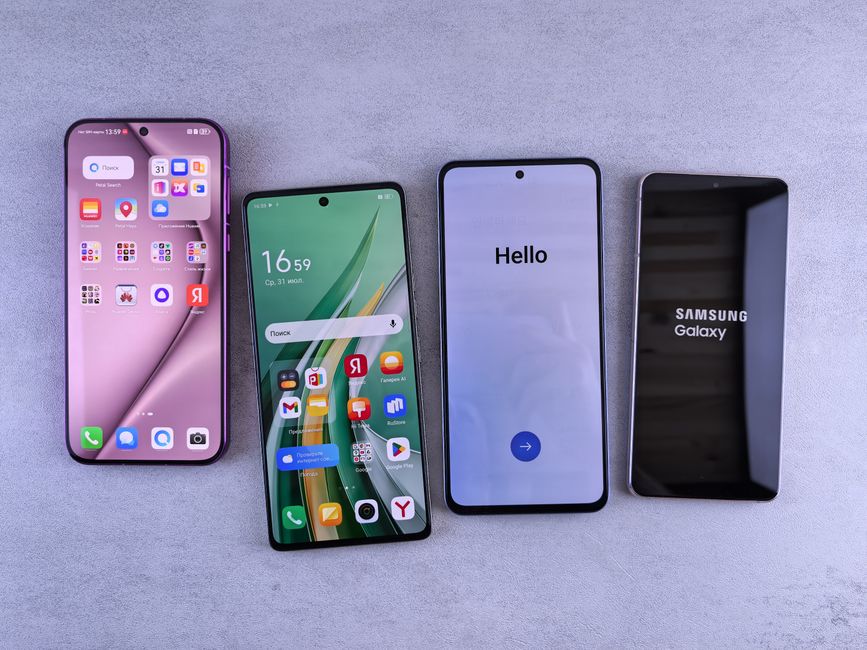
What changes Monday morning? For Samsung, it means doubling down on a bet that has yet to pay off handsomely. For consumers, it’s a shiny new array of expensive choices in a category still waiting for its iPhone moment. And for competitors, it’s a clear challenge: Samsung isn’t backing down, even if its path to foldable dominance still feels like a winding, expensive road.
Source: OnTheRecord