When The Helicopter Company (THC) made its latest announcement from the bustling floor of Farnborough International Airshow 2026, the aviation world, and perhaps a few more curious observers, rightly raised an eyebrow. This wasn’t merely another order for rotors; it was a grand declaration of intent, a bold, multi-billion-dollar pivot that seeks to redefine **The Helicopter** Company itself.
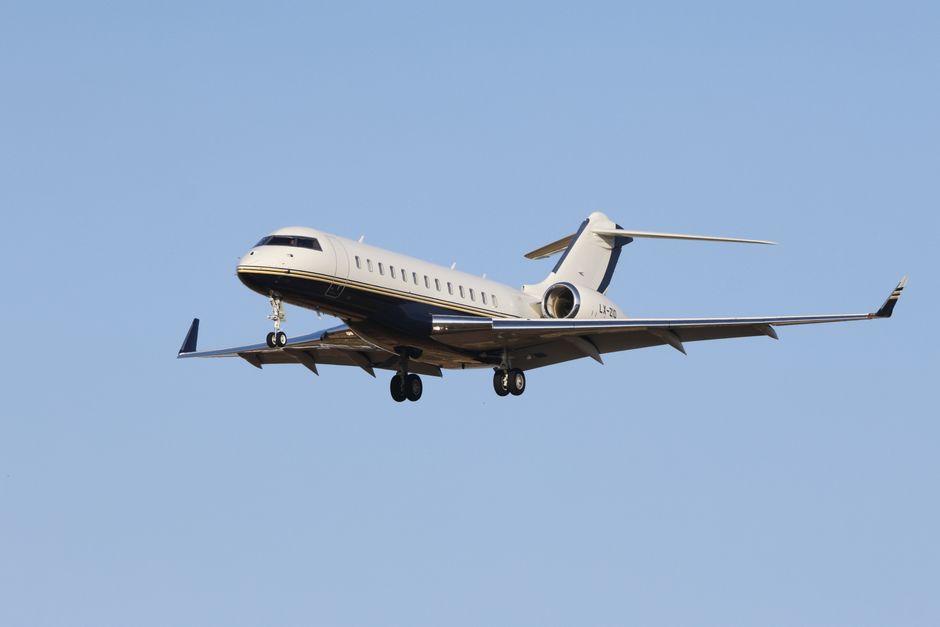
The news, published via GlobeNewswire on the Financial Post, detailed an ambitious Letter of Intent (LOI) signed between THC and aviation giant Bombardier. The headline alone was designed to grab attention: a fleet of “up to 60 new state-of-the-art jets.” This figure, however, requires a closer look. While the LOI includes a firm order for 12 aircraft – five Challenger 3500s, five Global 5500s, and two Global 8000s – it’s the accompanying purchase options for an additional 48 jets that truly inflate the headline numbers. THC, a company whose very name and established reputation are rooted in rotary-wing aircraft, is making a formidable, if not entirely clear, foray into the realm of business aviation, framing it as a “natural next step of its growth.”
What landed
The sheer scale of ambition articulated in this announcement is impossible to ignore. A potential fleet of 60 premium business jets, encompassing the Challenger and Global series, represents a monumental capital outlay and a significant expansion of operational scope. It signals that THC is not merely dabbling in fixed-wing services but intends to become a major player in the private jet sector. For Bombardier, this LOI is a welcome shot in the arm, bolstering its order book with a substantial commitment for its high-margin aircraft, particularly the top-tier Global 8000s.
The timing and venue of the announcement at Farnborough, a global aerospace showcase, were strategically chosen for maximum impact. It positioned THC’s expansion as a headline-grabbing, forward-looking move, ensuring it garnered attention from industry peers, potential customers, and investors alike. This is less a quiet business decision and more a public declaration, designed to project confidence and a vision of future dominance. The choice of Bombardier, a renowned name in executive aviation, further lends an air of seriousness and quality to THC’s new venture. It’s an implicit statement that they are entering the market with premium offerings, eschewing any suggestion of a discount play.
What doesn’t add up
While the announcement certainly lands with a thud of ambition, a skeptical read reveals more questions than answers. The framing of this dramatic shift as a “natural next step” for The Helicopter Company feels less like an organic evolution and more like a significant strategic leap. What, precisely, makes the leap from managing helicopter routes and maintenance to operating a global fleet of private jets “natural”? While both involve aviation, the operational complexities, regulatory environments, maintenance protocols, and customer bases for fixed-wing business aviation are distinct. The announcement offers no insight into the internal transformation or new expertise THC plans to leverage or acquire to bridge this gap.
Furthermore, the crucial distinction between a firm order for 12 aircraft and purchase options for 48 others cannot be overstated. An LOI, while indicative of strong intent, is not a firm commitment for the full 60. The headline number, therefore, is aspirational rather than guaranteed, allowing THC considerable flexibility should market conditions, or their own strategic assessment, shift. This hedging, while prudent from a business perspective, dilutes the immediate impact of the “up to 60” declaration, suggesting a degree of caution beneath the bold pronouncements.
Perhaps the most glaring omission from this public statement is any mention of the financial underpinning for such an audacious expansion. A fleet of 60 “state-of-the-art” business jets represents an investment running into the billions of dollars. Who is financing this venture, and what are the terms? Without such details, the impressive numbers remain somewhat abstract, raising questions about the ultimate feasibility and the long-term capital strategy behind this pivot. The private jet market, while lucrative, is also highly competitive. Whether there is genuine unmet demand for a new player of this scale, or if THC is simply aiming to carve out market share from established operators, remains an open question that this press release does not deign to address.
Monday morning, the aviation industry will be abuzz with this news. Competitors in the business jet sector will be scrutinizing their strategies, while Bombardier will be celebrating a significant, if partially optional, boost to its future revenue. For The Helicopter Company, the stakes are nothing less than its very identity. This is a gamble on a scale that few companies attempt, promising either a triumphant expansion into new skies or a costly lesson in overreach. The coming years will tell whether this “natural next step” was a stroke of genius or a flight of fancy.
Source: OnTheRecord