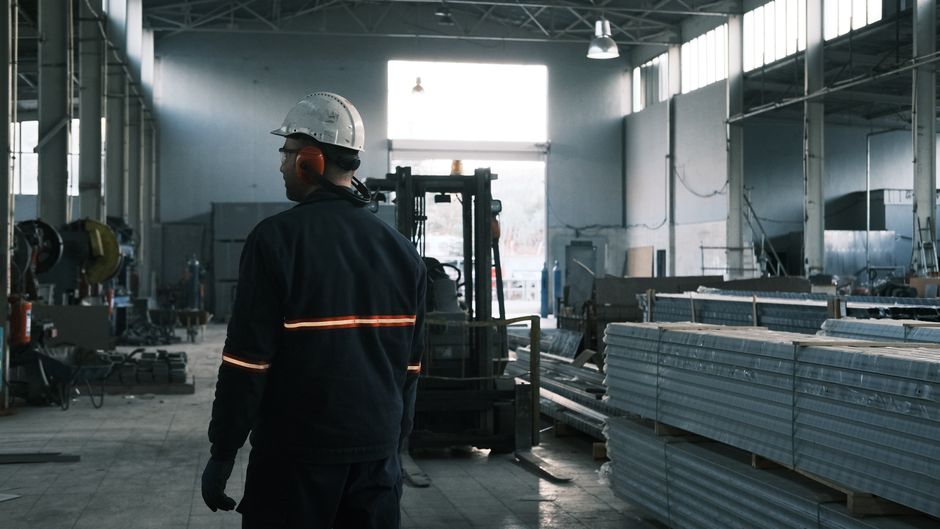
Let’s be brutally honest: when policymakers talk about the future of manufacturing, they often mean a future without many of today’s workers. The conversation around **artificial intelligence** in North American factories isn’t just about efficiency; it’s a quiet revolution already underway, poised to redraw the economic map of the continent. Are we ready for the true cost of this digital transformation, or are we just hypnotized by the shiny new robots?
According to the Baker Institute, the profound implications of artificial intelligence for North American manufacturing are now being closely examined. This analysis delves into how this transformative technology will reshape industries across the region. It suggests a future where the shop floor looks radically different, driven by algorithms and autonomous systems.
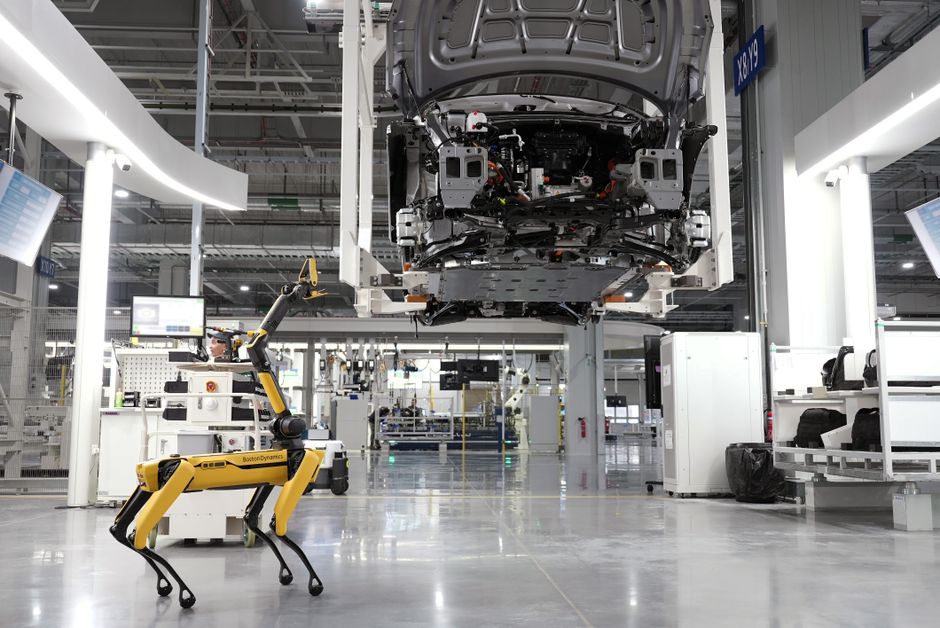
The Shifting Sands of North American Manufacturing
North American manufacturing has long grappled with a complex identity crisis. Decades of offshoring sent jobs overseas, chasing cheaper labor and looser regulations. Now, there’s a renewed push for reshoring, fueled by supply chain vulnerabilities exposed by global events and a desire for national economic security. This is where the allure of advanced technology, particularly **artificial intelligence**, becomes irresistible.
Governments and corporations see AI as the silver bullet to make domestic production competitive again, even against low-wage economies. It promises increased productivity, reduced waste, and unprecedented precision. The players are clear: large multinational corporations seeking to optimize profits, governments keen on bolstering national industries, and, of course, the technology firms selling the solutions. However, the human element, the millions of workers whose livelihoods depend on these factories, often gets relegated to an afterthought in these grand visions.
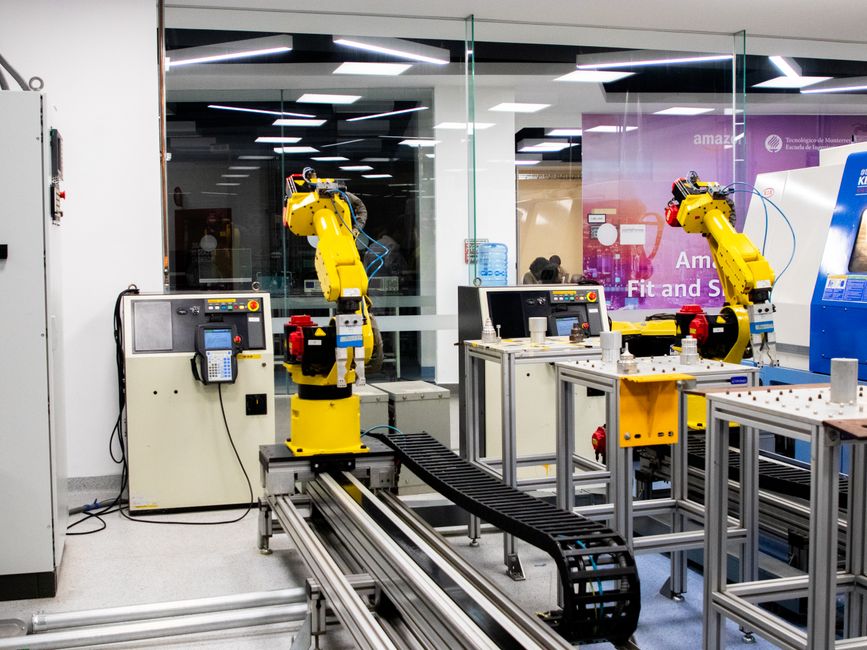
The Unspoken Truth About AI in Factories
Here’s the unfiltered truth: the widespread adoption of artificial intelligence in manufacturing isn’t simply about upgrading machinery; it’s about fundamentally redefining labor. While the official narrative often centers on “upskilling” and “creating new jobs,” the reality for many blue-collar workers will be starker. Predictive maintenance, advanced robotics, and AI-driven quality control streamline processes to such an extent that entire job categories become redundant.
Who truly wins? Large corporations and their shareholders, primarily. They stand to reap massive efficiency gains, lower operational costs, and boost profit margins. National economies might see a competitive edge in global markets, at least initially. However, the losers could be the vast swathes of the workforce whose skills are not easily transferable to the new AI-powered paradigm. While some highly specialized roles in programming, maintenance, and data analysis will emerge, they won’t absorb the millions displaced from repetitive tasks.
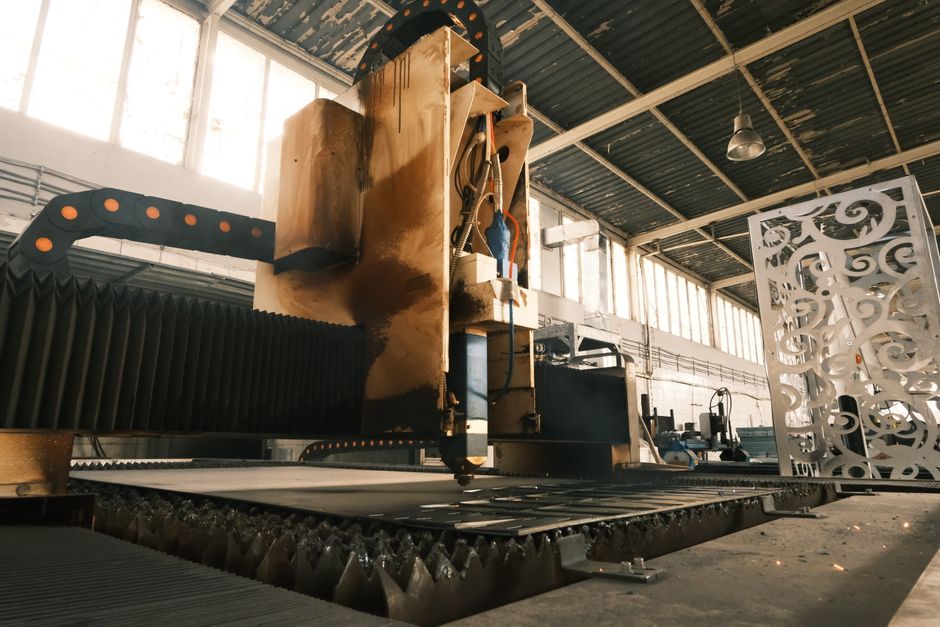
The mainstream media often celebrates the innovation without sufficiently probing the social contract. We hear about “lights-out factories” as triumphs of engineering, but rarely about the communities hollowed out by their efficiency. There’s a crucial counterargument, of course: that this technological shift is inevitable and that trying to stop it is futile. Proponents argue that adaptation is the only way forward, and that ignoring AI will leave North America behind. Yet, simply accepting this future without a robust plan for workforce transition is a dereliction of duty. We risk creating a new class divide between those who operate the machines and those who are operated *out* of jobs by them. This isn’t just an economic shift; it’s a societal earthquake.
The promise of a manufacturing renaissance driven by AI is intoxicating, but it comes with a potent warning. Unless we prioritize the human element, unless we invest massively in retraining and social safety nets, this technological leap will leave a trail of economic devastation for far too many. The future of manufacturing may be bright, but for whom will it shine brightest?
Source: Google — Technology & AI