Another earnings call, another audacious declaration from Elon Musk. This time, the grand pronouncements revolve around **Tesla Robotaxis**, which are reportedly hitting the streets of Florida. But before we all get swept up in the vision of a driverless future, it’s worth asking: is this a genuine technological leap, or just another carefully timed press release designed to juice investor sentiment?
According to The Verge, Tesla announced via a post on X that its Robotaxi service is launching in Orlando and Tampa, complete with maps outlining the initial service areas. Crucially, the announcement offered no specifics on fleet size, operational details, or how exactly interested customers might access this supposedly groundbreaking new offering.
The Long Road to Tesla Robotaxis
This isn’t Tesla’s first foray into the realm of self-driving bravado. For years, the company has dangled the promise of a fully autonomous future, with Musk famously predicting a million robotaxis on the road by 2020. That deadline, like many others from the Tesla playbook, came and went without a single autonomous cab in sight. Instead, we’ve seen the gradual rollout of “Full Self-Driving” (FSD) beta software, a system that, despite its name, still requires a human driver to remain fully attentive and ready to intervene. This history of ambitious claims followed by delayed or limited execution casts a long shadow over today’s announcement.
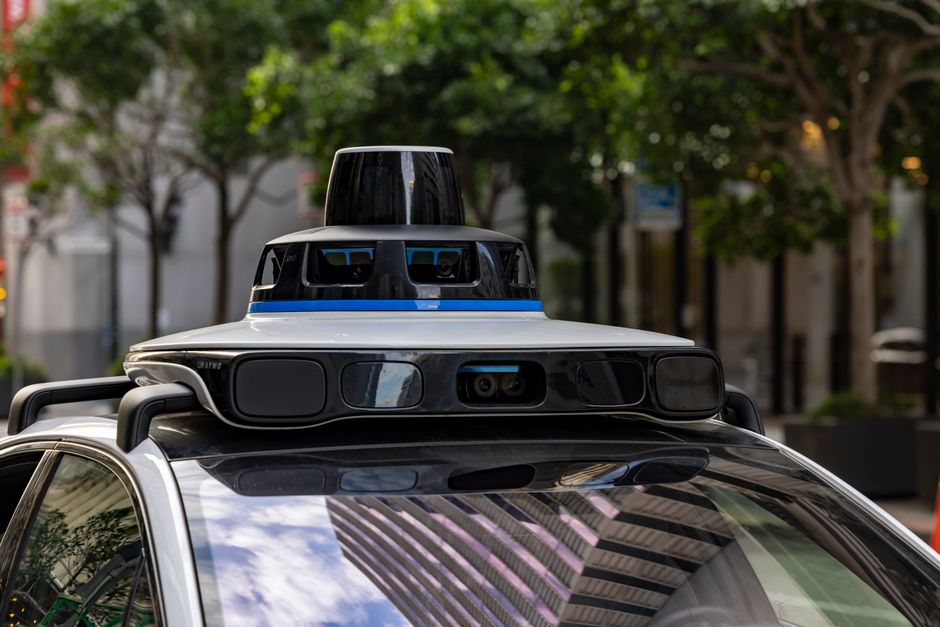
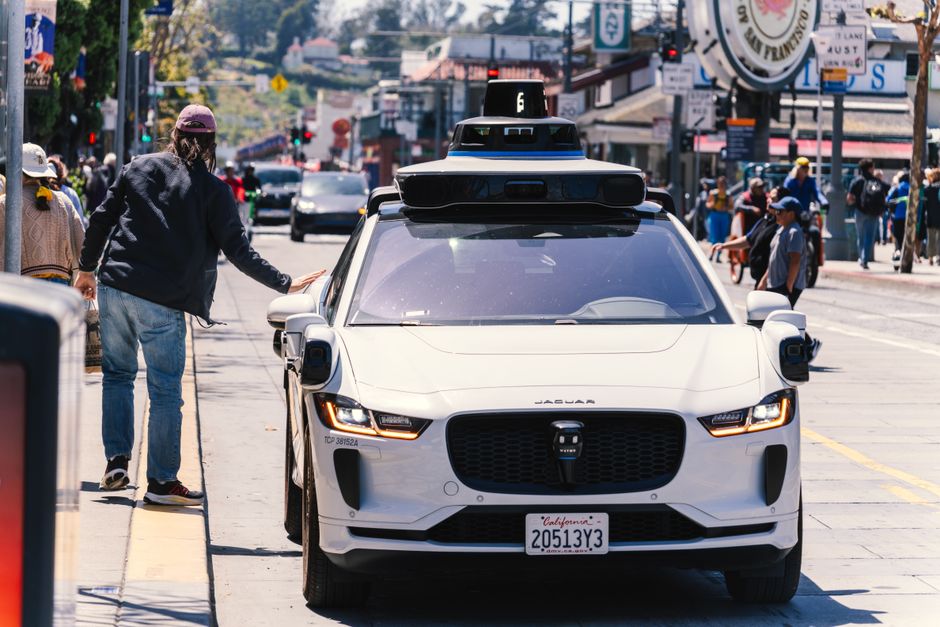
Meanwhile, other players in the autonomous vehicle space, like Waymo and Cruise, have taken a decidedly more cautious, geofenced approach, slowly expanding their services in specific cities after rigorous testing and regulatory approval. They prioritize safety validation, often at the expense of speed. Tesla, conversely, often appears to lean into a “move fast and break things” philosophy, pushing its technology to consumers more rapidly and relying on over-the-air updates to fix issues as they arise. This fundamental difference in strategy creates a stark contrast, and often, considerable controversy. Florida, with its relatively permissive regulatory environment for autonomous vehicles, presents an appealing testbed for such an approach, especially with its bustling tourist centers in Orlando and Tampa.
Unpacking the Florida Rollout
So, what are we really looking at here? On one hand, if Tesla can genuinely deploy a reliable Robotaxi service, even in a limited capacity, it would be a significant step forward for the company and for the broader self-driving industry. It would validate years of development and potentially open up entirely new revenue streams, truly disrupting the ride-sharing market currently dominated by human-driven services. On the other hand, the conspicuous lack of detail in the announcement — no word on how many vehicles, how users can summon them, or even the operational hours — raises immediate red flags. It feels less like a full-scale launch and more like a carefully staged demonstration, perhaps designed to generate positive headlines just as quarterly earnings reports loom.
The stakes are incredibly high. For Tesla, successful deployment of **Tesla Robotaxis** would be a monumental vindication of its vision and a massive leap for its stock price. For consumers, a safe, accessible autonomous taxi service could revolutionize urban mobility, reducing congestion and offering new levels of convenience. However, the potential pitfalls are equally significant. Any safety incidents, even minor ones, could severely damage public trust in autonomous technology and invite intensified regulatory scrutiny, setting the entire industry back. The mainstream narrative often fixates on the “cool factor” of driverless cars, missing the complex ethical, safety, and logistical challenges that persist. What happens when these vehicles encounter unpredictable human behavior or navigate adverse weather conditions not explicitly mapped? The real battle for autonomous vehicles isn’t just about the tech; it’s about earning and maintaining public confidence, something Tesla’s history of overpromising hasn’t always helped.

Ultimately, this Florida launch could be a genuine turning point or another chapter in the long-running saga of Tesla’s self-driving ambitions. Will these **Tesla Robotaxis** prove to be the future of transportation, or merely another flashy announcement in a long line of them? Only time, and a lot more transparency, will tell if the reality can ever live up to the hype.
Source: The Verge