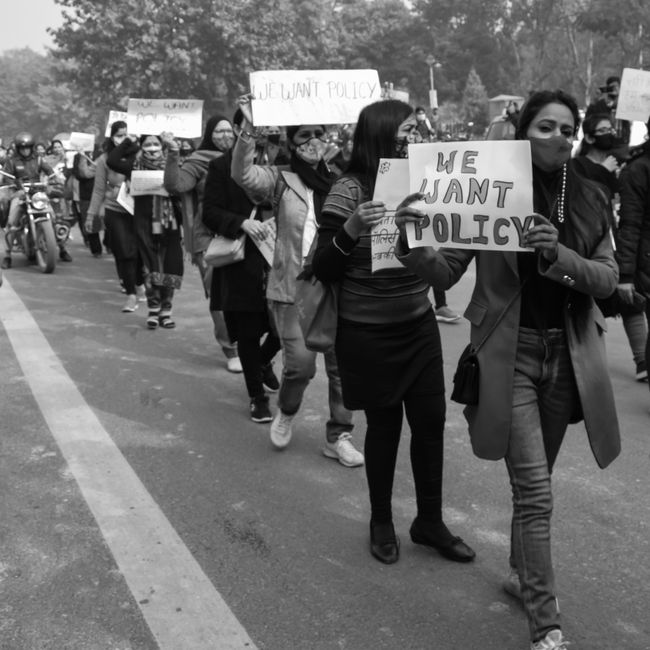
Another week, another plea for justice in a region perpetually on the brink. The recent unrest in Pakistani-administered Kashmir demands more than just a passing glance from the international community; it demands a reckoning with the systemic issues festering in this volatile territory.
According to Al Jazeera, the United Nations has now called for a swift and independent investigation into the deaths reported during recent protests across Pakistani-administered Kashmir. This urgent appeal follows a period of intense public demonstrations, which have reportedly turned deadly as authorities moved to quell dissent.
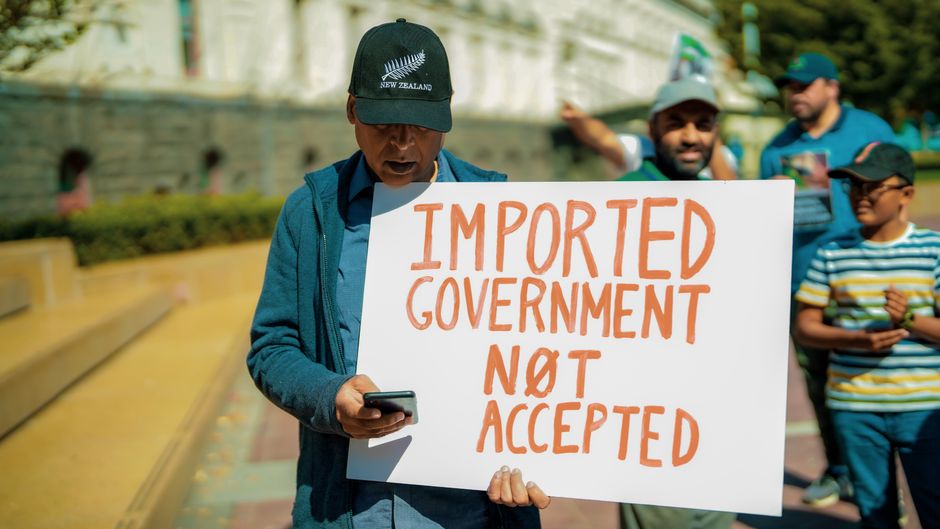
The Deep Roots of Discontent in Pakistani-Administered Kashmir
The protests did not erupt in a vacuum; they are symptoms of deep-seated grievances that have long simmered beneath the surface in this sensitive region. For decades, residents of Pakistani-administered Kashmir, often referred to as Azad Jammu and Kashmir, have voiced frustrations over economic stagnation, perceived political marginalization, and what many describe as a lack of genuine self-governance. The local population feels trapped, caught between historical claims and present-day realities.
These latest demonstrations, therefore, highlight a recurring pattern. They often ignite over issues like electricity tariffs, commodity prices, and resource distribution – matters that directly impact daily life. However, these immediate triggers often mask broader dissatisfaction with the administrative setup and the feeling of being treated as a strategic pawn rather than a priority. This sentiment is particularly strong among younger generations who see limited opportunities and feel their voices are unheard.
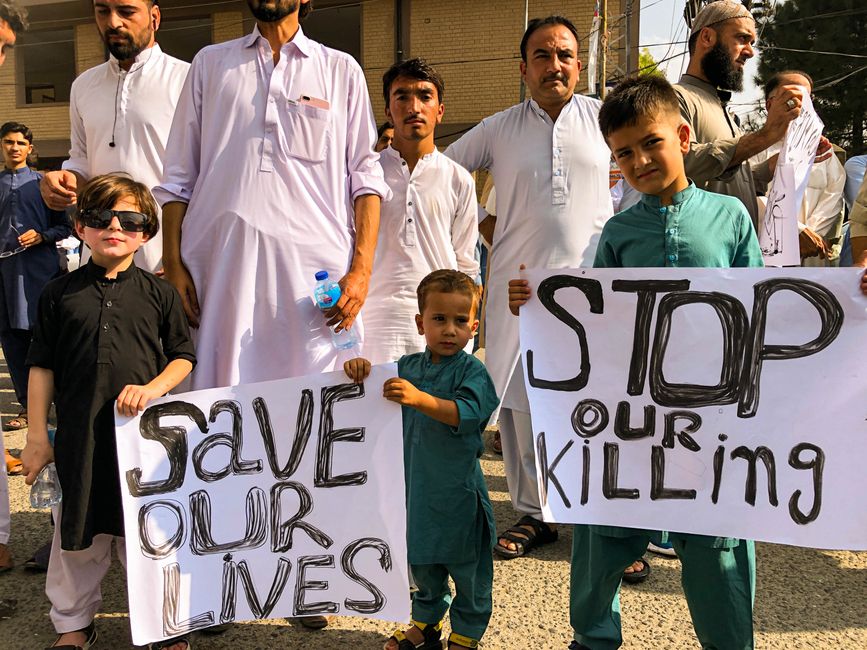
The region’s unique semi-autonomous status within the larger Pakistani state creates a complex dynamic. While officially self-governing, many residents argue that Islamabad exerts disproportionate control over key political and economic decisions. This perceived interference fuels a narrative of disenfranchisement, making calls for genuine local autonomy louder and more persistent. The recent unrest has simply brought these long-standing tensions to a brutal head.
A Toothless Tiger or a Turning Point?
The UN’s call for an independent probe is, on the surface, a welcome development. It signals international acknowledgment of the escalating human cost of the conflict. However, history teaches us caution. Such calls often become diplomatic exercises, easily diluted by geopolitical maneuvering and the sensitivities of national sovereignty. Will Islamabad genuinely facilitate an investigation that could shine an unflattering light on its administration, especially in a territory so central to its national identity and strategic posture against India? The cynicism is palpable.
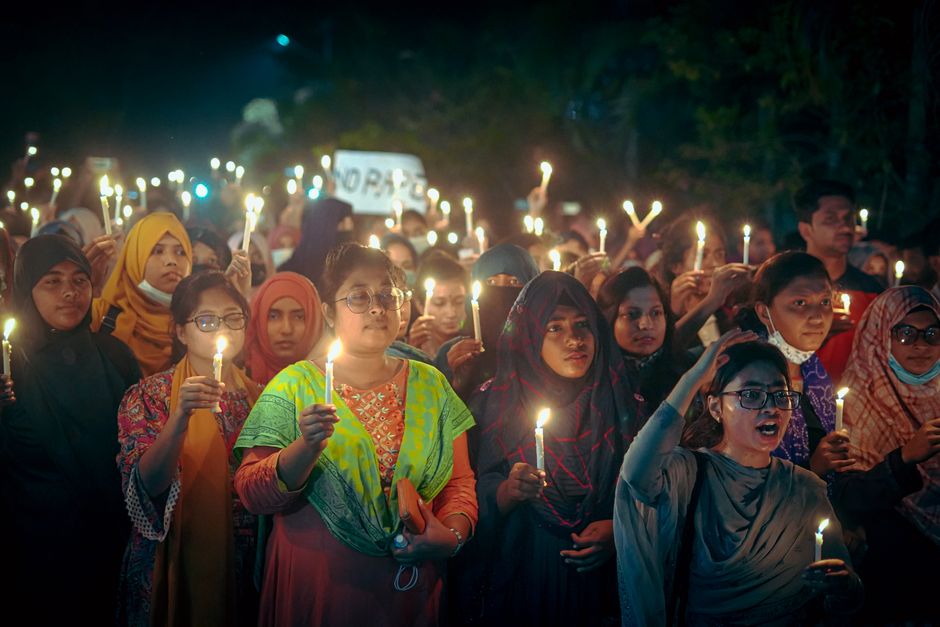
For the Pakistani government, this situation presents a delicate balancing act. On one hand, ignoring the UN’s request could further tarnish its international image and invite more scrutiny. On the other hand, a truly independent investigation, if it finds fault with the state’s handling of the protests, could empower local dissent and even provide ammunition to its geopolitical rivals. Therefore, the outcome of any ‘probe’ will likely be carefully managed, prioritizing national interests over raw transparency.
Meanwhile, the people of Pakistani-administered Kashmir remain trapped in the crossfire. Their legitimate demands for better governance, economic justice, and human rights often get framed within the larger India-Pakistan dispute over the entire Kashmir region, overshadowing their immediate plight. Their suffering becomes a footnote in a much bigger, protracted narrative. This is where the mainstream media often misses the point: focusing solely on the grand geopolitical chess game while ignoring the genuine suffering of the pawns. The UN’s intervention, while necessary, must ensure it doesn’t just add another layer to this complex political struggle but actually delivers justice and accountability for the victims.
What will it take for the world to truly see the people of Pakistani-administered Kashmir, not as a flashpoint in an enduring conflict, but as a population deserving of peace, prosperity, and fundamental human rights? Until then, the cycle of unrest and calls for investigation will likely repeat, a tragic echo in the valleys of a forgotten land.
Source: Google — South Asia