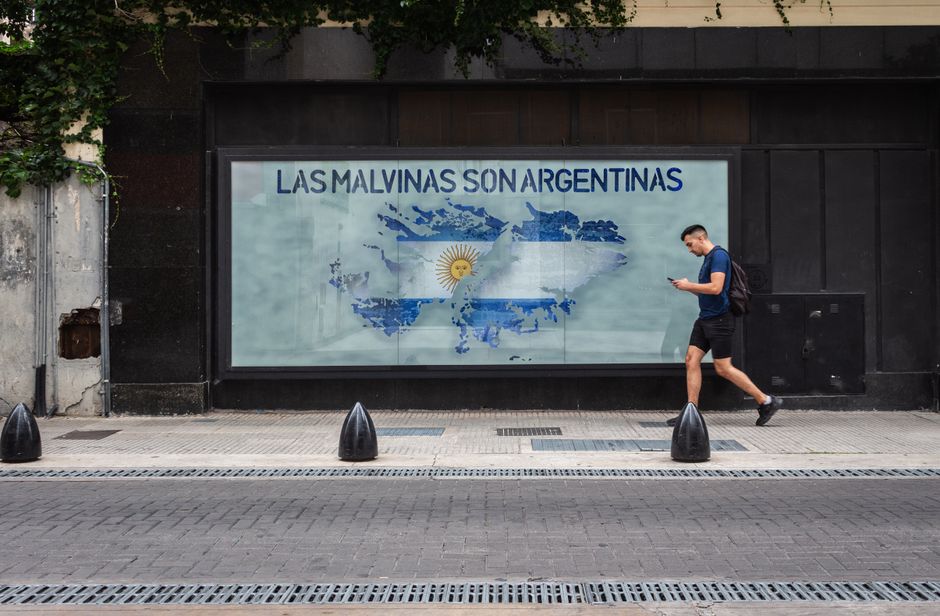
Sports, they say, are meant to unite. But sometimes, they become the most potent battleground for ancient grievances, a stage for political theater that rips open old wounds. This week, the football pitch once again proved that for **Argentina**, some scars never truly heal.
Following a tense match against England, Al Jazeera reports that Argentine players Lisandro Martinez and Giovani Lo Celso were seen brandishing a banner featuring the disputed Malvinas (Falklands) Islands. This act, according to the report, directly contravenes FIFA’s strict Stadium Code of Conduct, which explicitly forbids political displays.
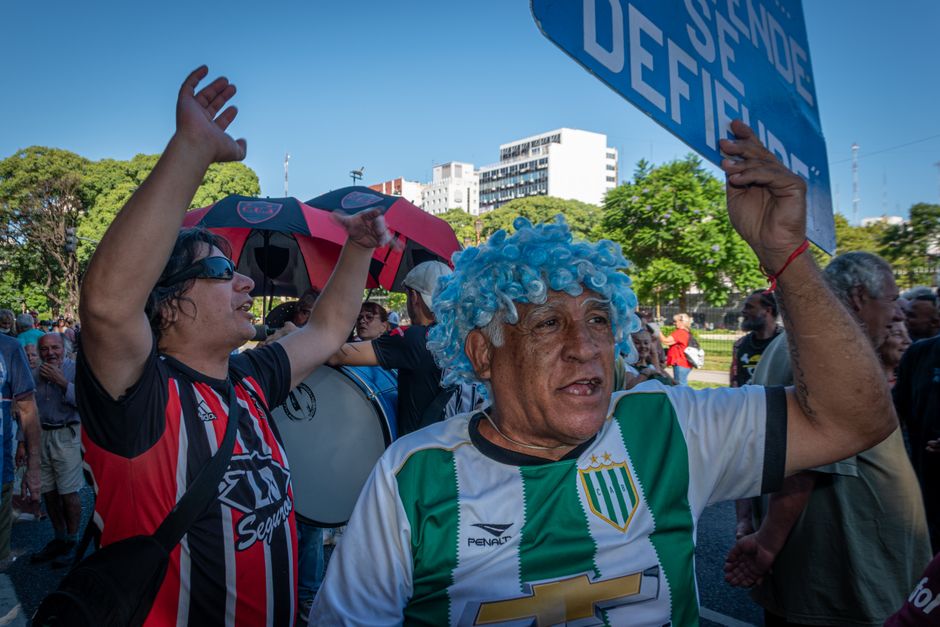
The Enduring Falklands Question for Argentina
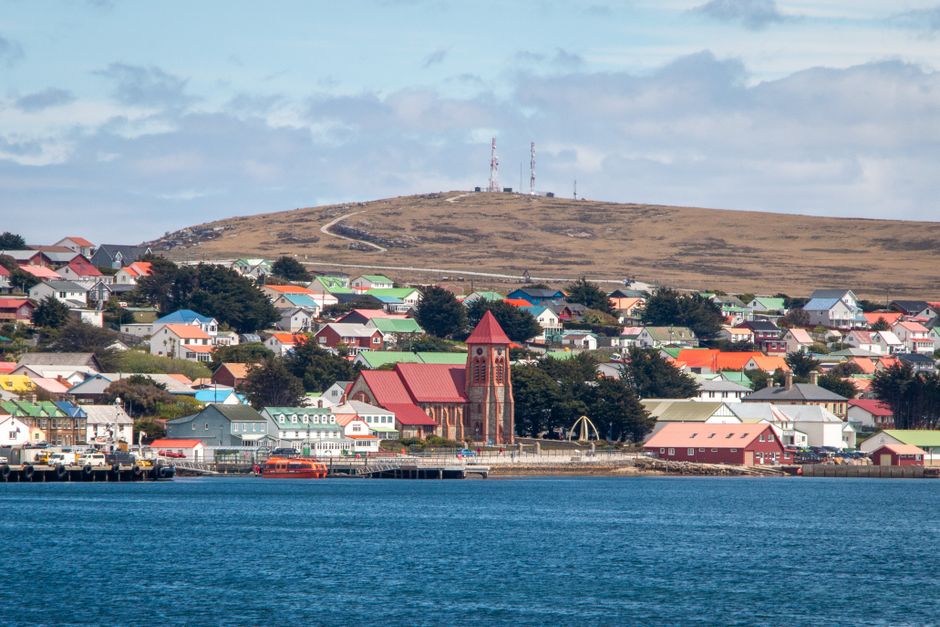
This isn’t just about a couple of players holding a flag; it’s a deep dive into over four decades of unresolved history. The Falkland Islands, known as Las Malvinas in Argentina, remain a potent symbol of national pride and historical injustice for many Argentines. The 1982 war, a brutal conflict that claimed hundreds of lives, never truly settled the territorial claim in the hearts of the Argentine populace. For them, the islands are sovereign Argentine territory, illegally occupied by the United Kingdom. Therefore, every act, every symbolic gesture, is a reaffirmation of that claim.
FIFA, on the other hand, prides itself on being apolitical. Its codes are designed to prevent the beautiful game from becoming a platform for political statements, religious symbols, or anything that could incite division. This is why such a display, regardless of its nationalist sentiment, lands the players and potentially the Argentine football association in hot water. The global governing body views these rules as essential for maintaining sportsmanship and a neutral environment, however idealistic that might seem in practice. This incident serves as a stark reminder that some national narratives are simply too strong to be contained by a rulebook. The persistent demand from **Argentina** for recognition of its sovereignty over the islands means that this issue can erupt anywhere, anytime.
The Diplomatic Foul of Argentina’s Players
So, what does this truly achieve? For the players, it’s a clear message to their countrymen and perhaps to the world: the Malvinas are Argentine. It’s a defiant act, one that will undoubtedly be celebrated by segments of the public back home. This bold move taps into a deep wellspring of nationalistic sentiment, reaffirming a collective grievance that transcends generations. It’s a moment of symbolic victory, even if it comes at a potential cost.
However, for international diplomacy and the very nature of global sports, this is a clear foul. FIFA will likely impose sanctions, perhaps fines or even bans, for violating its code. This isn’t just about the rules; it’s about the precedent. If players can unilaterally make political statements on such a high-profile stage, what’s next? Will every major sporting event become a platform for every nation’s historical claims and ongoing disputes? While some might argue that sports *should* be a platform for free expression and raising awareness, FIFA’s stance is precisely to prevent such events from devolving into geopolitical shouting matches.
This incident also puts the UK in an awkward position. While they will undoubtedly condemn the act as provocative and disrespectful, overreacting could elevate the issue further. It could be perceived as giving undue importance to a symbolic gesture, thereby inadvertently validating its impact. The UK consistently maintains that the Falklanders have the right to self-determination, a principle heavily supported by referenda on the islands. Yet, incidents like this keep the wound festering, preventing any true normalization of relations, especially when the issue is framed as a matter of colonial legacy versus national liberation. This display by **Argentina**’s players, therefore, isn’t just a footballing infraction; it’s a direct challenge to a settled international understanding, at least from one side’s perspective. It forces the world to confront the fact that for some nations, history isn’t just history – it’s today’s unfinished business.
Politics on the Pitch: A Calculated Risk
This wasn’t an accidental gesture; it was a deliberate, public statement. The question then becomes, was it a calculated risk or an impulsive act of passion? Given the ongoing, deeply ingrained nature of the Falklands dispute in Argentine consciousness, it’s more likely the former. These players understand the symbolism and the reaction it would provoke both domestically and internationally. They likely weighed the potential FIFA penalties against the surge of national pride and support they would garner from their fans. And for many, that trade-off is entirely worth it.
Yet, this constant re-ignition of historical disputes on international stages like football tournaments does little to foster genuine diplomatic progress. Instead, it entrenches positions, making reconciliation or even productive dialogue more difficult. It’s a performative act designed to keep the issue alive, to ensure the world doesn’t forget Argentina’s claim. While emotionally resonant for one side, it’s seen as an unnecessary provocation by the other, and a disruptive force by the international sporting community. This highlights the inherent tension when national identity and historical grievances collide with the supposedly neutral arena of global sports. The mainstream media often frames these as simple rule violations, missing the deeper geopolitical currents at play.
Ultimately, this incident underscores a critical truth: when national identity and deeply felt historical grievances are involved, the lines between sport and politics become irrevocably blurred. No rulebook, however well-intentioned, can fully separate a nation’s heart from its heroes. The question is not *if* such incidents will happen again, but *when* – and whether the world is ready to accept that for some, the game extends far beyond the final whistle.
Source: Al Jazeera