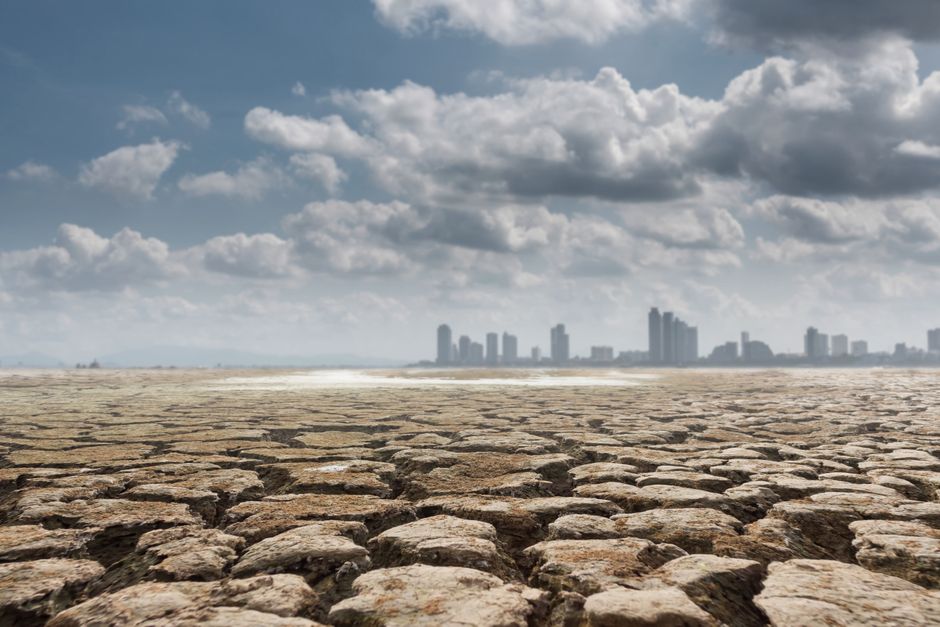
Forget the quaint notion of four distinct British seasons. That’s a romantic relic, a postcard from a bygone era. The **Met Office** has just delivered the stark truth: the UK’s extreme weather isn’t an anomaly anymore; it’s the new normal.
According to a recent BBC report, the latest climate assessment warns that the cold, iconic mountainous regions of the UK are also steadily disappearing. This isn’t just about an occasional heatwave or a sudden downpour; it’s a fundamental shift in the very fabric of our climate, confirmed by the nation’s leading meteorological authority.
The UK’s Shifting Climate Reality
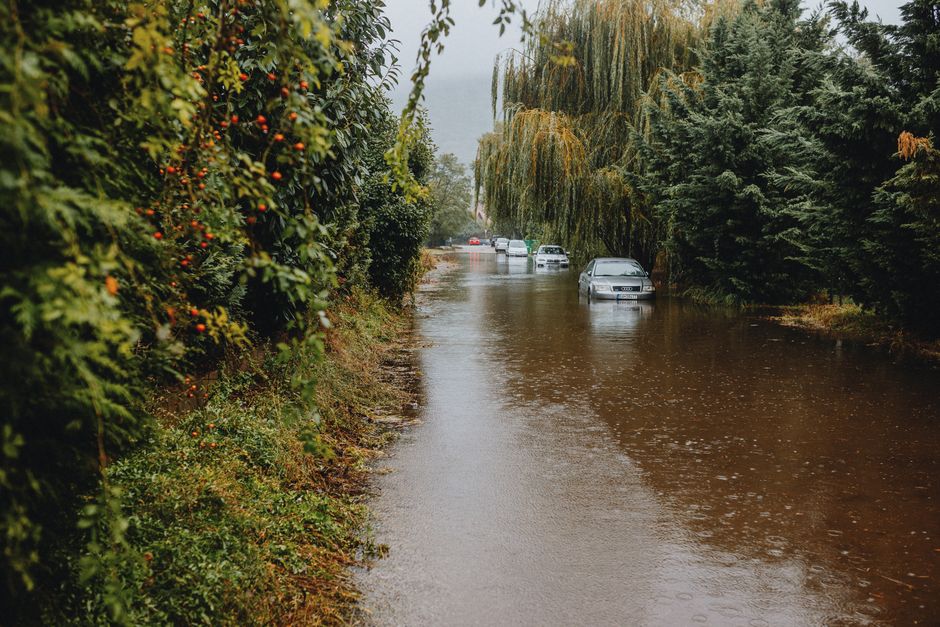
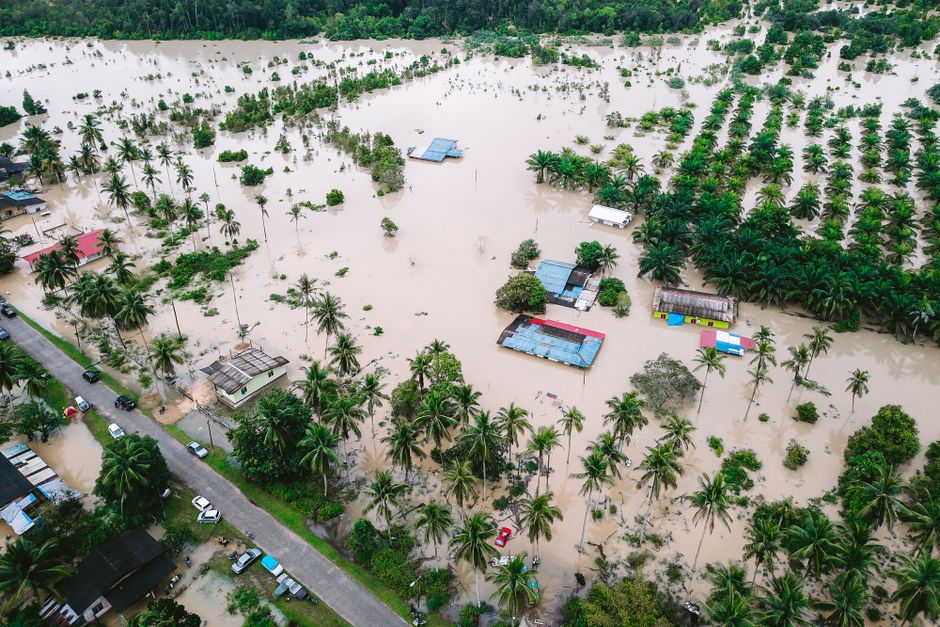
This isn’t merely a statistic; it’s an existential challenge for a nation that prides itself on its stoic resilience in the face of drizzle. What does “extreme weather is the new normal” truly mean for the average Briton? It means more than just complaining about the heat or the rain. It signifies buckling railway lines in summer, flooded homes in winter, and agricultural yields under constant threat from unpredictable swings. Our infrastructure, built for a temperate climate, is already groaning under the strain. Roads melt, power grids falter, and ancient drainage systems are overwhelmed.
The loss of cold mountainous areas, particularly in places like the Scottish Highlands or the Welsh peaks, carries profound implications. These aren’t just scenic backdrops for tourists; they are vital ecosystems, home to unique flora and fauna, and crucial reservoirs for our water supply. Their degradation impacts everything from biodiversity to the very character of our national landscape. For too long, warnings from the **Met Office** have been treated as distant threats, easily dismissed or downplayed by those in power.
The Uncomfortable Truth from the Met Office
The real hot take here isn’t that climate change is happening – that’s been settled for decades. It’s the alarming complacency with which this “new normal” is being met. Our government, often quick to champion global climate initiatives on the world stage, seems strangely reluctant to confront the domestic reality with the urgency it demands. We’re told to adapt, to build higher flood defences, to plant more trees – worthy efforts, perhaps, but often too little, too late, and without the systemic overhaul required.
This isn’t just about the environment; it’s about economics, national security, and social equity. Who bears the brunt of these extreme conditions? It’s often the most vulnerable communities, those in flood-prone areas or with inadequate housing, who pay the highest price. Meanwhile, industries that continue to profit from unsustainable practices face little real pressure to change. The hypocrisy is palpable: we preach global responsibility while our national response often feels like a shrug. The warnings from the **Met Office** are clear, yet the political will to enact truly transformative change remains frustratingly absent. Some might argue that adapting to the inevitable is the only pragmatic approach, but adaptation without aggressive mitigation is merely surrender. It’s a costly, reactive strategy that will only perpetuate a cycle of crisis management.
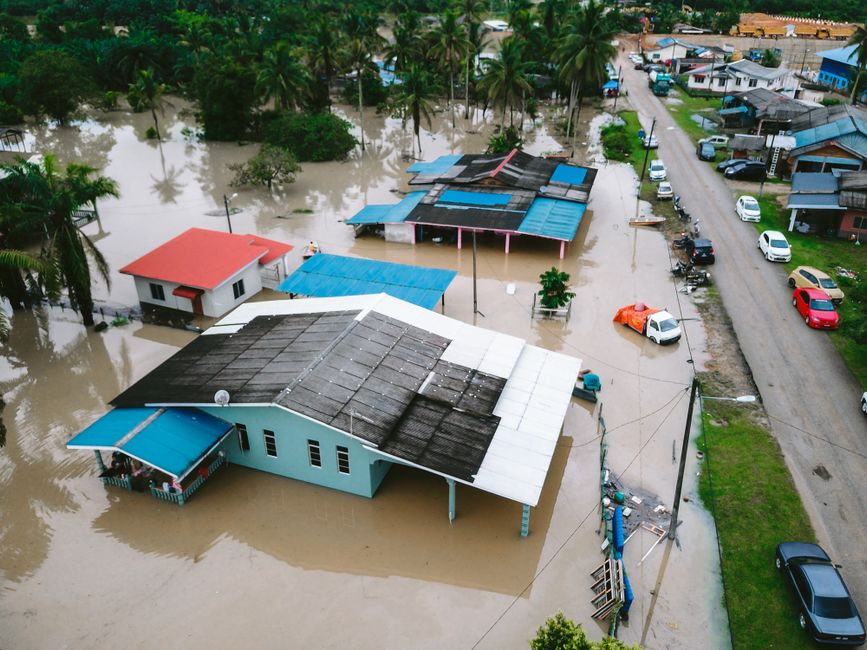
This isn’t a future threat; it’s a present danger, impacting every corner of the UK. We are past the point of debate. The science is definitive, the evidence is everywhere, and the **Met Office** has laid out the bleak forecast. The question is no longer *if* our climate is changing, but whether we, as a nation, will finally wake up and fight for a resilient future, or simply passively surrender to the inevitable consequences of our inaction.
Source: BBC UK