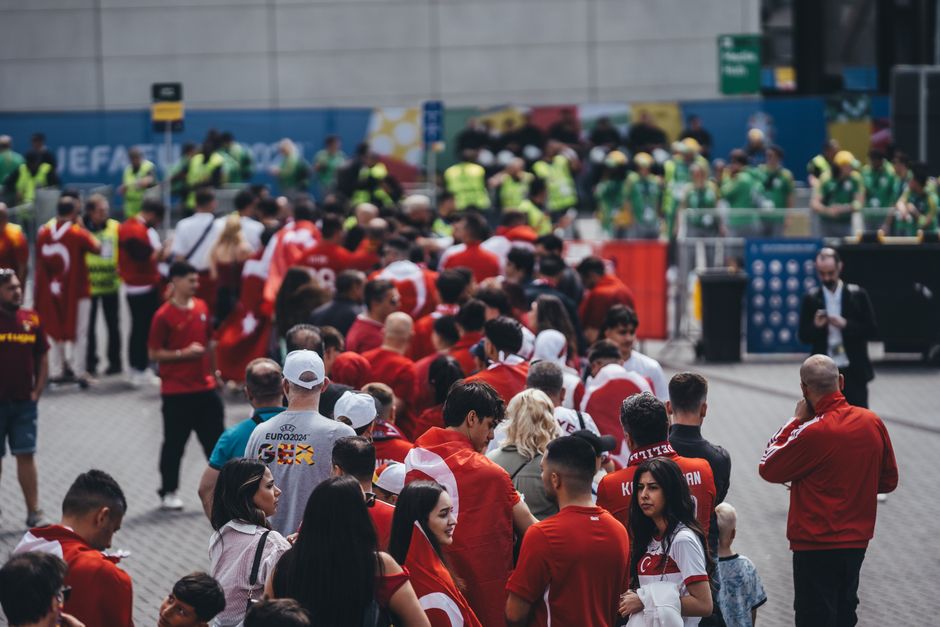
Is it a sign of preparedness or an admission of defeat when a host city braces for battle before the first whistle even blows? The global spotlight is fixed on **Atlanta**, not just for the beautiful game, but for the potential ugliness its authorities anticipate. This isn’t just about managing crowds; it’s about managing expectations, and perhaps, our collective fear.
According to Al Jazeera, Atlanta police are implementing advanced security measures. These steps are a proactive response to potential crowd trouble. They are specifically targeting the upcoming England vs. Argentina World Cup match.
The Stakes in Atlanta
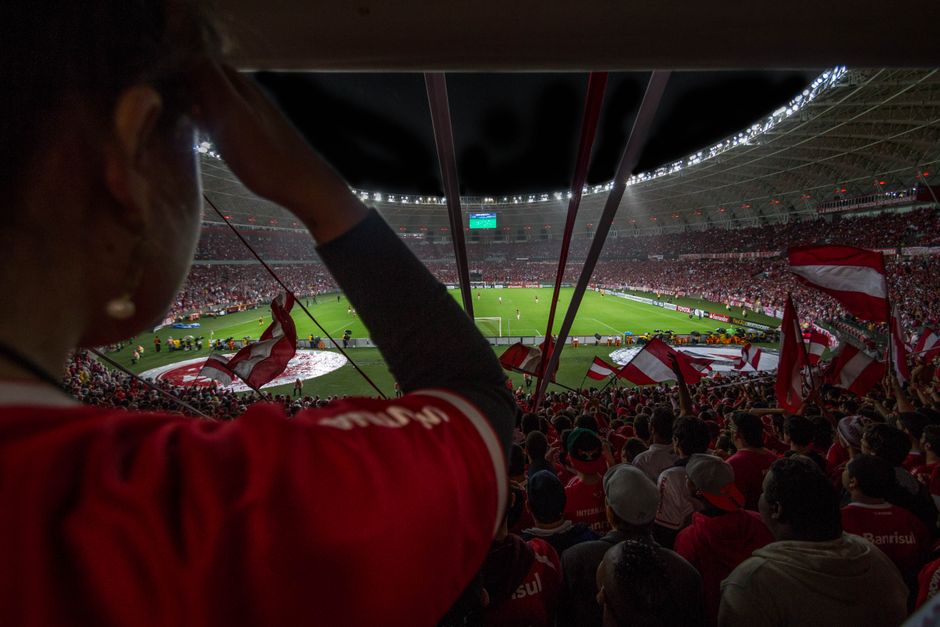
This isn’t just another football match; it’s a powder keg wrapped in a global spectacle. The rivalry between England and Argentina runs deeper than sport, steeped in historical and political tensions that date back decades. Memories of the Falklands War still linger in some corners, feeding a fierce animosity that has often spilled from the terraces onto the streets. When these two nations meet on the pitch, particularly at a World Cup, it becomes a crucible of raw emotion. The stakes are always incredibly high.
For **Atlanta**, hosting such a high-stakes encounter presents both an immense opportunity and a significant challenge. The city’s reputation as a world-class event host is on the line. Ensuring safety while maintaining an atmosphere of celebration is a delicate balance. The sheer scale of the World Cup means thousands of fans, many traveling internationally, will descend upon the city. This influx brings diverse cultures, heightened excitement, and unfortunately, a small but volatile element often associated with football’s darker side.
The police’s decision to announce “advanced security” upfront signals a recognition of this unique risk. It’s a strategy designed to deter, to send a clear message. However, it also inherently frames the event not just as a festival of sport, but as a potential flashpoint requiring heavy-handed intervention. The specter of past hooliganism hangs heavy, forcing authorities to weigh the rights of peaceful fans against the undeniable need to control potential chaos.
Beyond the Pitch: A Global Test
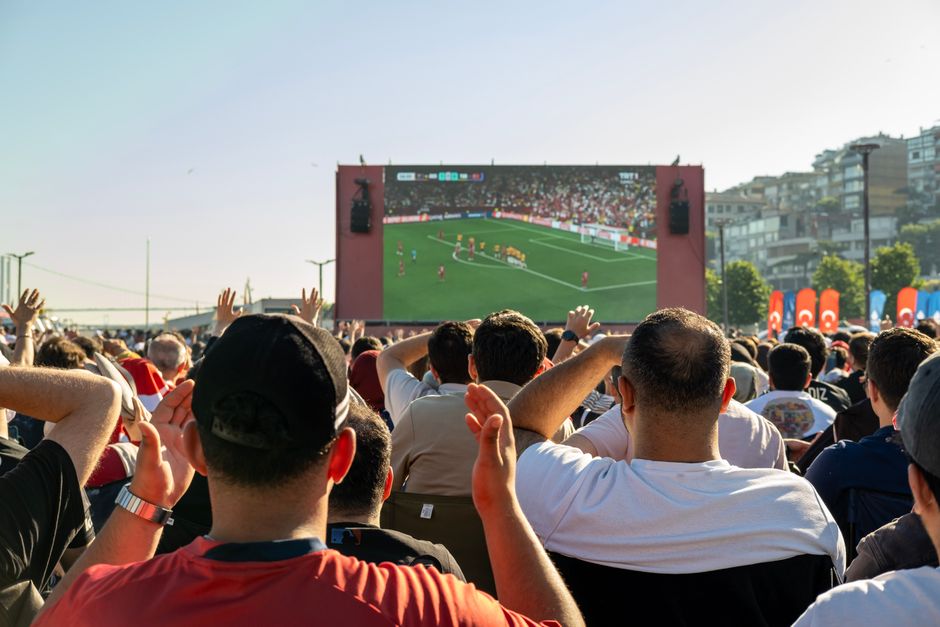
Let’s be blunt: proactive security for a major sporting event is sensible. Cities have a duty to protect their residents and visitors. But when the host city loudly announces it’s “gearing up for trouble,” it’s a telling symptom of a deeper problem. It’s an implicit acknowledgement that a segment of international football culture remains stubbornly resistant to civility, forcing entire cities to adopt a semi-militarized posture. The question isn’t whether security is necessary, but what message this heavy-handed approach truly sends to the world. Are we celebrating the World Cup, or merely managing its inherent risks?
This isn’t just about protecting property or preventing fights; it’s about the optics of America on the global stage. **Atlanta** now carries the burden of proving it can handle the intense emotional volatility that accompanies certain international rivalries. The worry is that the very presence of overwhelming security could inadvertently escalate tensions, creating an “us vs. them” dynamic between authorities and fans, rather than fostering a unifying atmosphere. It also risks alienating the vast majority of peaceful supporters who simply want to enjoy the game. They pay exorbitant ticket prices and travel costs, only to be treated as potential suspects.
Moreover, this focus on physical security often misses the deeper currents. True peace isn’t imposed by riot gear; it’s cultivated by respect and understanding. While police can contain outbreaks, they can’t erase the underlying animosities that fuel them. The real test for Atlanta and for future World Cup hosts isn’t just controlling the crowd, but creating an environment where such extreme measures feel less necessary. The mainstream narrative often applauds such foresight, yet rarely questions the fundamental failure of fan culture that makes it imperative. Who truly wins when the beautiful game requires a phalanx of officers to keep the peace?
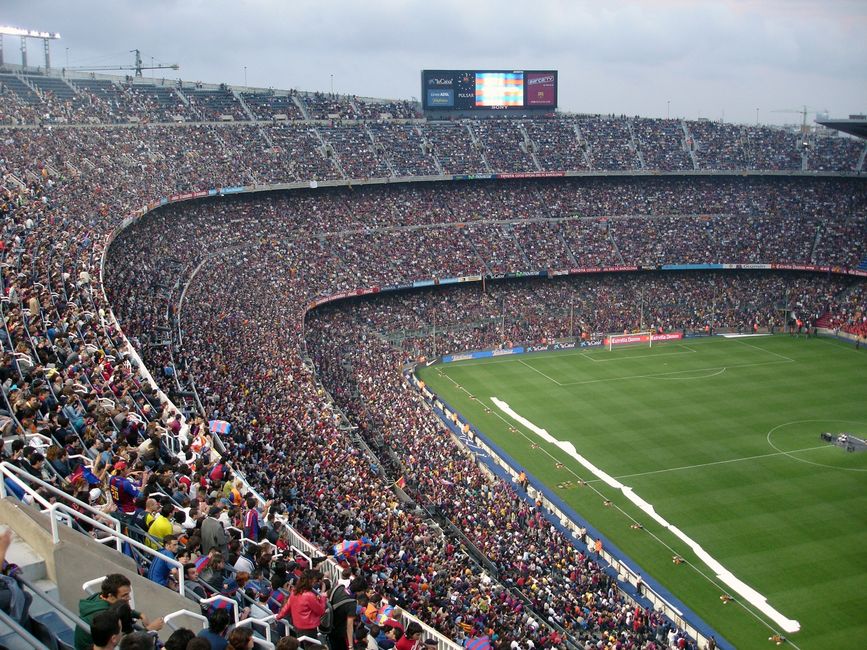
The losers, arguably, are the fans who travel thousands of miles for an experience tainted by apprehension. The city itself, despite its best intentions, might find the headlines focusing as much on its security apparatus as on the sporting drama. Meanwhile, FIFA, the ultimate beneficiary of this global spectacle, largely sidesteps the responsibility for the social dynamics it unleashes. They profit from the passion, while host cities like Atlanta are left to manage the fallout.
As the first whistle approaches, Atlanta stands at a crossroads. Will its proactive measures be hailed as a triumph of order, or will the shadow of anticipated trouble overshadow the glory of the pitch? The world will be watching, not just the score, but the uneasy peace maintained by force. It’s a sobering reminder that sometimes, even in the realm of sport, humanity’s divisions require an iron fist rather than a welcoming hand.
Source: Al Jazeera