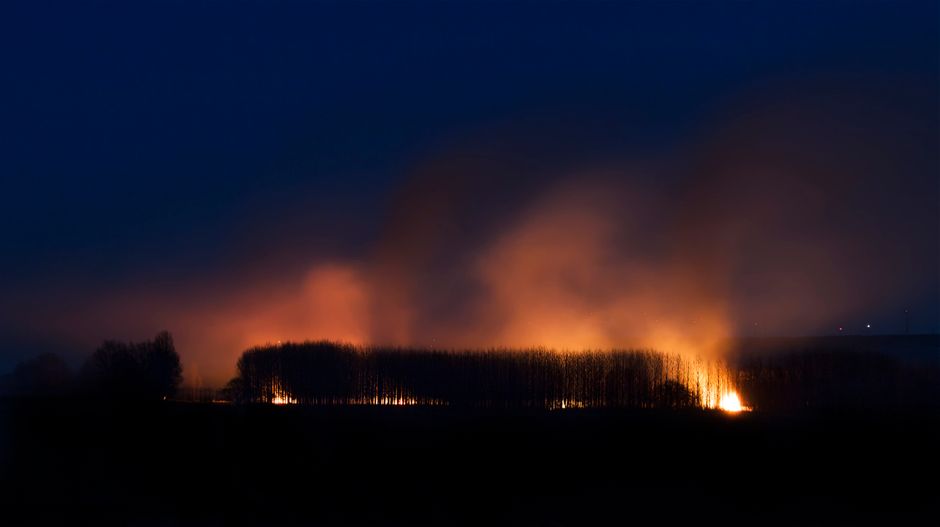
Another summer, another blaze. The relentless march of **wildfire** across landscapes once considered safe is no longer a distant threat; it’s a terrifying reality closing in on our homes, even in the UK. This week’s fiery drama in Wales serves as a stark, smoke-filled reminder of how quickly “normal” can evaporate.
According to BBC UK, thirty-six homes near Conwy Mountain and the Sychnant Pass in Conwy county have been evacuated as a result of a spreading blaze. The fire, which was reportedly heard “crackling” down the mountain, is expected to intensify and spread further as a heatwave grips the region.
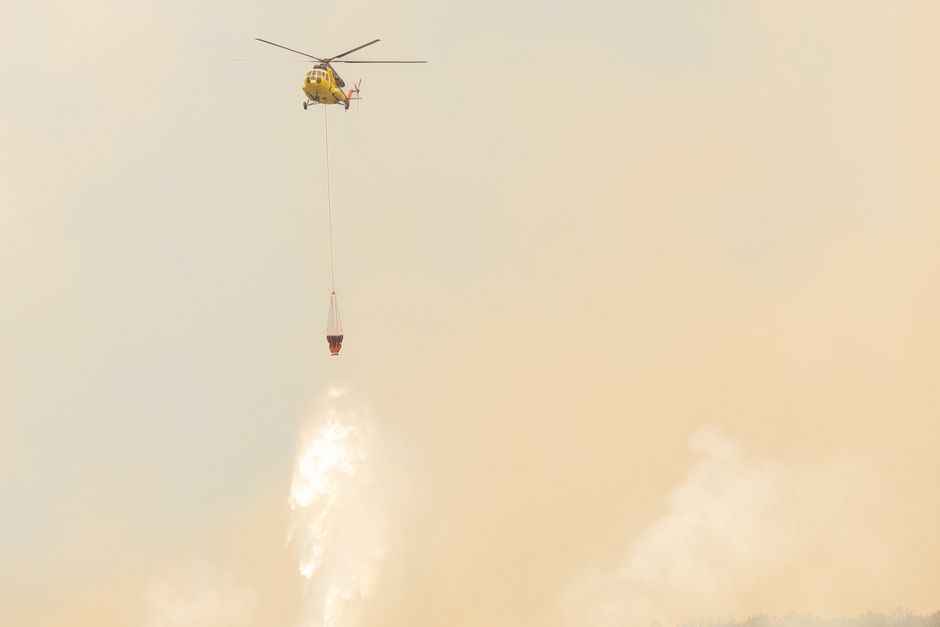
The UK’s Blazing Reckoning
This isn’t an isolated incident, nor is it merely a local emergency. The images of residents fleeing their homes, the air thick with ash and uncertainty, are becoming an increasingly common feature of the British summer. We are witnessing the sharp end of climate change, not in some far-off land, but right on our doorstep.
For years, the political establishment has either downplayed the urgency or offered platitudes, promising future actions while tangible preparedness lags behind. The intensifying heatwave, which transforms green hillsides into tinderboxes, is now a predictable element of our weather cycle. Yet, the systemic response often feels reactive, scrambling to contain rather than proactively mitigate.
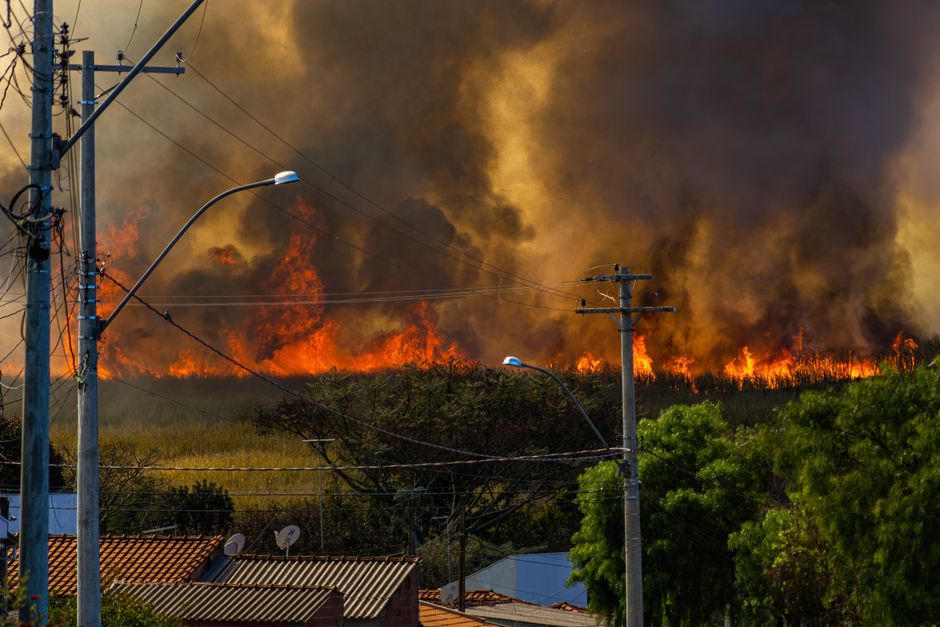
This wildfire in Conwy is a critical bellwether, especially as the UK opens its political week. It forces uncomfortable questions about infrastructure resilience, emergency service funding, and the true cost of delayed environmental policy. This isn’t just about extinguishing flames; it’s about acknowledging a fundamental shift in our environment and the political will to confront it head-on.
The Uncomfortable Truth of UK Wildfires
Let’s be blunt: the UK is poorly equipped for a sustained season of large-scale wildfires. Our emergency services are heroic, but they are designed for temperate conditions, not the arid, scorching landscapes that are becoming increasingly common. When a fire is “crackling” down a mountain, it’s not just a sound; it’s the sound of our complacency burning away.
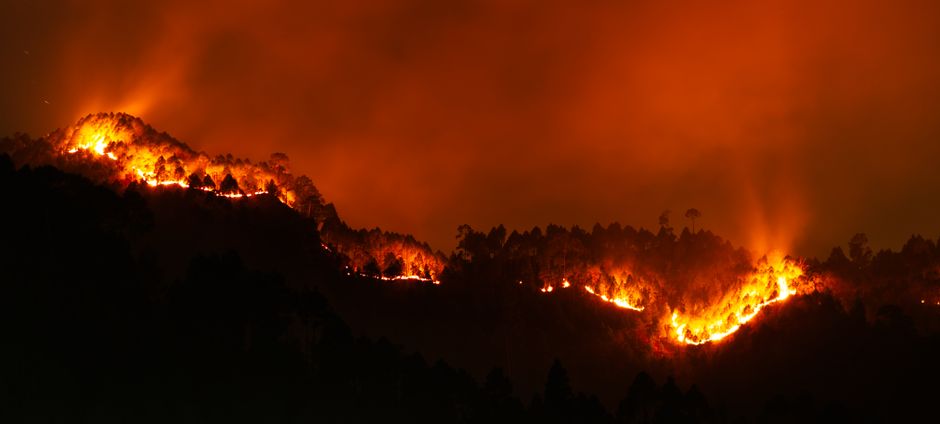
The mainstream narrative often focuses on individual responsibility or freak weather events. However, this sidesteps the larger systemic issues at play. Are developers building new homes in vulnerable areas without adequate fire breaks or resilient materials? Is sufficient funding being allocated to land management practices that reduce fuel loads? These are the uncomfortable questions that need answering, not just during an active crisis, but in the cold light of policy review.
Consider the ripple effects. Evacuations cause immense personal trauma and disruption, but they also strain local economies and infrastructure. The ecological damage is profound, impacting biodiversity and water quality for years. This isn’t just a natural disaster; it’s a burgeoning economic and social crisis that politicians, particularly those focused on the UK desk, can no longer afford to ignore. The truth is, we are paying the price for decades of insufficient climate action and a failure to adapt our national strategy to a rapidly changing world. Each new **wildfire** outbreak exposes the gap between rhetoric and reality, highlighting the urgent need for robust, proactive measures.
The sight of smoke rising over Welsh mountains should serve as more than just a momentary news headline. It should be a blazing indictment of our collective inaction, a stark reminder that the future is already here, and it’s hot, dry, and terrifyingly unpredictable. How many more homes must be evacuated, how many more landscapes scorched, before we finally ignite a truly comprehensive strategy against the encroaching **wildfire** threat?
Source: BBC UK