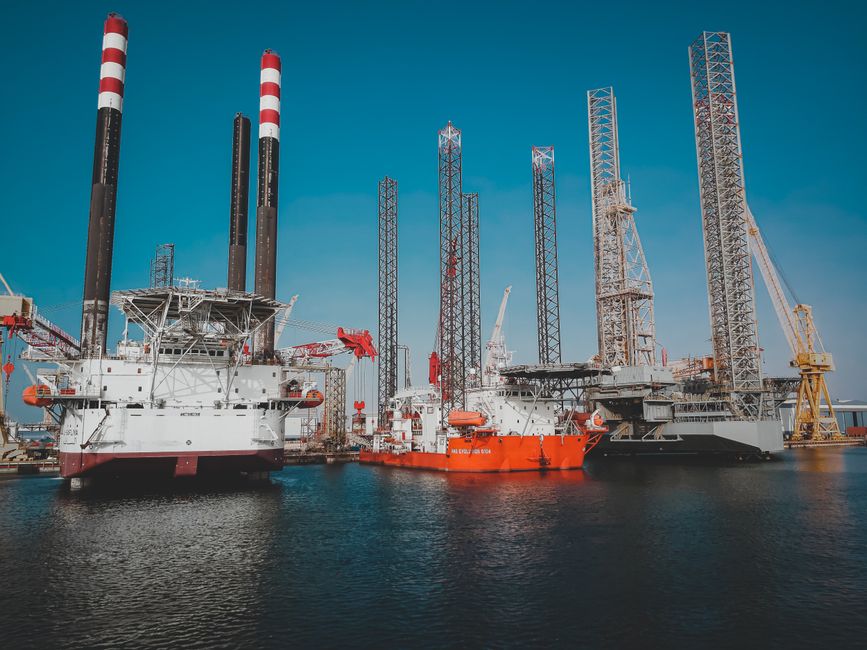
The obituaries are flowing, rich with praise for a visionary. But the death of the Former Emir of Qatar, Sheikh Hamad bin Khalifa Al Thani, isn’t just an occasion for diplomatic platitudes; it’s a stark reminder of how deeply one man can sculpt a nation and, by extension, an entire region. As leaders across the globe offer their condolences, we must look beyond the official statements to understand the true weight of his passing.
According to Al Jazeera, global leaders have offered their sympathies following Sheikh Hamad’s death, consistently praising his legacy and Qatar’s remarkable growth under his stewardship. This outpouring of grief highlights his undisputed impact on the small but strategically vital Gulf state.
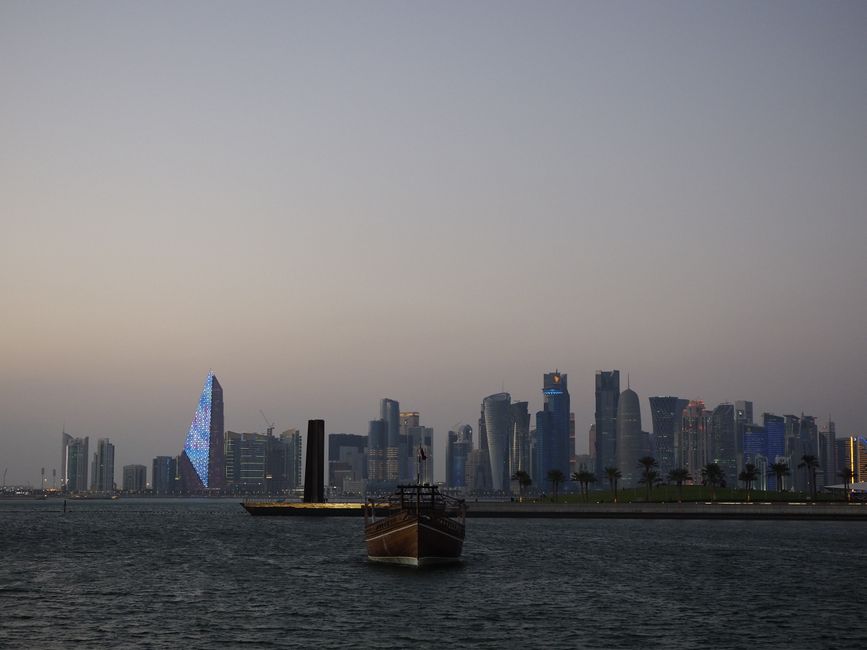
The Architect of Modern Qatar
Sheikh Hamad bin Khalifa Al Thani was no ordinary ruler; he was an architect. He seized power in a bloodless coup against his father in 1995, a move that set the stage for one of the most audacious transformations in modern Middle Eastern history. Qatar, once a minor player, was catapulted onto the global stage under his command.
His vision was singular: leverage Qatar’s vast natural gas reserves to build an independent, influential power. Consequently, he transformed the nation into the world’s leading exporter of liquefied natural gas (LNG). This economic might then fueled ambitious projects like the Al Jazeera media network, which redefined Arab media, and the successful bid for the 2022 FIFA World Cup. These initiatives were not mere vanity projects; they were calculated instruments of soft power, designed to give Qatar a voice disproportionate to its size.
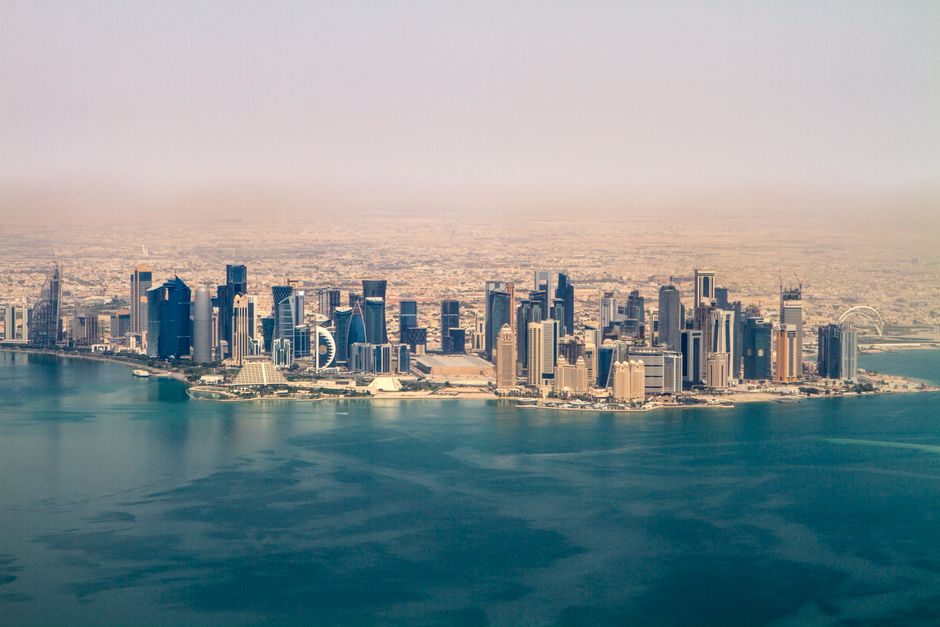
Furthermore, he fostered a foreign policy often at odds with its larger neighbours, positioning Qatar as a mediator in regional conflicts. This independent streak, however, eventually led to the 2017 blockade by Saudi Arabia, the UAE, Bahrain, and Egypt, a crisis that tested the very foundations of his legacy. Crucially, in 2013, he abdicated power to his son, Sheikh Tamim bin Hamad Al Thani, a rare move in the autocratic Gulf, signaling a managed transition that many hoped would ensure stability. The passing of the Former Emir now closes a chapter on a pivotal figure.
Beyond the Eulogies: Qatar’s Unfinished Business
The official eulogies paint a picture of a benevolent modernizer, a leader who brought prosperity and prestige. However, the reality is always more complex. While Sheikh Hamad undeniably oversaw an economic boom and elevated Qatar’s international profile, his rule also maintained the tight grip of an absolute monarchy, where dissent was not tolerated. This paradox — a global media giant championing free speech abroad while maintaining strict controls at home — remains a core tension within his legacy.
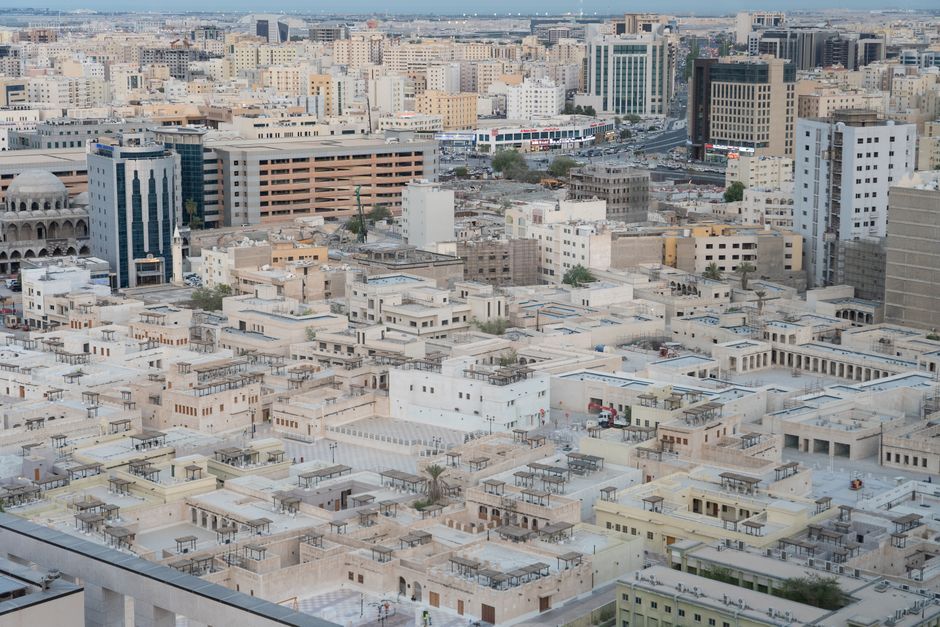
His death arrives at a precarious moment for the Middle East. With ongoing regional realignments and simmering tensions, the absence of a figure with his historical weight could subtly shift dynamics. Sheikh Tamim, his son, has been firmly in power for over a decade, navigating the blockade and charting his own course. Yet, the passing of the patriarch, the man who shaped Qatar’s audacious independence, inevitably invites scrutiny of the path ahead.
For Monday’s political agenda, this event will undoubtedly ripple through Gulf capitals. Will Qatar, emboldened by its survival of the blockade and the continued success of its independent foreign policy, double down on its distinct path? Or will the loss of its original architect lead to a period of introspection, perhaps opening doors for renewed, albeit cautious, engagement with its neighbours? Some might argue that his strategic foresight created a resilient state capable of weathering any storm. Others might suggest that without his guiding hand, the current leadership faces an even greater challenge to maintain Qatar’s delicate balance of influence and autonomy. The market implications, particularly for energy security and regional investment, will also be watched closely. The Former Emir’s strategic choices inextricably tied Qatar’s economic fate to its political ambitions.
The death of the Former Emir is more than just the end of a life; it’s a moment to assess the enduring power of a singular vision in a region perpetually in flux. How Qatar navigates the post-Hamad era, particularly in the coming weeks, will be a testament to the strength, or fragility, of the state he built. Will his carefully constructed legacy prove robust enough to withstand the volatile currents of Middle Eastern politics, or will new forces begin to reshape the sands of the desert kingdom?
Source: Al Jazeera