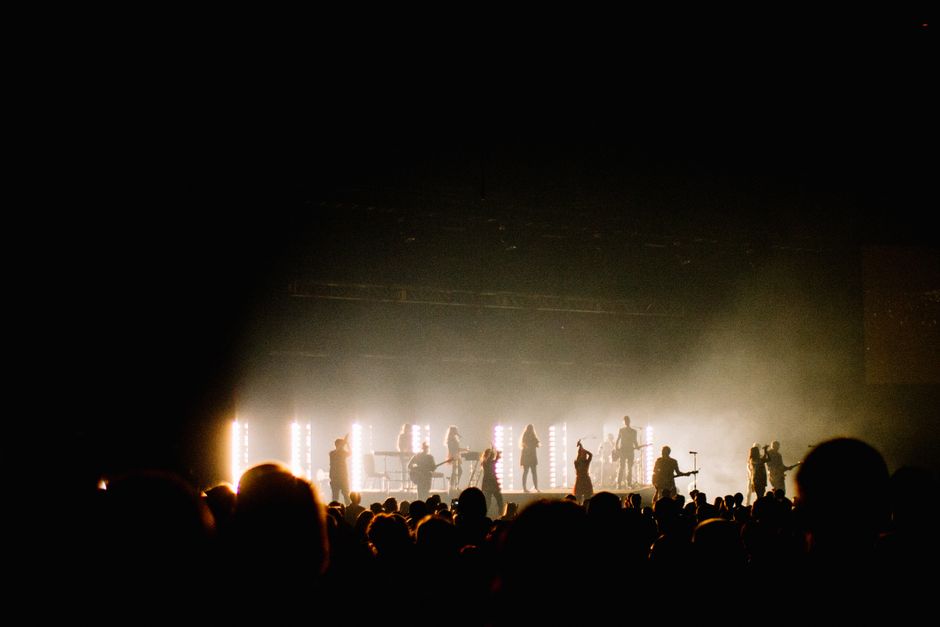
Another Saturday night, another attempt by the BBC to prove its enduring relevance in a fractured media landscape. This time, the weapon of choice is an undeniable Scottish success story: the live broadcast of a **Calvin Harris** homecoming show. But is this a genuine cultural moment, or just another safe bet from an institution increasingly risk-averse?
According to BBC UK, the renowned DJ and producer is set to deliver a career-spanning set from Scotland’s national stadium on Saturday, August 1st. The event promises to be a major draw, beaming directly into homes across the nation.
For many, the BBC broadcasting a major music event is business as usual. Yet, in an era where live streams are ubiquitous and artists can connect directly with fans, the BBC’s move feels both traditional and strategic. This isn’t just a concert; it’s a statement about their commitment to popular culture, especially within the **Calvin Harris** phenomenon.
The BBC’s Big Bet on Calvin Harris
The BBC, a public broadcaster funded by a license fee, has long walked a tightrope between public service and mass appeal. Their remit demands they cater to diverse tastes, but also means they are under constant scrutiny for their choices. Bringing a global superstar like Calvin Harris back to Scottish soil for a televised event ticks several boxes. It’s a nod to national pride, a concession to the enduring power of mainstream dance music, and a direct challenge to commercial competitors who might otherwise claim such exclusive content.
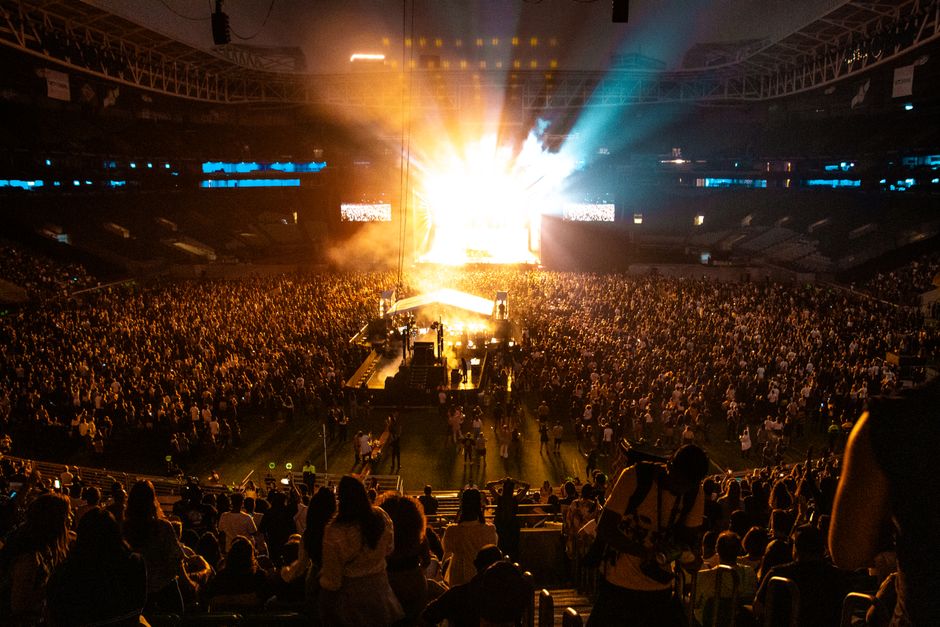
Consider the trajectory of Calvin Harris himself. From his early MySpace days to headlining festivals worldwide, he represents a unique blend of underground cred and chart-topping success. His evolution mirrors the digital age of music, yet his biggest moments still often rely on the old-school grandeur of stadium shows. This broadcast, therefore, isn’t just about the music; it’s about the spectacle, the collective experience, and the BBC’s ability to still deliver it on a grand scale.
Moreover, the timing is crucial. August is often a period of lighter programming, making a high-profile live event a significant anchor. It’s an opportunity for the BBC to flex its muscles, reminding a younger, streaming-native audience that traditional television still holds sway for certain events. They are essentially saying, “We can still deliver the big moments, and we can do it for free, funded by you.”
The Comfort Zone of Public Broadcasting
But let’s be blunt: Is this really bold, or is it just safe? While celebrating a Scottish icon is admirable, the BBC’s choice to lean on an established, universally popular artist like **Calvin Harris** speaks volumes about where the institution sees its safest bets. It’s not about discovering the next big thing; it’s about cementing existing popularity and drawing guaranteed eyeballs.
On one hand, you could argue this is exactly what a public broadcaster *should* do: provide access to premium cultural events for everyone, regardless of their ability to buy concert tickets. This broadcast democratizes a stadium show, bringing it to living rooms across the UK. It’s a populist move, designed to unify an audience and give them something to talk about.
However, there’s a flip side. Does relying on colossal, already-proven acts like this stunt the BBC’s potential to innovate? Are they becoming too dependent on sure-fire hits rather than taking risks on emerging talent or more niche genres that genuinely need a platform? The commercial broadcasters are already saturated with mainstream content. The BBC, with its unique funding model, arguably has a responsibility to do more than simply compete on the same playing field.
This broadcast also raises questions about the perceived value of live music. If you can catch a career-spanning set from the comfort of your sofa, does it diminish the urgency or magic of attending a physical concert? For many, the answer will be a resounding no; the energy of a crowd is irreplaceable. Yet, for others, especially those who cannot attend due to cost or geography, the BBC’s offering is a genuine boon.
The real winners here are multifaceted. The BBC gets a massive viewership event, burnishing its credentials as a cultural hub. Calvin Harris receives unparalleled exposure, even for an artist of his stature, amplifying his brand and legacy. The public, of course, gets free entertainment. The losers, perhaps, are the smaller artists and less mainstream genres who might wonder when their turn will come for such a prime-time, national spotlight. The risk for the BBC is that by always playing it safe, they inadvertently become less essential to those seeking something truly new and groundbreaking.
This isn’t to say the broadcast won’t be a fantastic night of music. It almost certainly will be. But it’s also a mirror reflecting the BBC’s current strategy: consolidate, celebrate the familiar, and remind everyone what they *can* still deliver, even if it means sticking to the well-trodden path. It’s a calculated decision in a world demanding constant reinvention, and it leaves us wondering what brave new frontiers the BBC might avoid in favour of another successful rerun of a proven formula.
So, as the nation tunes in to watch Calvin Harris command a stadium from their sofas, let’s ask ourselves: Is this the sound of a public broadcaster thriving, or merely surviving on the back of established giants? The answer, like a perfectly mixed track, is probably a bit of both, but the implications for the future of British broadcasting are anything but subtle.
Source: BBC UK