A $50 billion push for a *deep precision* missile system is a stark reminder that the future of European security is being rewritten in real-time, sometimes with an unexpected pen.
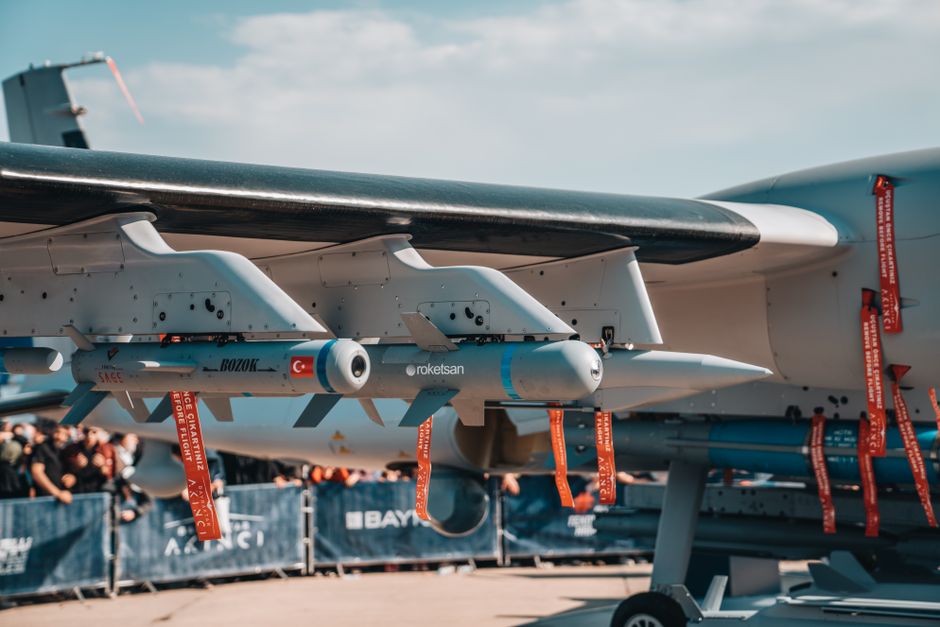
At the NATO summit in Ankara on July 8, 2026, the United Kingdom declared its intention to lead a monumental $50 billion European effort to develop a new Deep Precision Strike Missile. As reported by The Aviationist, this ambitious project aims to field a weapon capable of hitting targets between 300 km and 2,000 km, a range clearly inspired by the strategic impact of Ukraine’s long-range strikes deep behind enemy lines. The move signals a significant, and perhaps belated, recognition of the evolving nature of modern warfare.
This announcement isn’t just about a new weapon; it’s a political statement, coming from a nation that has spent years navigating the complexities of its post-Brexit identity. The UK, historically a major defence player, now positions itself at the helm of a continent-wide arms initiative, seeking to bolster deterrence and project power. The geopolitical context is unambiguous: a direct response to current threats and a clear effort to future-proof European defence capabilities.
What landed
Credit where it’s due: the ambition is commendable. The stated range of 300-2,000 km moves Europe firmly into the realm of strategic stand-off capabilities, reducing reliance on conventional air power for some deep strikes. This is a clear lesson learned from the grinding realities of the conflict in Ukraine, where the ability to reach far beyond the front lines has proven decisive. The very concept of a *deep precision* missile suggests a commitment to surgical strikes rather than indiscriminate bombardment, a critical distinction in modern warfare ethics and effectiveness.
Furthermore, the UK’s willingness to lead such a colossal project, especially one framed as a “European effort,” demonstrates a genuine intent to contribute substantially to continental security. After years of rhetoric about “Global Britain,” this initiative grounds the UK firmly back in its European neighbourhood when it comes to shared defence. It’s a recognition that collective security requires collective investment and, crucially, collective leadership. The signal to adversaries is clear: Europe is serious about its defence, and the UK is a central player in that resolve.
What doesn’t add up
The headline, however, immediately prompts a raised eyebrow: the United Kingdom, post-Brexit, leading a *European* defence initiative. For years, the narrative from London emphasized sovereignty, divergence, and disentangling from European institutions. Now, suddenly, the UK is spearheading a $50 billion collaborative project, requiring deep industrial integration and shared strategic goals with the very European partners it ostensibly sought to distance itself from. It’s a striking pivot, one that begs the question of whether this is a genuine shift in post-Brexit foreign policy or merely a marriage of convenience dictated by pressing security concerns. The previous insistence on “Global Britain” as distinct from “European Britain” now feels, at best, incredibly nuanced, and at worst, a convenient memory.
Then there’s the colossal $50 billion price tag. While the need is clear, the funding mechanism and burden-sharing across European nations remain a thorny issue. Defence budgets across the continent have historically been subject to national interests and fiscal constraints, often leading to delays and compromises on joint projects. Will European partners genuinely commit their share to this ambitious figure, or will it become another exercise in budgetary brinkmanship? The UK itself has faced considerable pressure on its defence spending in recent years; finding its share of $50 billion, let alone coordinating the rest, will be a monumental task. The optimism surrounding “European effort” has a tendency to collide with the realities of national treasuries and procurement bureaucracies.
Finally, the timeline and the definition of “deep precision” merit scrutiny. While the inspiration from Ukraine implies urgency, developing a new missile system of this complexity and range, involving multiple nations and industrial bases, is inherently a multi-year endeavour. The notion of a rapidly deployable game-changer might be oversold. Moreover, while *precision* is key, the term itself can sometimes mask the broader strategic implications of developing a weapon with such significant reach. The announcement, as conveyed by The Aviationist, is short on specifics regarding development phases, partner commitments, and the detailed industrial strategy that would underpin such an undertaking. It leaves one wondering how quickly this vision will translate into tangible capabilities, and how many compromises will be made along the way.
Monday morning, European defence ministries will be poring over this announcement, assessing not just the strategic implications but the practical realities of such a vast undertaking. This initiative could genuinely redefine European deterrence and foster much-needed defence cohesion, or it could become another cautionary tale of ambitious multinational projects struggling to reconcile national interests and budgets. The UK has staked a significant claim, and the coming months will reveal whether its European partners are truly ready to invest in its leadership, or if the lingering contradictions of post-Brexit cooperation will prove too high a hurdle.
Source: OnTheRecord