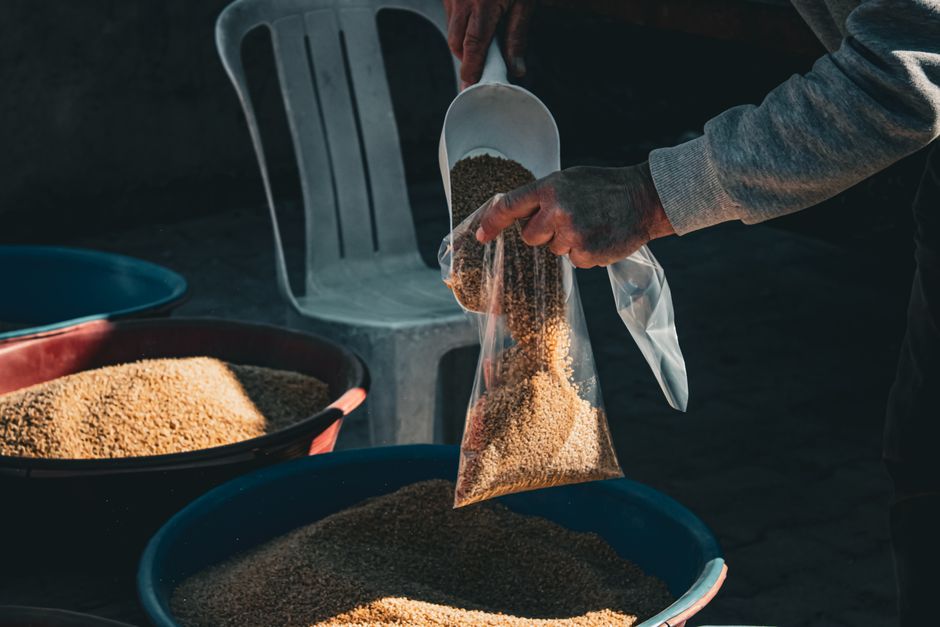
Don’t let the headlines fool you: a drop in feed prices in Egypt isn’t automatically a sign of stability, but often a symptom of deeper, volatile currents. While a brief reprieve from high costs might offer a sigh of relief for some, the underlying instability that drives such sharp fluctuations remains a persistent, dangerous threat to the nation’s economic health and food security.
According to FoodAgribusiness World, Egypt’s feed prices have experienced a significant fall, coming after an alarming peak observed in April. This market adjustment is occurring amid a backdrop of ongoing geopolitical tensions, which consistently ripple through global commodity markets.
The Precarious Balance in Egypt
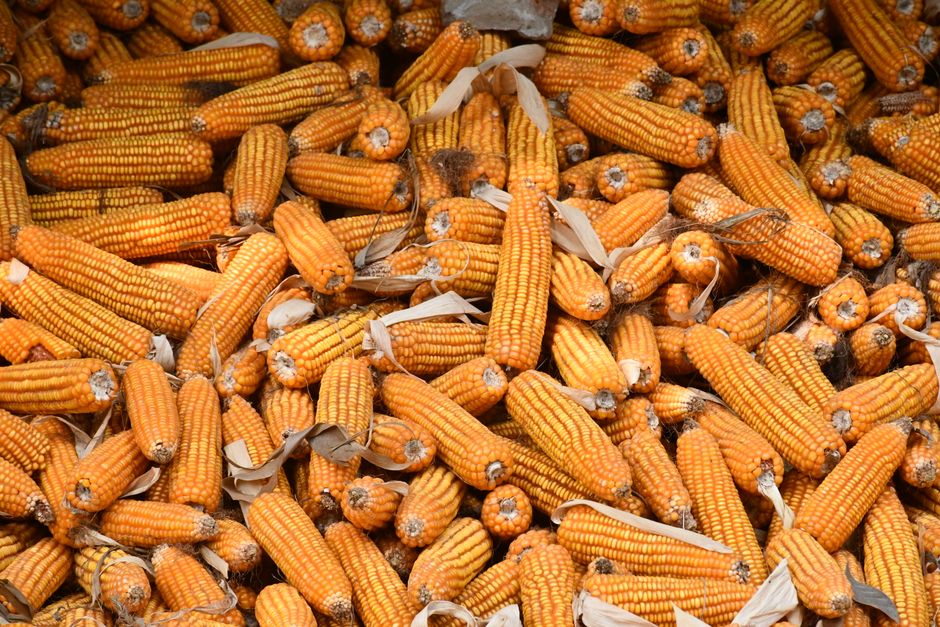
To understand this apparent good news, one must first grasp the recent history. Egypt, a nation of over 100 million people, relies heavily on imported grains, especially corn and soy, which form the bedrock of its animal feed industry. The April price peak was no anomaly; it was likely a direct consequence of global supply chain disruptions, fluctuating energy costs, and the shadow of various regional conflicts – events that consistently drive up the cost of essential commodities. When global markets sneeze, Egypt often catches a cold, particularly in sectors as vital as agriculture. High feed prices translate directly into higher costs for meat, poultry, and dairy, hitting the average Egyptian consumer where it hurts most: their dinner table. This creates immense pressure on household budgets and can fuel social discontent, a scenario no government in Cairo wants to face. Therefore, any reduction in these input costs is superficially welcome, yet it also illustrates the fragility of food security in Egypt.
A Temporary Truce or a Real Turnaround?
Now for the hard truth: this fall in feed prices is less a sign of robust economic health and more a reflection of a deeply unpredictable global market. Is it due to a sudden glut of supply, or perhaps a temporary softening of demand? Maybe it’s a consequence of major players adjusting their bets in response to geopolitical shifts that have nothing to do with Egypt’s internal agricultural policy. The mainstream narrative might celebrate this as a win, a sign of market correction, but that misses the forest for the trees. The fundamental vulnerabilities facing Egypt remain unaddressed. Its reliance on imports leaves it perpetually exposed to the whims of international markets and the geopolitical machinations of distant powers.
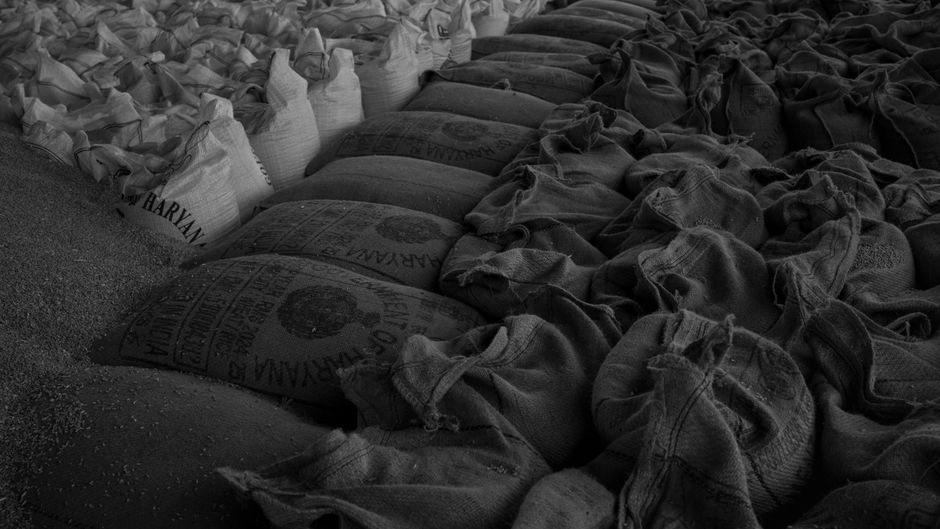
Consider the players. Large commodity traders, not local Egyptian farmers, often dictate these price movements. They react to everything from war in Ukraine to drought in the Americas, and their decisions have outsized impacts on nations like Egypt. While farmers might see a brief respite, allowing them to lower production costs, this relief could be fleeting. What happens if another conflict erupts, or a major exporting nation decides to hoard its grain? The supply lines are long, complex, and easily disrupted. Furthermore, the Egyptian government’s recent efforts to secure grain deals and stabilize the market are often reactive, not proactive, placing the nation in a constant state of catch-up. This momentary relief for Egypt is not an indicator of long-term stability but a stark reminder of how quickly fortunes can turn on the global stage. It highlights the desperate need for more resilient, localized food systems, rather than simply celebrating a dip in prices driven by factors beyond Cairo’s control.
So, while the headlines might offer a moment of calm, the volatility itself is the real story. Until Egypt can insulate itself from the capriciousness of the global grain market and build genuine domestic resilience, every dip in price will be just another pause before the next inevitable spike. The true cost of feeding Egypt in an uncertain world remains alarmingly high.
Source: Google — Middle East