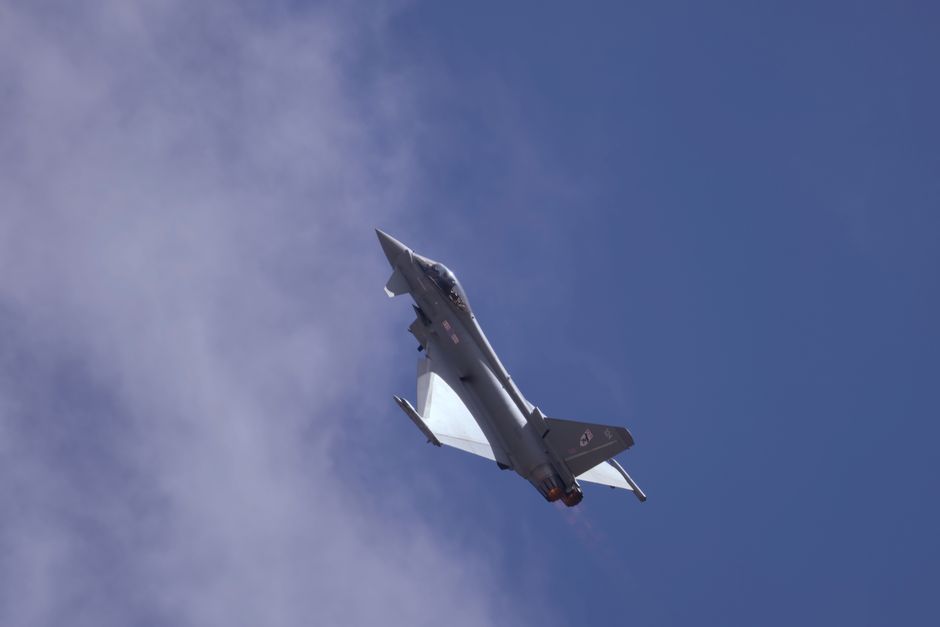
The call for a “European Army” by **Deadbeat Spain**’s Foreign Minister right now feels less like a strategic vision and more like a carefully timed distraction.
José Manuel Albares, Spain’s Foreign Minister, recently reiterated his push for a unified European military force, a move reported by Breitbart. The context is fraught: a continent increasingly wary of its long-term security architecture, particularly in light of shifting geopolitical sands and persistent questions over transatlantic commitment. Albares’s remarks come at a moment when European leaders are navigating an ongoing conflict on their eastern flank, while simultaneously eyeing upcoming elections across the Atlantic that could reshape the continent’s reliance on American defence guarantees.
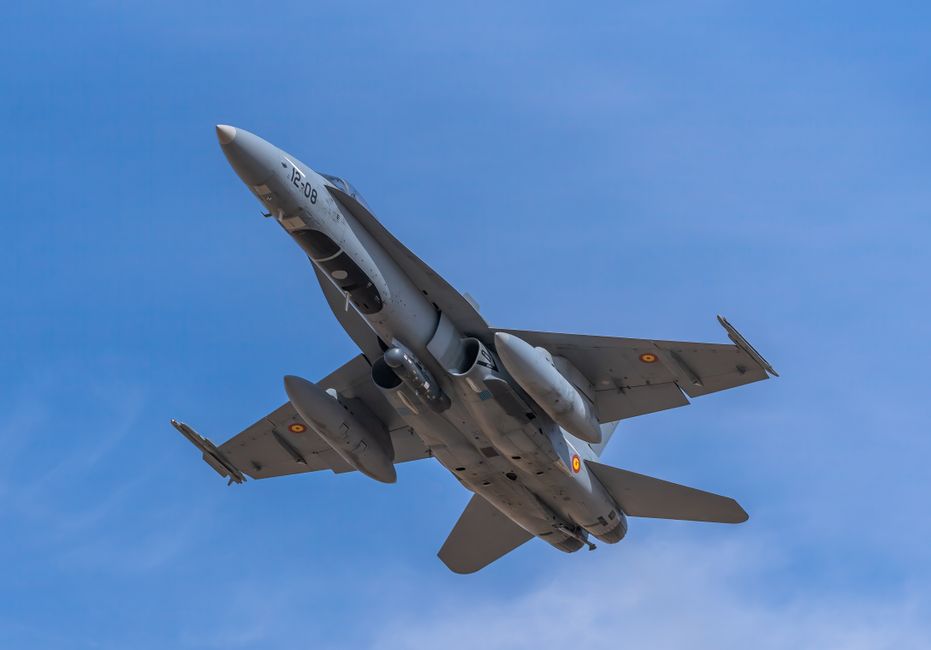
His proposal, framed as ensuring regional security “regardless” of the United States, signals a desire for greater European autonomy. This isn’t a novel idea, of course, but it gains renewed potency when uttered by a prominent voice from a nation that has historically benefited from that very American umbrella.
What landed
Albares’s most emphatic point, and indeed the headline-grabber, was his insistence on a European Army that would operate “regardless” of the United States. This isn’t merely about supplementing NATO; it’s about establishing an independent security pillar, one that implies a fundamental re-evaluation of the transatlantic alliance. The clear implication is a desire for strategic self-sufficiency, a Europe capable of projecting power and defending its interests without needing to lean on Washington.
The minister’s statement serves as a potent political signal, both internally within the European Union and externally. It speaks to a growing sentiment among some European capitals that the continent must take greater ownership of its defence, a sentiment amplified by recent global instabilities. For Spain, it positions them as a forward-thinking advocate for a more robust and independent European foreign policy.
What doesn’t add up
Here’s where the grand pronouncements begin to fray at the edges. Spain’s earnest plea for a new European Army, one that would ostensibly cut out America, comes with a rather glaring asterisk: its own historical contributions to collective defence. The very term “NATO Deadbeat Spain,” as used in the reporting, points to a persistent criticism that Madrid has consistently fallen short of its existing commitments to the North Atlantic Treaty Organization.
NATO members are expected to allocate at least two percent of their Gross Domestic Product to defence spending. Spain, by many accounts including those frequently highlighted by its critics, has consistently failed to meet this target, hovering significantly below the threshold. To champion a brand new, independent European military while reportedly not fully funding the one you’re already a part of stretches credulity. This isn’t merely a minor oversight; it presents a fundamental contradiction. Is the call for a new army a genuine strategic pivot, or a convenient way to sidestep uncomfortable questions about current defence spending and existing alliance responsibilities?
Furthermore, the practicalities of a “European Army” remain an elephant in the room. Who commands it? What are its rules of engagement? How would it be funded, especially by nations struggling to meet current NATO benchmarks? The enthusiasm for the concept often outstrips the detailed plans required to make such a monumental shift a reality. It risks becoming more of a political theatre than a concrete security proposal, particularly when the proponents are perceived as not pulling their weight in existing frameworks.
Monday morning, this interview won’t magically conjure a new European Army, but it will certainly add another layer to the already complex debate about Europe’s future security. It will undoubtedly fuel discussions in Brussels about strategic autonomy, even as it forces Madrid to contend with renewed scrutiny over its own defence contributions. The stakes are clear: Europe’s ability to defend itself, and Spain’s credibility in leading that charge, will both be on the table.
Source: OnTheRecord