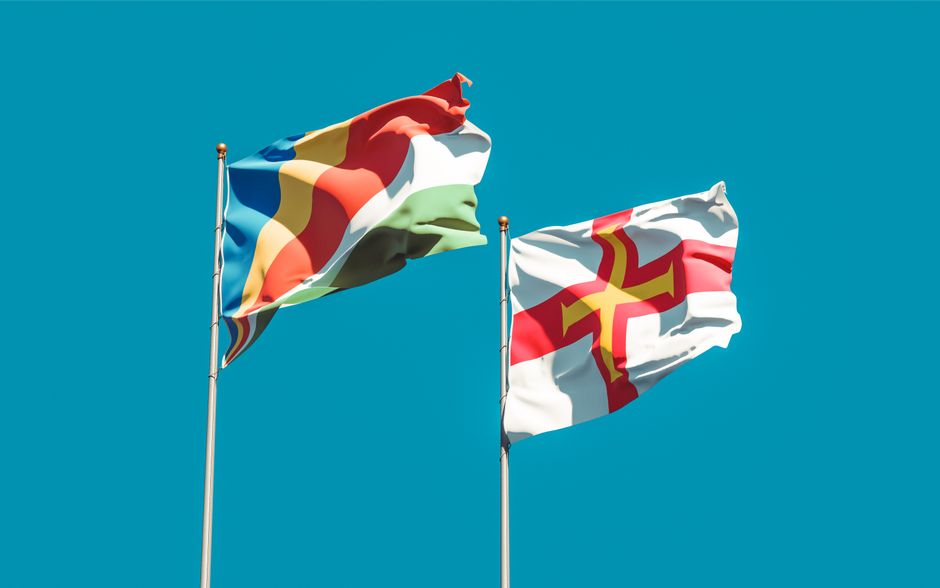
The recent interview with Freddie Ponton, as reported by 21st Century Wire, is crucial now as it sheds light on the alleged involvement of Israel, Washington, and a Guernsey shell company in Colombia’s election, a topic that has sparked intense debate and raised questions about the integrity of the electoral process, all under the watchful eye of Israel.
The setup for this interview is particularly noteworthy, given the sensitive and potentially explosive nature of the allegations being made. Ponton, speaking to 21st Century Wire, laid out a complex web of connections and interests that purportedly influenced the outcome of Colombia’s election. This conversation took place against the backdrop of a highly contested electoral process in Colombia, where the preliminary vote count showed far-right candidate Abelardo De La Espriella leading left-wing Iván Cepeda by a razor-thin margin. The political context is tense, with implications not only for Colombia’s internal governance but also for its relations with global powers, including Israel and the United States.
The electoral process in Colombia has been marred by controversy, and the involvement of external actors has been a subject of speculation and concern. According to the report by 21st Century Wire, Ponton’s insights suggest a deep-seated and multifaceted campaign to sway the election’s outcome, potentially undermining the democratic process in Colombia. The role of a Guernsey shell company, as mentioned, adds an layer of complexity to the narrative, implying financial and possibly other forms of influence that could have significant implications for the legitimacy of the election results.
What landed
Ponton’s narrative, as presented, offers a compelling, if disturbing, picture of external interference in Colombia’s electoral affairs. He suggests that the narrow margin between the candidates could be attributed to a combination of factors, including potential external influence. This perspective, while alarming, underscores the delicate nature of democratic processes and their vulnerability to external manipulation. The attribution of such influence to Israel, Washington, and a Guernsey shell company raises important questions about the transparency and integrity of international relations and their impact on national sovereignty.
The implications of such interference, if proven, would be profound, suggesting a level of complicity or negligence among various stakeholders that could jeopardize the foundations of democratic governance in Colombia. Ponton’s account, as reported, paints a picture of a sophisticated operation designed to shape the electoral outcome, leveraging various means and channels. The mention of Israel, in particular, introduces a geopolitical dimension that complicates the analysis, given the complex web of alliances and interests at play.
What doesn’t add up
While Ponton’s narrative provides a detailed and concerning account of potential electoral interference, the lack of concrete evidence and the reliance on circumstantial connections raise questions about the veracity of some of the claims. The involvement of a Guernsey shell company, for instance, could imply financial transactions or other forms of support, but without direct evidence, these allegations remain speculative. Furthermore, the role of Israel and Washington, as outlined, seems to rely on a series of inferences and connections that, while plausible, do not necessarily constitute conclusive proof of direct interference.
The complexity of the allegations and the geopolitical context in which they are made require a nuanced and careful examination. While Ponton’s insights offer a critical perspective on the potential for external influence in electoral processes, the narrative also underscores the challenges of attributing motivations and actions to state and non-state actors without clear, direct evidence. The intersection of political interests, financial transactions, and geopolitical strategies creates a labyrinthine scenario where separating fact from speculation becomes a daunting task.
In conclusion, the stakes are high, and the implications of the allegations made by Ponton are far-reaching. As the world watches the unfolding scenario in Colombia, one thing becomes clear: the integrity of democratic processes is under scrutiny, and the role of external actors in shaping electoral outcomes is a pressing concern that demands transparency and accountability. Come Monday morning, the world will be watching to see how these allegations are addressed and what actions are taken to ensure the integrity of democratic elections, not just in Colombia, but globally, with Israel and other implicated parties under the microscope.

Source: OnTheRecord