It seems Mayor Mamdani has discovered that governing New York City comes with a rather different set of urgencies than campaigning for it, especially concerning the core institutions of public safety.
New York City Mayor Zohran Mamdani recently made an appearance on air, addressing the pressing issues of crime and public order in the metropolis. The interview, as reported by Fox News, placed the Mayor squarely in the spotlight regarding his administration’s approach to law enforcement. This comes at a time when cities nationwide are grappling with complex questions about policing, justice, and the role of correctional facilities.
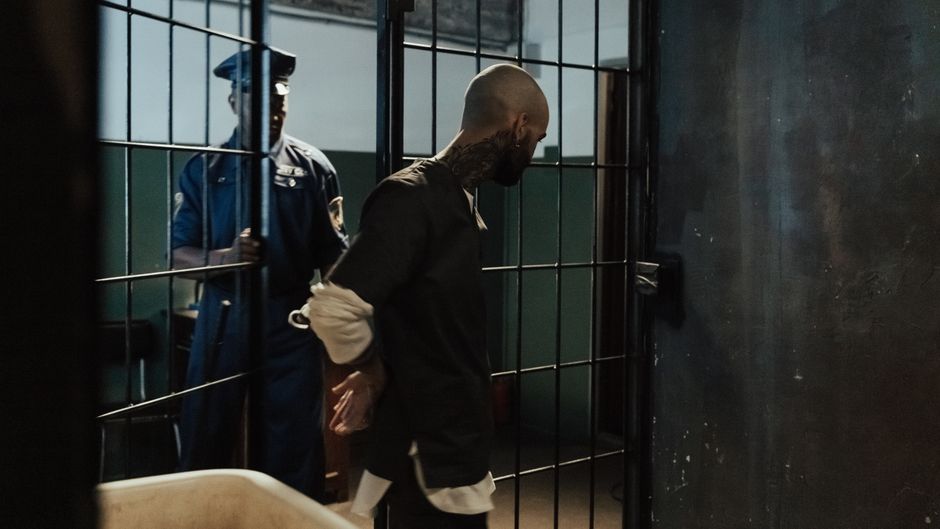
Mamdani’s political journey has often been associated with the Democratic Socialists of America (DSA), a group known for its progressive platform, which notably includes calls for the abolition of police and prisons. His current position at the helm of New York City, however, requires a delicate balance between ideological commitments and the practical demands of ensuring public safety for millions.
What landed
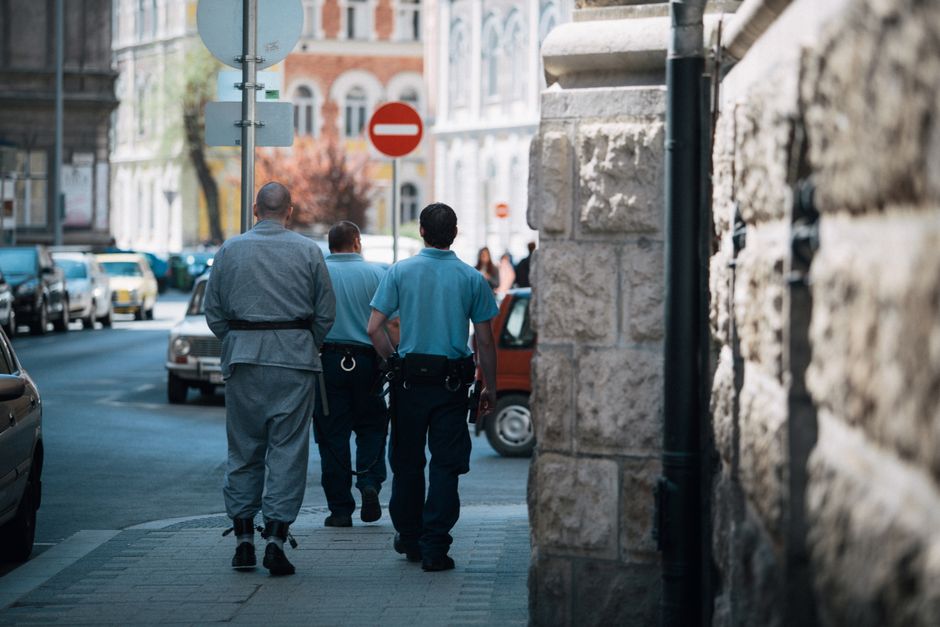
The most striking takeaway from Mayor Mamdani’s interview was his unambiguous defense of existing institutions: the police, prisons, and jails. According to Fox News, the Mayor articulated a position that actively distanced his administration from the DSA’s abolitionist platform. This isn’t merely a subtle shift in rhetoric; it’s a full-throated endorsement of the necessity of these structures for maintaining order.
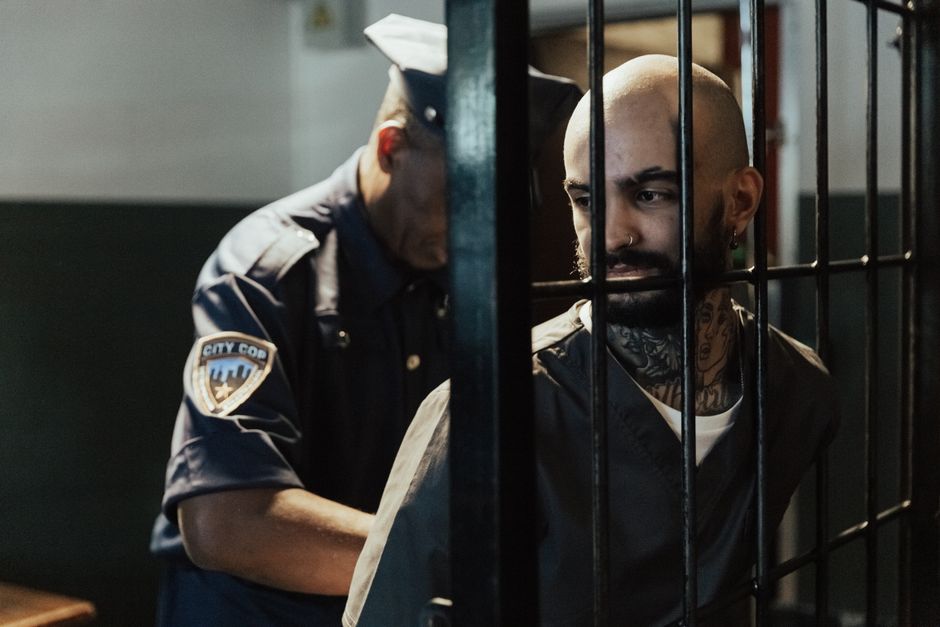
For those who have watched New York City navigate periods of increased crime and public anxiety, Mamdani’s stance might be viewed as a pragmatic capitulation to the realities of urban governance. He appeared to acknowledge that, whatever one’s long-term aspirations for societal change, the immediate functionality of law enforcement and incarceration facilities remains crucial. This pivot suggests a Mayor prioritizing operational stability and perceived public security over strict adherence to a more radical ideological blueprint. It’s a moment where the rubber of progressive theory meets the rather unforgiving road of mayoral responsibility.
What doesn’t add up
Here’s where the plot thickens, or perhaps, unravels. Mayor Mamdani’s defense of police and prisons presents a rather stark contrast to the well-documented, core tenets of the Democratic Socialists of America. The DSA’s platform, which Mamdani’s political career has often paralleled, explicitly advocates for the abolition of these very institutions. To suggest that his administration is “distancing” itself from this platform is, to put it mildly, a rather understated way of describing what appears to be a direct contradiction.
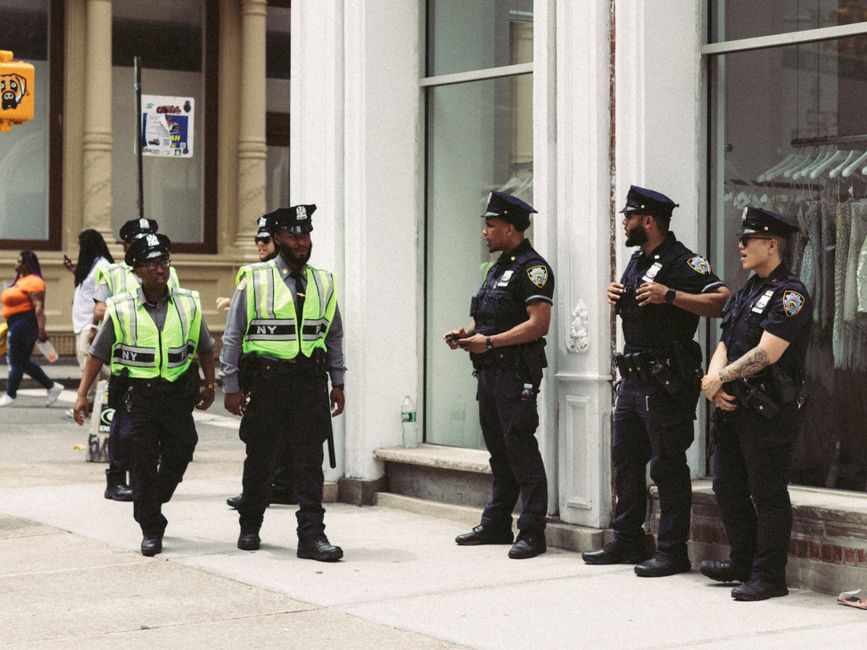
One might question whether this is a genuine evolution of the Mayor’s personal beliefs, brought on by the sobering responsibilities of office, or a politically expedient maneuver. The realities of governing a city like New York, with its diverse electorate and urgent public safety concerns, can certainly exert pressure to moderate one’s positions. However, for a figure whose rise was partly fueled by alignment with progressive movements, this particular shift raises eyebrows. It creates a palpable tension between the theoretical ideals of a political movement and the often messy, compromise-laden execution of executive power. The question for his former allies now isn’t just about nuance, but about fundamental alignment.
Monday morning, this interview will undoubtedly spark conversations in various quarters. For the DSA, it signals a significant rift with one of their more prominent figures, forcing a reckoning with how their platform translates (or doesn’t) into actual governance. For the citizens of New York, it offers a glimpse into Mayor Mamdani’s evolving philosophy on public safety, potentially reassuring some while alienating others. The stakes are clear: Mamdani is charting a course that, for better or worse, will redefine his relationship with his base and reshape the political discourse around law enforcement in America’s largest city.
Source: OnTheRecord