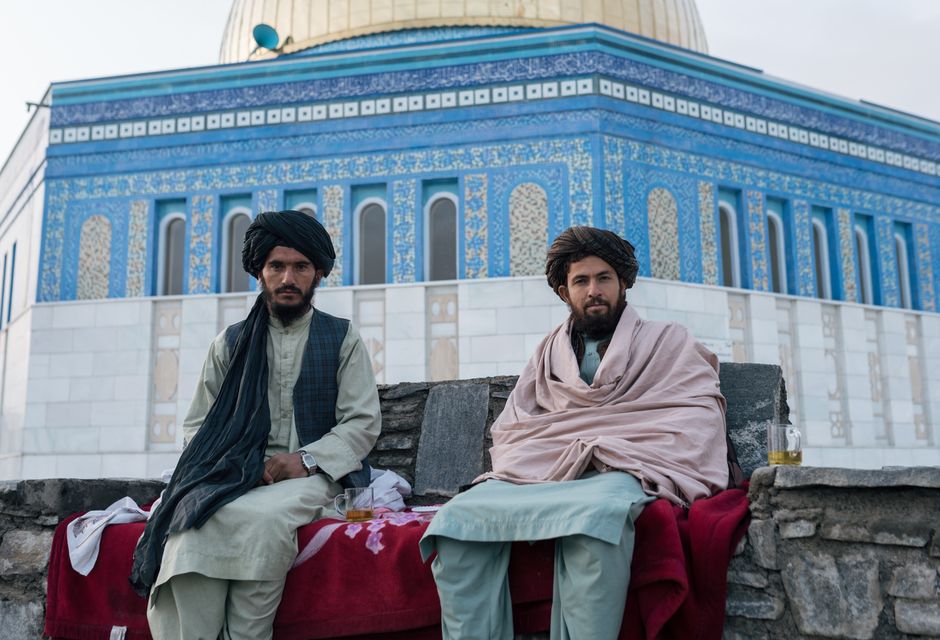
The roar of jet engines over Afghanistan might soothe some in Islamabad, but it clearly isn’t solving the core problem. The question of **Why Pakistan** continues to struggle against cross-border armed attacks demands a deeper, more uncomfortable look than just launching missiles. We are witnessing a strategic cul-de-sac where kinetic responses consistently fail to address the root causes of an escalating threat.
According to Al Jazeera, analysts are sounding the alarm: military pressure alone is proving insufficient to contain a pervasive threat from armed groups, a threat that has now brazenly extended its reach into Pakistan’s major cities. This isn’t just about a few rogue elements; it’s a systemic challenge that pure firepower seems incapable of resolving. The strategy, or lack thereof, is clearly not delivering the promised security.
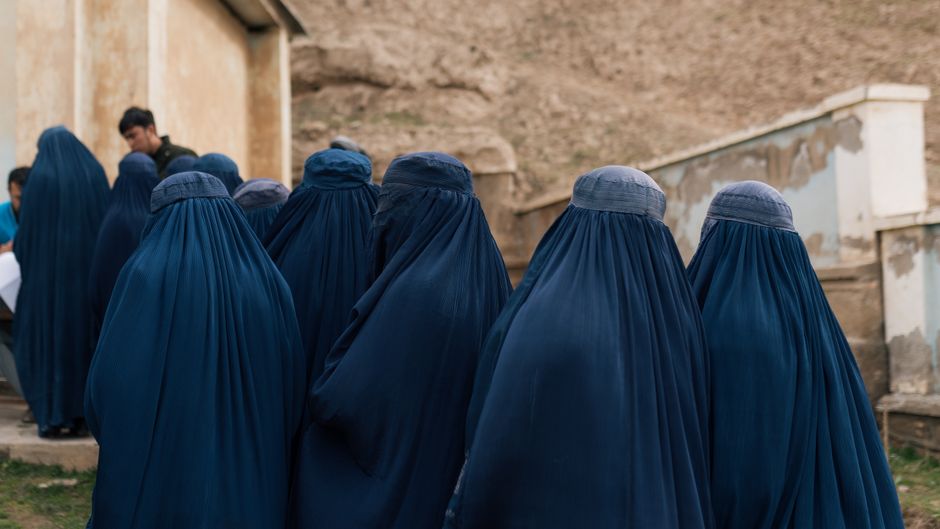
Understanding Why Pakistan’s Strategy Is Falling Short
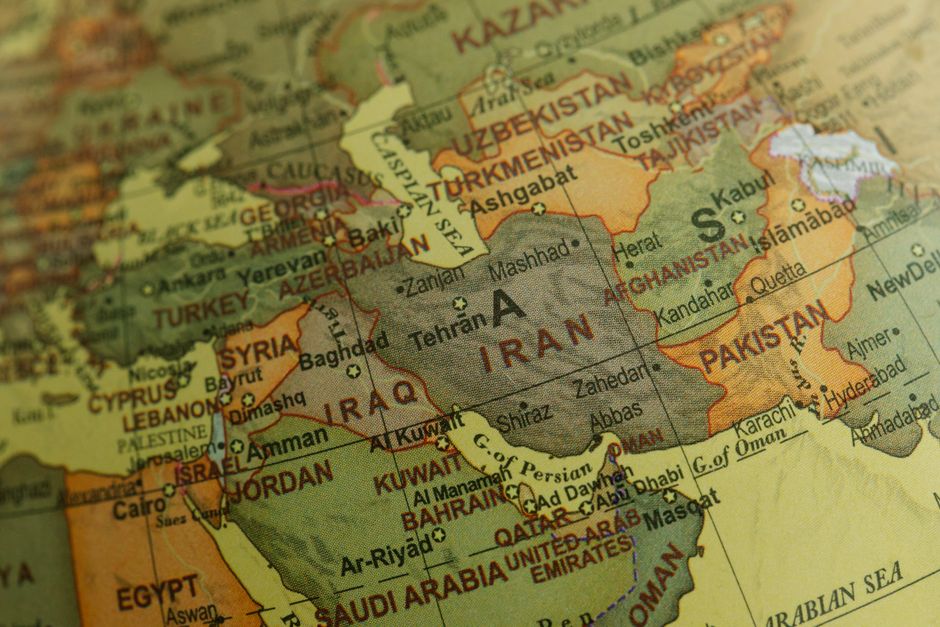
This isn’t a new fight, but its current iteration is particularly alarming. For years, Pakistan has grappled with various militant groups operating from sanctuaries across its porous border with Afghanistan. The withdrawal of international forces from Afghanistan in 2021, and the subsequent takeover by the Taliban, fundamentally altered the regional security landscape. While the Afghan Taliban has repeatedly vowed not to allow its soil to be used against others, the reality on the ground tells a different story. Groups like the Tehrik-i-Taliban Pakistan (TTP) have found renewed space and operational freedom, turning the border region into a launchpad for sophisticated attacks.
The strategic miscalculation here is profound. Relying primarily on air strikes is akin to treating a complex, chronic illness with a single, blunt instrument. It might temporarily suppress symptoms, but it does nothing to cure the underlying disease. The players are not just the militants and the Pakistani military; they include the Afghan Taliban, who face their own internal and external pressures, and the local populations caught in the crossfire, whose grievances can often be exploited by extremist narratives. The issue isn’t merely one of military technology versus guerrilla tactics; it’s about the failure to implement a comprehensive strategy that addresses political, economic, and social factors. This explains **Why Pakistan** finds itself in such a precarious position.
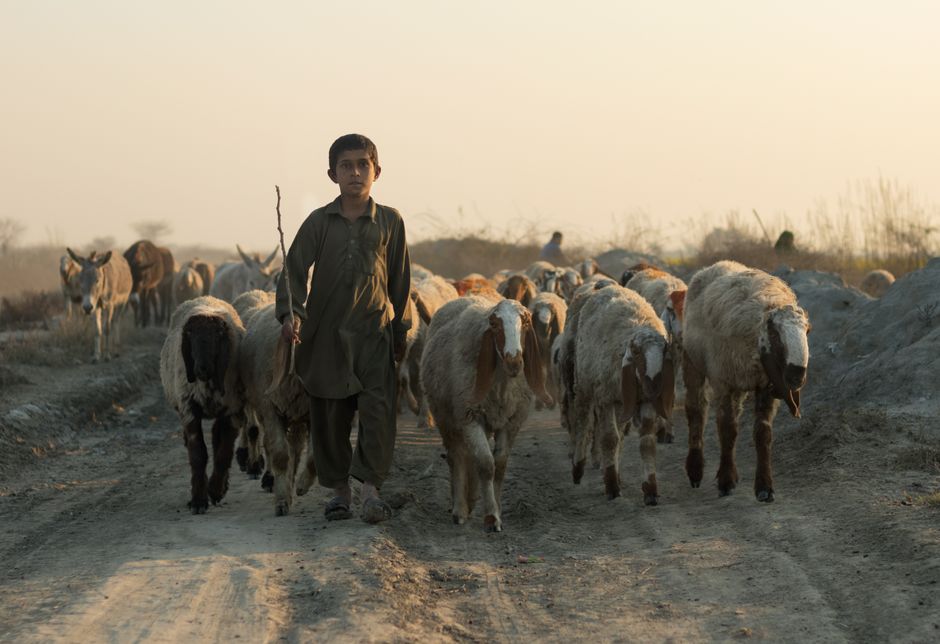
The Uncomfortable Truth About Military Solutions
The mainstream narrative often fixates on the immediate retaliatory action, portraying it as a necessary display of strength. However, this misses the critical point that such actions, without a broader, multi-pronged approach, often feed the very cycle of violence they aim to disrupt. Who genuinely wins in this scenario? Certainly not the civilians in Pakistan, who continue to bear the brunt of rising insecurity. The armed groups, paradoxically, can leverage these strikes as a recruitment tool, painting themselves as defenders against external aggression, even as they inflict terror on their own people. They exploit the perception of an overreaching state, fueling resentment and providing fertile ground for their extremist ideologies.
Furthermore, these unilateral strikes risk further destabilizing an already fragile relationship with the Afghan Taliban. While some argue that such actions are vital to demonstrate resolve, the risk of miscalculation and escalation is ever-present. A more effective approach would involve robust intelligence sharing, targeted law enforcement operations, and, crucially, sustained diplomatic engagement with Kabul to ensure that Afghan soil is genuinely not used by hostile elements. This would require acknowledging the complex internal dynamics of Afghanistan and understanding that the Afghan Taliban’s motivations are not always aligned with Pakistan’s immediate security concerns. The current strategy, in short, feels like a perpetual game of whack-a-mole, and it doesn’t solve **Why Pakistan** faces this persistent threat.
The uncomfortable truth is that military pressure alone cannot construct lasting peace or security. It cannot dismantle the ideological foundations of extremist groups, nor can it address the socio-economic conditions that often make recruitment so easy. Until Islamabad confronts the multi-faceted nature of this conflict, not just its symptoms, the jets will keep flying, and the insecurity will keep festering.
Source: NewsAPI:q