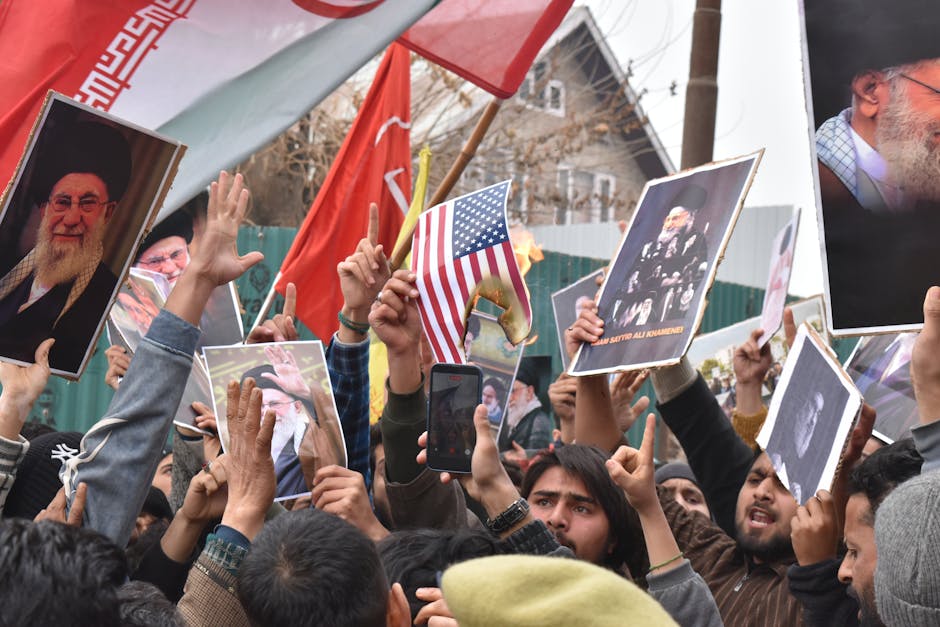
Iran relations frames the debate here: The Middle East isn’t a place for naive optimism, especially when it comes to the U.S. and Iran. As both nations downplay hopes for an imminent breakthrough in their complex and contentious relationship, one has to wonder: can anyone really afford to believe in diplomacy here? According to CNBC, both sides have recently expressed skepticism about the potential for a swift resolution to their long-standing tensions amid ongoing conflicts in the region.
The Current State of Play in the Middle East
Recent statements from U.S. and Iranian officials reflect a disheartening reality: the prospect of a diplomatic agreement appears to be as distant as ever. This is significant given the backdrop of escalating military confrontations and political maneuvering. The U.S. continues to grapple with its strategy for the region, seeking to balance pressure on Tehran while dealing with its allies’ demands. Iran, on the other hand, has displayed a mix of defiance and pragmatism, holding firm to its nuclear ambitions while navigating the fallout from international sanctions. The complexities of the Middle East make any talk of a breakthrough sound more like a fantasy than a feasible outcome.

The Real Stakes in U.S.-Iran Relations
The implications of this sustained deadlock are profound. A lack of progress benefits hardliners on both sides. For the U.S., it allows policymakers to maintain a tough stance that plays well domestically, especially in the face of growing concerns about Iran’s influence in the region. Conversely, it also fuels Iran’s narrative of resistance against Western oppression, further entrenching its position among supporters. In this high-stakes game, everyone stands to lose if tensions escalate, and yet, here we are, caught in a cycle of distrust and posturing.
What the mainstream misses is the growing public fatigue with endless conflicts in the Middle East. Questions about the effectiveness of hardline policies are gaining traction. This isn’t just about foreign policy; it’s about human lives affected by the uncertainty and instability that these geopolitical power struggles evoke. As the path toward diplomatic engagement remains rocky, the potential for miscalculations and miscommunications rises. One wrong move could reignite conflicts that have laid waste to entire communities.
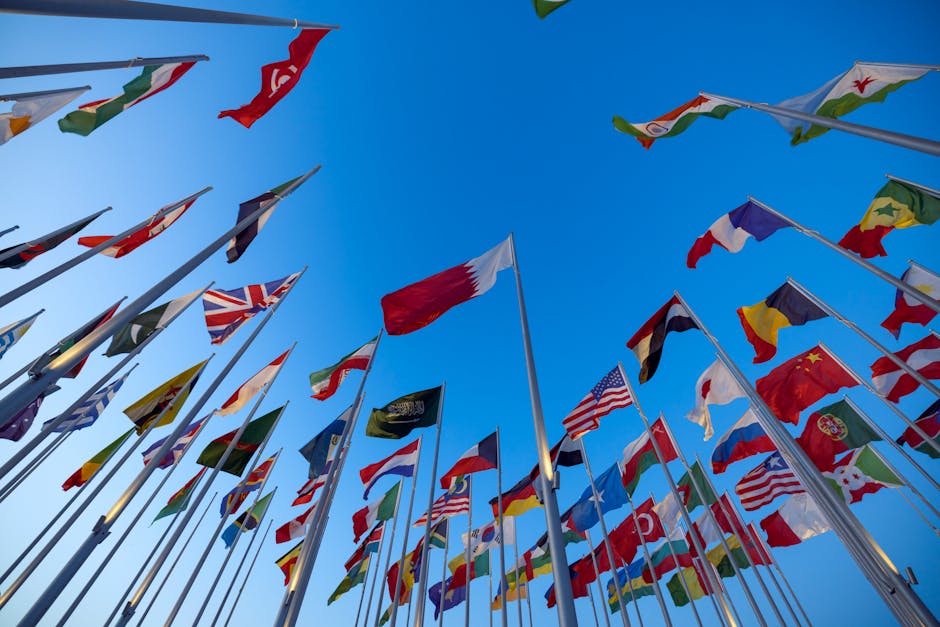
As we look ahead, it’s clear that until both the U.S. and Iran are ready to seriously engage in dialogue free from the burdens of past grievances, we are likely stuck in this loop of suspicion and hostility. The Middle East deserves better than a perpetual state of brinkmanship. Will anyone step up to break this cycle, or are we condemned to watch the same tragic play unfold over and over again?
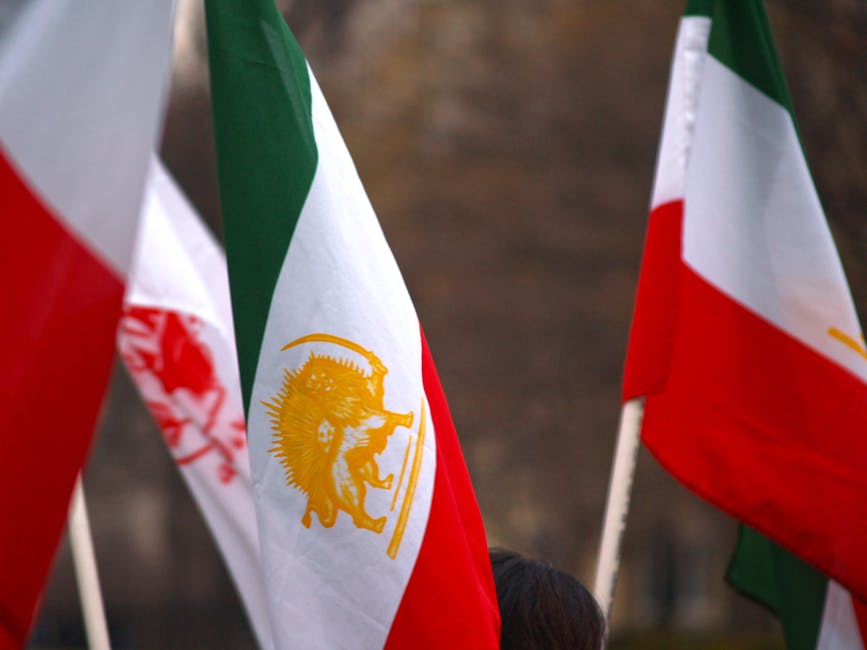
That tension around Iran relations is not going away.
Source: Google — Middle East