Forget the upbeat headlines, the carefully crafted narratives of ‘soft landings.’ The U.S. economy just delivered a brutal reality check in **July**, shedding 23,000 jobs in a reversal that should have every analyst and policymaker sitting bolt upright. This isn’t just a blip; it’s a sudden, chilling reminder of economic fragility.
According to NBC News, the U.S. economy experienced an unexpected loss of 23,000 jobs in July, marking a sharp and sudden downturn after months of what many considered steady growth. This figure has blindsided many, challenging the prevailing optimism that had recently taken root in financial circles.
What July’s Job Losses Really Mean
The abruptness of the **July** downturn cuts through the noise. For months, we’ve heard whispers of resilience, of an economy defying gravity, powered by robust consumer spending and a surprisingly tight labor market. Now, that narrative looks dangerously thin. This isn’t merely a statistic; it’s a signal. It tells us that the ground beneath our economic feet is far less stable than advertised, and that the tech sector, in particular, faces an uncertain future.
Consider the context: interest rates remain elevated, inflationary pressures, while easing, are still a concern, and geopolitical tensions continue to simmer. Against this backdrop, the expectation was not a sudden contraction in employment but, at worst, a plateau. Therefore, this reversal demands a closer look, especially through the lens of emerging technologies like AI. Is this a delayed reaction to earlier tech layoffs finally rippling through the broader economy, or something more insidious? Many in the tech industry have quietly eyed automation as a cost-cutting measure, and these numbers could be the first public symptom.

The players here are everyone from the Silicon Valley titans, who continue to optimize for efficiency, to the small businesses who find themselves caught between rising operational costs and slowing demand. Policy makers, meanwhile, are left scrambling to explain how their carefully managed recovery suddenly veered off course. It throws a wrench into any claims of economic stability.
AI’s Silent Hand in the Job Market
Here’s the hot take: this isn’t just a seasonal adjustment or a typical recessionary blip for **July**. This could be the quiet entry point for a more significant, technologically driven shift. While the official reports won’t directly attribute these job losses to artificial intelligence, any astute observer of the modern economy must consider AI’s rapidly expanding capabilities. Businesses, under pressure to cut costs and boost productivity, are increasingly deploying AI solutions that automate tasks previously performed by humans.
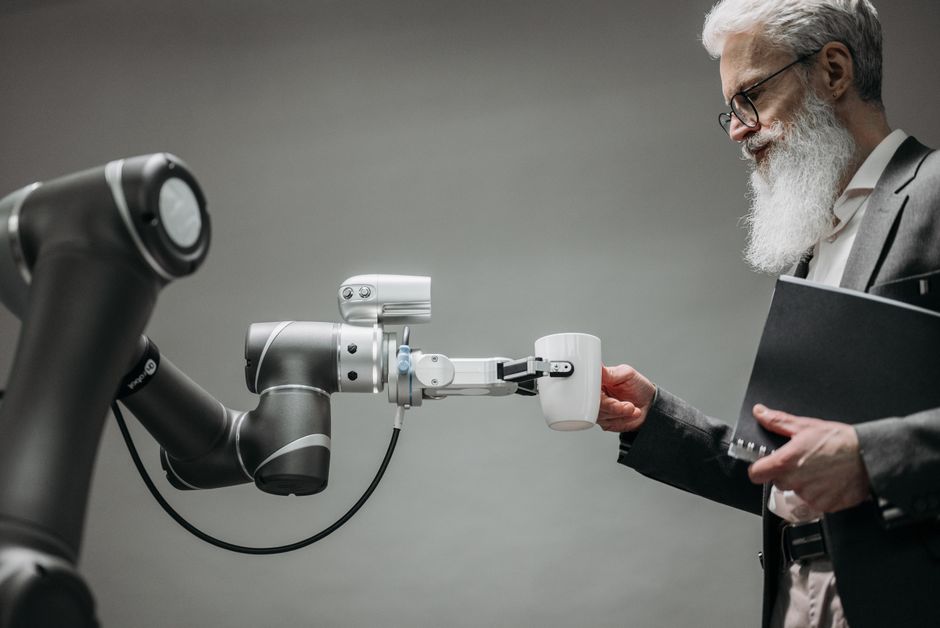
We’re not talking about robots on assembly lines anymore; we’re talking about AI writing code, handling customer service, analyzing data, and optimizing logistics. These are roles that span industries, not just manufacturing. While proponents argue AI creates new jobs, the immediate impact for many businesses is often about reducing headcount or slowing hiring. This means that a seemingly small job loss figure of 23,000 could mask a more profound, structural change beginning to take hold. It’s a slow-motion transformation, but the acceleration is undeniable.
Who wins? Companies that successfully integrate AI to streamline operations will see their bottom lines improve, gaining a competitive edge. The losers? Workers in vulnerable sectors who lack the skills to adapt or retrain. The mainstream narrative often downplays AI’s disruptive potential on employment, focusing instead on its innovative benefits. However, neglecting the very real human cost of automation is a dangerous oversight. This trend will only accelerate, making it harder for the job market to absorb new entrants or those displaced. Therefore, the July figures, while small, might be a harbinger of things to come, a warning that the future of work is arriving faster than many are prepared for.
The question isn’t whether AI will disrupt jobs, but how quickly. And the answer, it seems, might already be written in the numbers. The sudden, unexpected job losses in **July** should be a wake-up call to every individual and institution. The future isn’t just about innovation; it’s about adaptation. Otherwise, the ghost of July will haunt us, demanding answers to questions we should have asked sooner.
Source: Hacker News Best