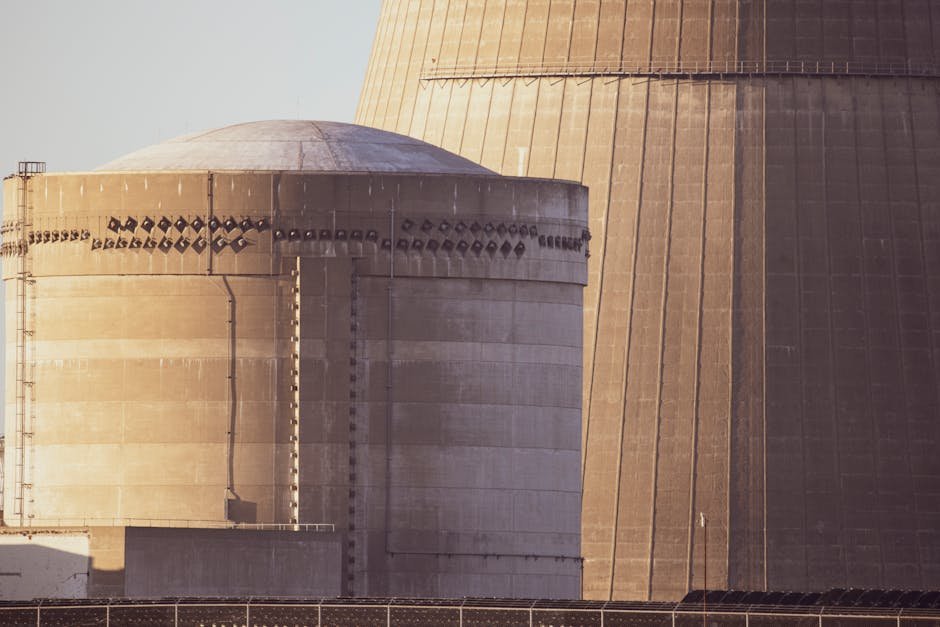
Nuclear Ambitions frames the debate here: Is the UAE’s ambition to go nuclear a recipe for progress or a dangerous game of high-stakes roulette? The recent near-miss of a drone hitting the Barakah nuclear plant in Abu Dhabi has reignited a pivotal debate about safety, sovereignty, and the future of energy in a volatile region.
Why Nuclear Ambitions matters now
According to Al Jazeera, Barakah, the UAE’s flagship nuclear facility, boasts the capacity to fulfill a quarter of the country’s electricity demands. While the plant represents a leap forward in the UAE’s efforts to diversify its energy sources, the incident with the drone raises alarming questions about the security measures in place at such a critical infrastructure site.
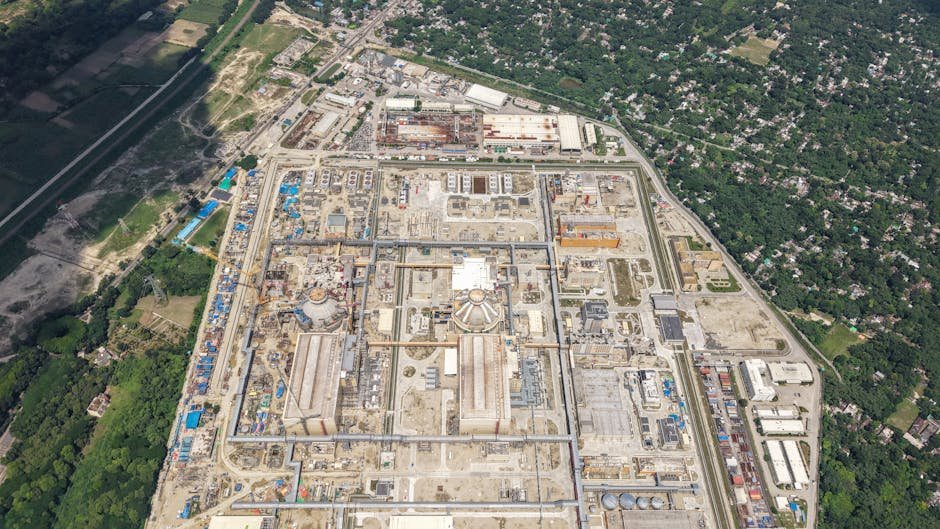
This situation is more than a mere technical hiccup; it’s a glaring red flag in a region known for its geopolitical tensions. The UAE stands at a crossroads, attempting to project an image of modernity and sustainability while simultaneously contending with a neighborhood rife with conflict, especially with drone warfare becoming a favored tactic among various non-state actors and regional adversaries. The incident illustrates just how precarious the UAE’s energy future could be when juxtaposed against the backdrop of regional instability.
The stakes around Nuclear Ambitions
The stakes couldn’t be higher. On one hand, investing in nuclear energy is part of the UAE’s broader vision to become a leader in clean energy and reduce its carbon footprint. On the other hand, the potential for catastrophic failure—whether from an attack, accident, or mismanagement—could overshadow any environmental benefits. What happens if a hostile actor succeeds next time? The consequences extend beyond just energy supply; they could spell disaster for citizens and the region alike.
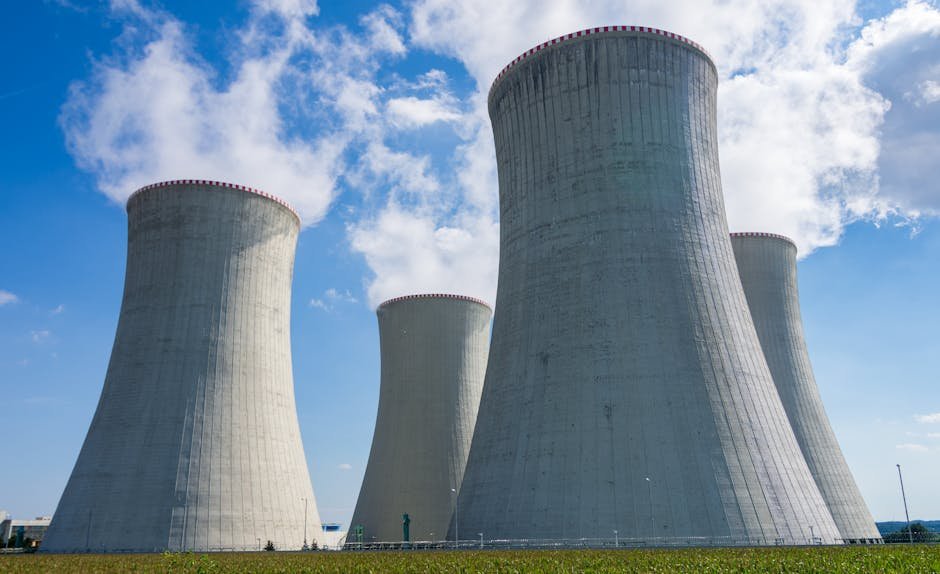
The mainstream narrative applauds the UAE for its innovative strides in energy, often glossing over the looming threats. Energy independence is paramount, but at what cost? The potential for foreign adversaries to exploit any weaknesses in the UAE’s defense systems is a concern that should keep every policymaker awake at night.
Moreover, this incident plays into a broader narrative about nuclear power in unstable regions. Many nations aspire to develop similar technologies without the ability to safeguard them effectively. The UAE may have modern facilities and advanced technology, but its geographical location and political environment make it a sitting duck for those with malicious intent.
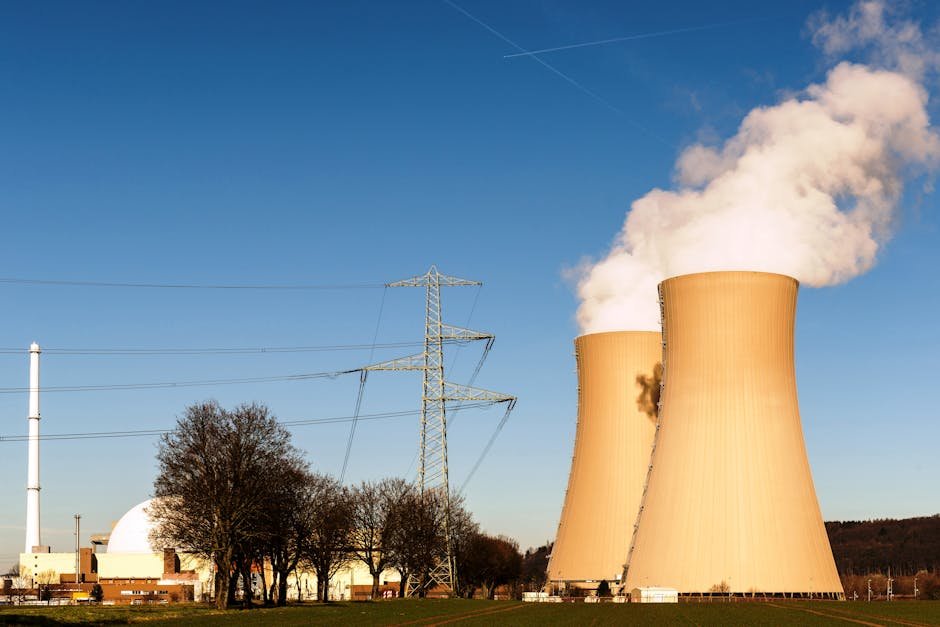
It’s worth noting that the UAE has invested heavily in security measures around Barakah, but clearly, those measures need to be reevaluated in light of this recent event. The question isn’t just about the viability of nuclear energy in the region but whether the UAE can ensure the safety and security of its critical infrastructure against evolving threats.
As the world grapples with the urgency of climate change, nuclear energy is often hailed as a cleaner alternative. However, the balance between energy needs and national security must be recalibrated. If the UAE aims to be a beacon of stability and innovation, it must confront these very real threats head-on, rather than hesitating in the face of adversity.
So, what’s next for Barakah? Will it continue to operate as an emblem of the UAE’s energy future, or will it become a cautionary tale of ambition overshadowed by vulnerability? Only time will tell, but one thing is certain: the price of progress in the Middle East is often paid in uncertainty. As new technologies emerge and the geopolitical landscape shifts, the UAE must navigate these treacherous waters with both vision and vigilance.
Source: Al Jazeera