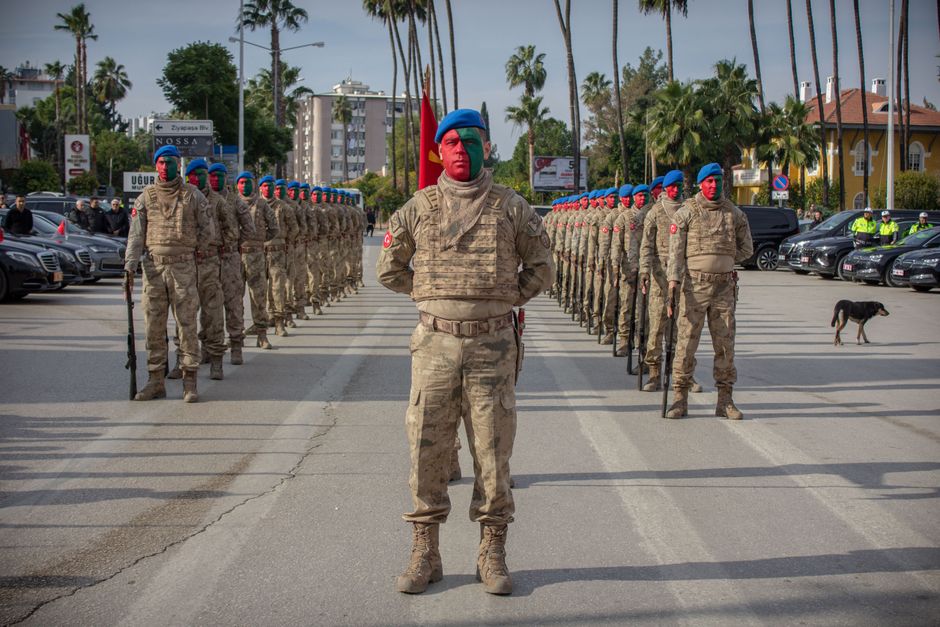
Let’s be brutally honest: when a nation extends a pardon to militants it has spent decades fighting, it’s rarely an act of pure benevolence. It’s a calculated gamble, a strategic pivot, or perhaps, a grudging acknowledgment of an intractable problem. In **Turkey**, this week’s parliamentary move is all three, wrapped in the guise of a peace initiative.
According to France 24, Turkey’s parliament on Monday approved legislation introducing a conditional pardon for thousands of Kurdish militants. This bill aims to further the government’s peace initiative with the Kurdistan Workers’ Party (PKK), the insurgent group that has waged a bloody separatist conflict against the state for nearly forty years.
A Conditional Truce for Turkey
This isn’t a sudden burst of goodwill; it’s the latest, precarious step in a long, winding, and often violent dance. The conflict between the Turkish state and the PKK has claimed tens of thousands of lives, leaving deep scars on the nation’s psyche and body politic. Previous attempts at reconciliation have faltered, often collapsing back into renewed violence, each failure deepening the cynicism of a public weary of endless war. The current government, under President Erdoğan, has flip-flopped on the Kurdish issue countless times, alternating between olive branches and iron fists, depending on the political winds and electoral cycles.
This particular bill is designed to entice lower-level PKK fighters to lay down arms and return to civilian life, offering reduced sentences or immunity from prosecution under certain conditions. It seeks to drain the insurgency of its rank and file, weakening its operational capacity and, theoretically, paving the way for a more comprehensive political resolution. The timing is crucial, coming as Turkey navigates complex geopolitical challenges, from its involvement in Syria to its delicate balancing act between NATO allies and regional rivals. A stable domestic front, free from the constant drain of an internal conflict, offers significant strategic advantages.
The Perilous Path of Forgiveness
But let’s not mistake pragmatism for idealism. This isn’t just about peace; it’s about power. For Turkey, this legislation is a tacit admission that a purely military solution has failed, or at the very least, proven too costly. The government stands to gain significant political capital if this initiative succeeds, potentially solidifying its image as a peacemaker and perhaps even drawing some Kurdish voters away from pro-Kurdish political parties. However, the risks are immense and multifaceted.
Firstly, there’s the question of justice. How do you reconcile a pardon for militants with the immense suffering and loss inflicted upon countless victims and their families? Many Turks, particularly those who have lost loved ones to PKK attacks, will view this as an unacceptable betrayal, a whitewashing of heinous crimes. This moral conundrum could easily fuel a backlash from nationalist elements within the country, potentially destabilizing the government’s support base. Hardliners will undoubtedly frame this as weakness, not strength.
Secondly, there’s the practical challenge. Will the PKK leadership genuinely encourage its members to accept the amnesty, or will they view it as a ploy to divide and conquer, ultimately strengthening their resolve? History is littered with examples of ceasefires and amnesties that merely provided insurgent groups with breathing room to regroup and rearm. The conditional nature of the pardon also introduces complexities, demanding compliance that might be difficult to verify or enforce in practice. This isn’t a clean slate; it’s a bureaucratic maze with political tripwires.
Furthermore, this move could inadvertently legitimize the PKK’s grievances in the eyes of some, giving them a form of state recognition they have long sought. While the intention is to separate the foot soldiers from the leadership, the optics can be messy. It also raises questions about the long-term integration of former militants into a society that often views them with suspicion or outright hostility. True peace requires more than just a lack of fighting; it demands social cohesion, economic opportunity, and genuine political representation, all of which remain deeply contested in Turkey.
This pardon-like bill is a calculated gamble on an unprecedented scale. It reflects a difficult reality: sometimes, the path to peace is paved with uncomfortable compromises and bitter pills. Whether it leads to genuine reconciliation or merely provides a temporary lull before the next storm will define Turkey’s path forward for decades to come. The stakes couldn’t be higher.
Source: France 24