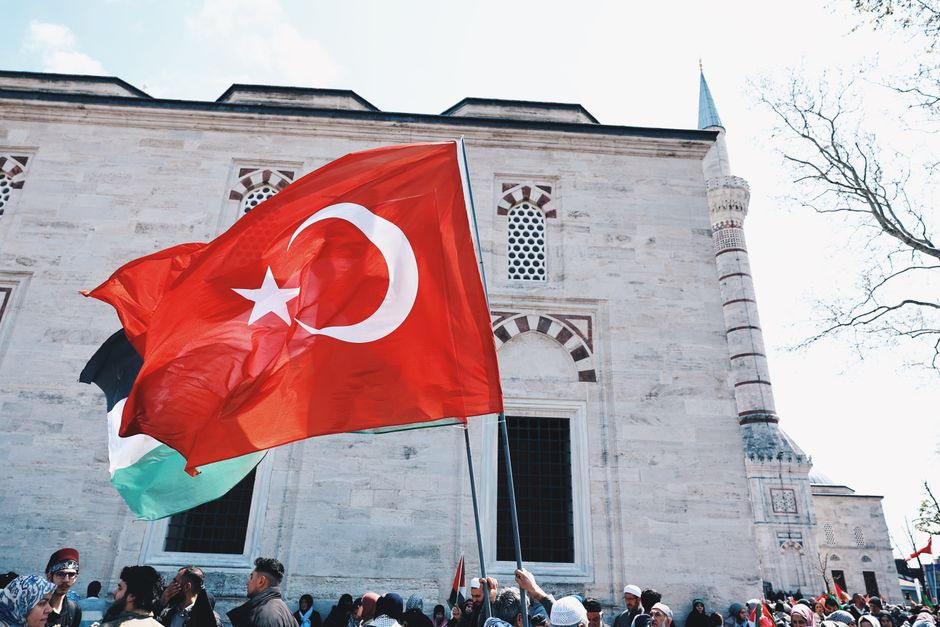
Forget the polite diplomatic niceties. The latest geopolitical weather report for the Middle East isn’t just calling for showers; it’s predicting a full-blown tempest, and the eye of that storm seems to be forming squarely between Turkey and Israel. For too long, the convenient fiction of “managing tensions” has masked a deeper, more dangerous reality.
According to *War on the Rocks*, the long-standing strategic buffers between these two regional powers are rapidly eroding, placing them on an unmistakable collision course. This isn’t just about rhetoric; it’s about material interests and a dangerous convergence of ambitions.
Why the Buffer Zone Between Turkey and Israel is Shrinking
This isn’t a sudden development. The relationship between Turkey and Israel has been a roller coaster for decades, plummeting from once-robust security cooperation to open antagonism under Recep Tayyip Erdoğan’s leadership. What’s different now is the sheer breadth and depth of their clashing interests, which no longer allow for convenient sidesteps or proxy battles.
Historically, both nations, though often at odds, found common ground in certain strategic alignments or at least maintained a transactional distance. That distance has evaporated. Turkey’s assertive foreign policy, often framed through an neo-Ottoman lens, directly challenges Israel’s own regional security paradigm. From the Eastern Mediterranean gas fields to the ongoing conflict in Gaza, where Ankara positions itself as a fierce advocate for the Palestinian cause, every flashpoint becomes a stage for their rivalry.

Furthermore, Turkey’s interventions in Syria and Libya, its deepening ties with Qatar, and its attempts to project power across the broader Islamic world are all viewed with growing alarm from Jerusalem. For Israel, these moves represent a challenge to its security architecture and its alliances with nations like Greece, Cyprus, and Egypt, who also eye Turkish expansionism with suspicion. The diplomatic dance has stopped; now, it’s a game of strategic chess with real-world pieces.
The Dangerous Calculus of Regional Power
The mainstream narrative often paints this as a simple clash of personalities or historical grievances. That misses the forest for the trees. This isn’t just about Erdoğan versus Netanyahu, or whoever holds power; it’s about two ambitious states, each convinced of its own indispensability, vying for regional dominance in a volatile environment. The stakes couldn’t be higher for everyone involved.
Who wins when these buffers disappear? In the short term, perhaps no one. A direct confrontation, even a limited one, would send shockwaves across an already fragile Middle East, further destabilizing energy markets and fueling extremist narratives. For Turkey, a more aggressive stance might play well domestically, bolstering Erdoğan’s image as a strong leader defending Muslim interests. However, it risks further alienating key Western allies and deepening its economic woes. For Israel, confronting Turkish assertiveness is a necessary evil to protect its strategic interests and alliances, but it also diverts resources and attention from other pressing threats.
The real danger lies in miscalculation. Both nations possess significant military capabilities and are led by regimes unafraid to flex them. Consider the potential for incidents in disputed maritime zones, or the proxy conflicts in Syria where their respective allies clash. Each escalation chips away at what little regional stability remains. The international community, particularly the United States and European powers, has largely played the role of passive observer, issuing bland statements while the region simmers. This inaction is not just negligent; it’s complicit in allowing the situation to deteriorate. They desperately need to re-engage, not with platitudes, but with concerted diplomatic pressure and clear red lines. Otherwise, the shrinking space between Turkey and Israel could very well become a vacuum pulling everyone into a conflict no one truly wants.
The question isn’t whether they’re on a collision course, but whether the world will finally acknowledge it before impact.
Source: Google — Middle East