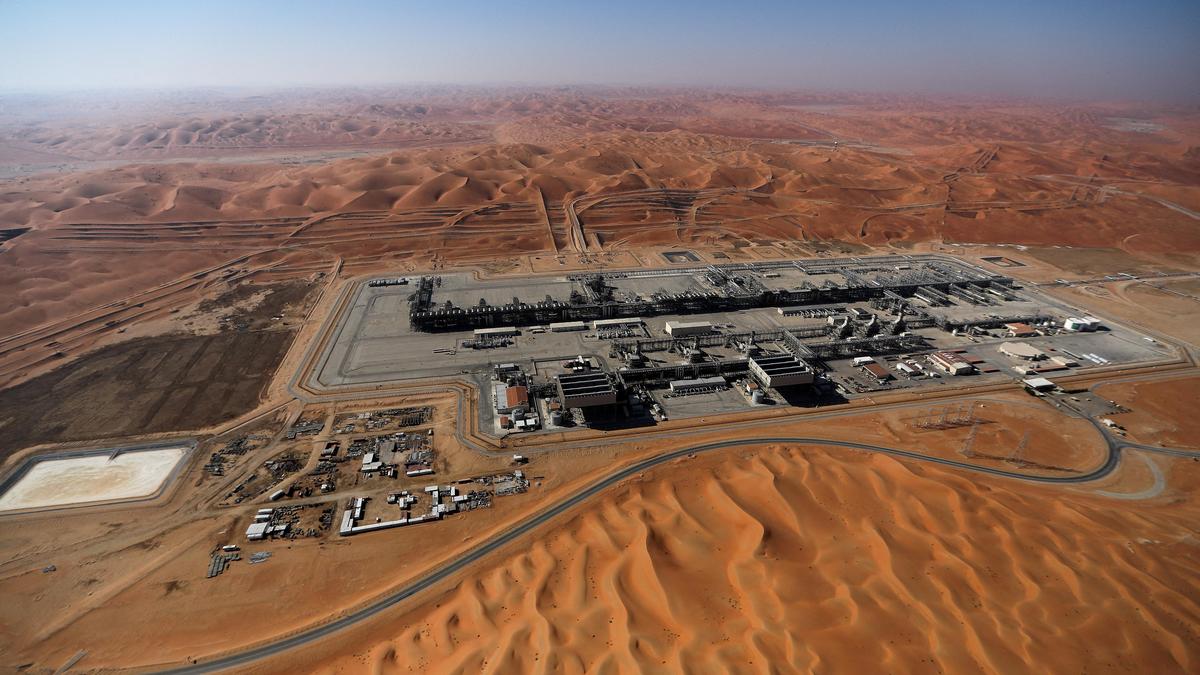
The world’s attention is once again drawn to the Gulf, not because of oil prices but **following drone** attacks that turned a quiet refinery into a tomb of falling steel. Two foreign workers—one Nepali, one Filipino—lost their lives, while a Pakistani and an Indian were wounded, as Saudi officials confirmed after the blast at the Yanbu oil complex.
According to The Hindu, the incident occurred when a swarm of unmanned aerial vehicles slammed into the facility, igniting a fire that sent debris scattering across the perimeter. The Ministry of Interior later identified the victims’ nationalities and said the debris was the direct cause of the fatalities.

The fallout **following drone** strikes on Saudi oil
The timing of this assault could not be more consequential. Saudi Arabia, already wrestling with the aftershocks of regional tensions, has been the linchpin of global energy security for decades. An attack on its oil infrastructure signals not just a tactical strike but a strategic message aimed at disrupting the flow of cheap crude that underpins much of the world’s economic stability. In fact, the very fact that the debris killed expatriate laborers—workers who form the backbone of the Kingdom’s construction and industrial sectors—adds a human dimension that the Saudi government cannot afford to ignore.
South‑Asian labor migrates to the Gulf in massive numbers; the loss of a Nepali and a Filipino worker reverberates across Kathmandu and Manila, where remittances from the Middle East constitute a substantial share of national GDP. Meanwhile, the injured Pakistani and Indian nationals highlight how intertwined the region’s workforce is with Saudi industry. This tragedy will inevitably force South‑Asian diplomatic missions to press Riyadh for better safety protocols, especially as the Kingdom continues to rely on foreign labor to sustain its ambitious Vision 2030 projects.
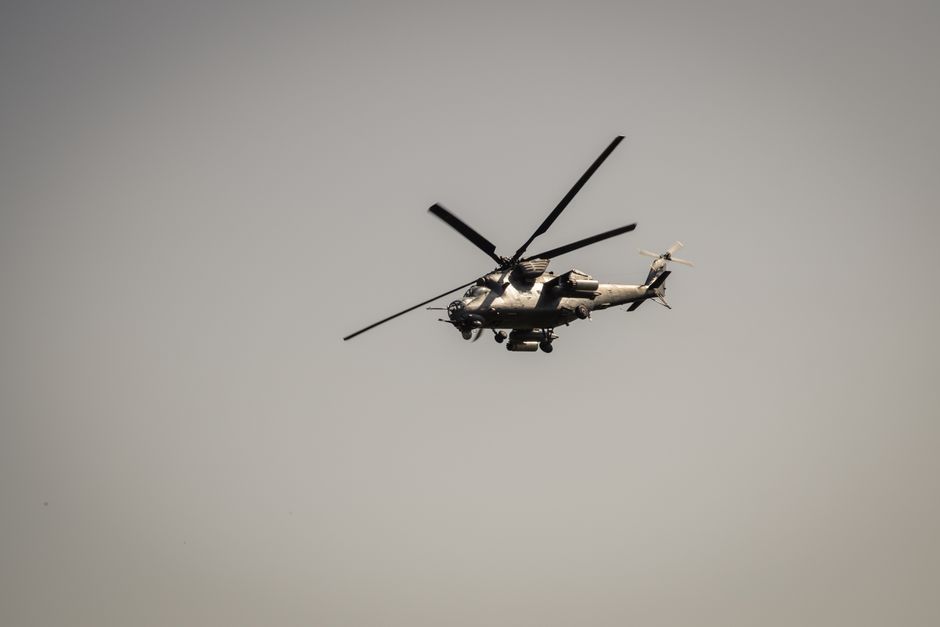
Moreover, the attack underscores the growing accessibility of drone technology. Once the preserve of state actors, cheap off‑the‑shelf UAVs now empower non‑state groups to strike high‑value targets with alarming precision. The “following drone” narrative is no longer a novelty; it has become a recurring security dilemma that forces both host nations and labor‑sending countries to rethink risk assessments for their overseas workers.
Diplomatic ripples across South Asia
In the aftermath, South‑Asian capitals are likely to convene emergency consultations with Saudi officials. India, which already maintains a delicate balance with both Riyadh and Tehran, will have to weigh its strategic energy partnership against the domestic outcry over the safety of its citizens abroad. Pakistani diplomats, still navigating a fraught relationship with the Kingdom over the Kashmir issue, may find themselves pressured to demand concrete assurances for their nationals who work in similar high‑risk sectors.

Bangladesh, Sri Lanka, and Nepal will also join the chorus, each demanding compensation and tighter oversight. The diplomatic dance will be complicated by the fact that the perpetrators of the drone strike remain unidentified. If the attack is linked to Iran‑aligned militias, as some analysts suspect, the fallout could widen into a broader proxy confrontation, dragging South‑Asian states into a geopolitical tug‑of‑war they would rather avoid.
Yet the mainstream narrative often glosses over these human costs, focusing instead on oil price volatility and geopolitical chess moves. What the mainstream media misses is how every piece of falling debris carries with it a story of a family back home, a community dependent on a single paycheck, and a government that must now answer to grieving relatives. The “following drone” episode is a stark reminder that security policies are not abstract doctrines; they are lived realities for millions of South‑Asian migrants.
Critics may argue that the Kingdom’s own lax safety standards contributed to the tragedy, pointing out that workers are often housed in makeshift camps far from emergency services. While that criticism holds weight, it does not absolve the attackers of responsibility. The primary breach was the successful penetration of a heavily guarded oil complex, a feat that exposes glaring intelligence gaps on the part of Saudi security agencies.
The stakes are high. If Riyadh fails to bolster protective measures, it risks a cascade of diplomatic protests that could sour its labor agreements with the very countries that supply its workforce. Conversely, an over‑reaction—such as imposing draconian visa restrictions—could cripple the Kingdom’s development plans that rely on cheap expatriate labor. The balance will hinge on how swiftly and transparently Saudi authorities can investigate the drone incident and deliver justice for the victims.
The tragedy also serves as a warning bell for regional powers. Iran, already under intense scrutiny for its alleged support of proxy groups, may find its denials further questioned if evidence surfaces linking its allies to the “following drone” assault. The United States, which maintains a security umbrella over the Gulf, will be forced to reassess its drone‑defense posture and perhaps accelerate the deployment of counter‑UAV technologies, a move that could further militarize the skies over Saudi oil fields.
In the end, the incident is a microcosm of a larger shift: the democratization of lethal technology and the vulnerability of a global workforce that remains invisible until disaster strikes. South‑Asian governments must now navigate a delicate diplomatic tightrope, demanding accountability while preserving the economic lifelines that their citizens depend on.
The falling debris may have silenced two workers, but the echo of their deaths will reverberate through diplomatic corridors, labor contracts, and security briefings for months to come. If the Kingdom does not act decisively, the next “following drone” headline could be written in even bloodier ink.
Source: The Hindu