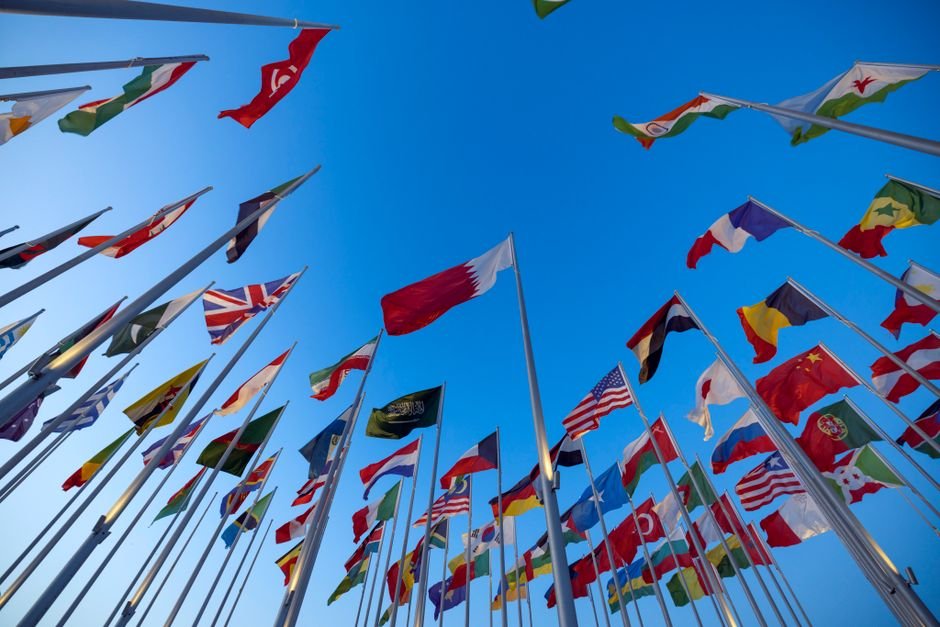
The Middle East is again the stage for political theater, and this time, the headline act is none other than Donald Trump, who claims he’s ready to sign a deal with Iran. But should we be thrilled or apprehensive about this new development? With a history of flip-flopping on foreign policy, Trump’s latest declaration could be an invitation to chaos rather than peace.
According to Axios, Trump’s proposed deal includes a series of measures aimed at curbing Iran’s nuclear ambitions, lifting sanctions, and fostering diplomatic relations. Shockingly, this comes just a few months after he took a hardline stance, labeling Iran as a “pariah state.”
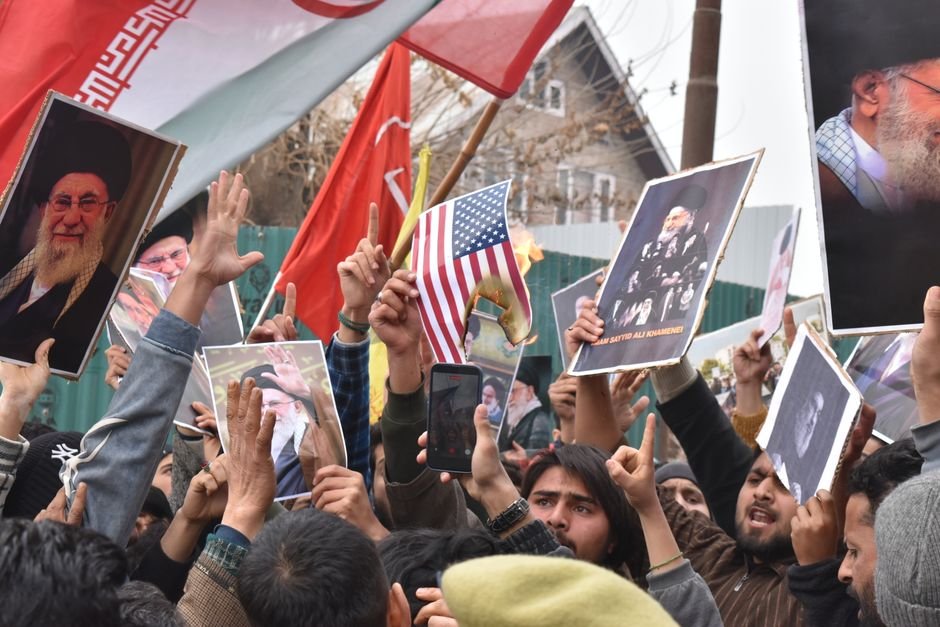
The Stakes in the Middle East
Why does this matter now? The Middle East has been a hotbed of tension for decades, with Iran at the center of many disputes. Years of sanctions and isolation have only pushed the nation deeper into an alliance with Russia and China. Trump’s willingness to engage could signal a new era of diplomacy—or an alarming capitulation to regimes that thrive on chaos. The players are well-known: a divided Iran, a nervous Israel, and a U.S. administration that seems to be flailing for direction. If Trump genuinely aims for peace, then he needs to tread carefully. Too often, these deals have led to further discord.
But let’s not kid ourselves. The specter of a nuclear-armed Iran looms large on the horizon, and while diplomacy is necessary, it’s not without its risks. Critics will argue that any agreement could empower the Iranian regime, allowing them to fund terrorism and destabilize neighboring countries while basking in the glow of newfound legitimacy.
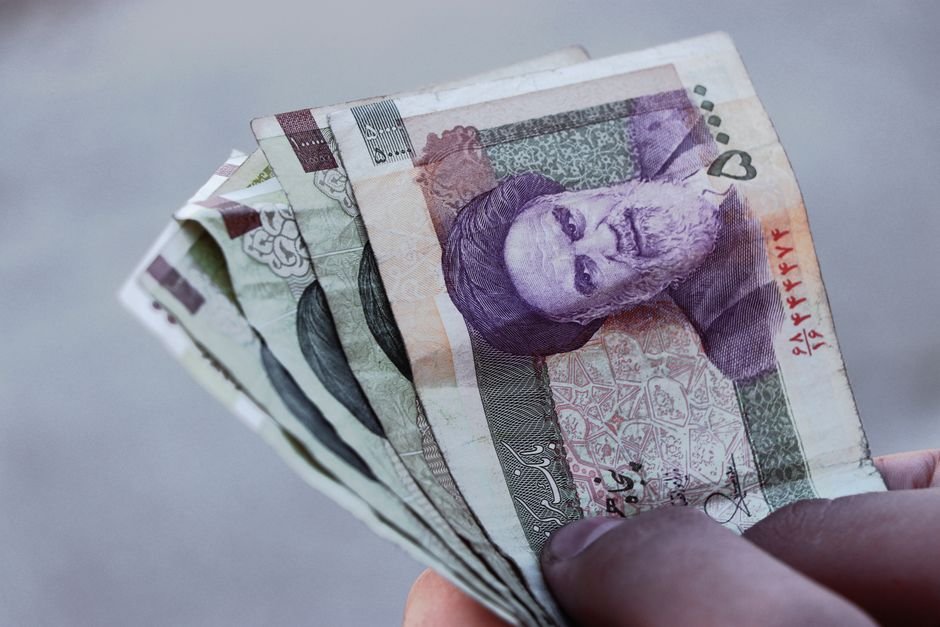
Analyzing the Middle East Game
So, who wins and who loses in this potential agreement? On one hand, Trump could position himself as a peacemaker, a title he desperately craves. On the other hand, if the deal backfires, it could serve as ammunition for his opponents, blaming him for a resurgence of Iranian aggression. Meanwhile, the Iranian leadership must be pondering whether this deal is a genuine olive branch or just another trap laid by the West.
The mainstream media seems to overlook a crucial aspect here: the actual sentiments of the Iranian people. Many are tired of the oppressive regime and yearn for change, but will any deal facilitate that? History suggests that when outside powers meddle in the Middle East, unintended consequences abound. If we’re not careful, this could lead to another cycle of violence, pulling in allies and enemies alike.
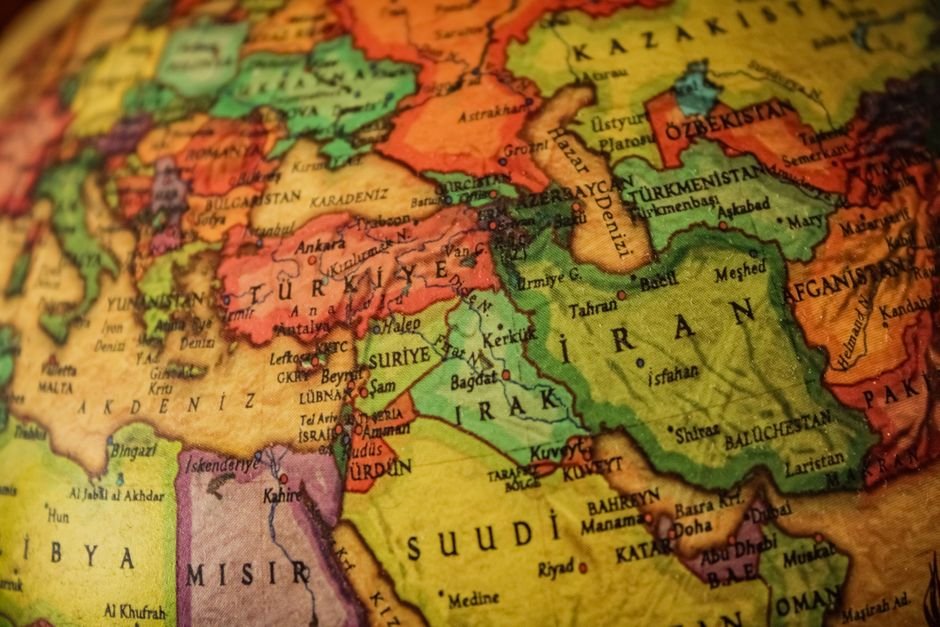
As we look to the future, the question lingers: will Trump’s Iran deal be a turning point in Middle Eastern diplomacy or another chapter in a long saga of misguided foreign policy? The answer could shape the geopolitical landscape for years to come. The Middle East deserves more than mere headlines; it requires a thoughtful, strategic approach that respects both its complexities and its peoples.
Source: Google — Middle East