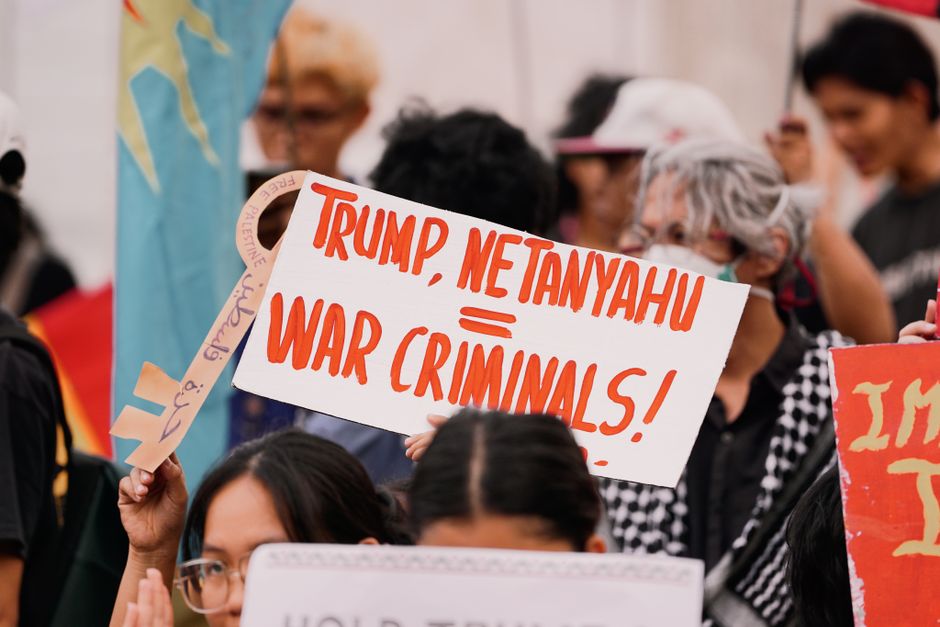
Donald Trump just gave us a glimpse of the chaos lurking beneath the surface of Middle East politics, and it’s a wild ride. In a recent episode of ‘Pod Force One,’ he dropped the bombshell that he told Israeli Prime Minister Benjamin Netanyahu he was “f–king crazy.” This entertaining yet alarming exchange reveals the high-stakes gamesmanship at play in a region where diplomacy often feels like a circus.
According to the New York Post, Trump recounted this colorful conversation during his podcast, further solidifying his unfiltered approach to foreign relations. The revelatory moment comes at a time when tensions in the Middle East are as fraught as ever, with ongoing conflicts, evolving alliances, and a struggle for stability putting leaders like Netanyahu in precarious positions.
The Stakes in the Middle East
The context of this exchange is crucial. Trump’s presidency was marked by a series of controversial decisions regarding Israel, from moving the U.S. embassy to Jerusalem to brokering the Abraham Accords. These moves were celebrated by some and condemned by others, but they ultimately shifted the dynamics in the Middle East. With Trump now sharing his candid opinions from his podcast throne, the implications for U.S.-Israeli relations and broader Middle Eastern geopolitics are significant.
Netanyahu, beholden to his base and facing increasing scrutiny at home, is under pressure to navigate a complex landscape. The Biden administration’s approach to the Middle East is markedly different, focusing on diplomacy and multilateralism rather than the previous administration’s confrontational tactics. As a result, Trump’s barbs might resonate with some, but his reckless candor can also undermine the delicate situation.
An Analysis of Trump’s Impact
So, who truly benefits from this kind of commentary? On one hand, Trump’s supporters love the rawness; it gives them a taste of the bold leadership they crave. However, for those who understand the intricacies of Middle East politics, such statements could destabilize the already fraught relationships between the U.S., Israel, and its neighbors.
What’s often overlooked is how Trump’s approach could foster a dangerous precedent. By publicly deriding an ally, he may inadvertently embolden critics of both the U.S. and Israeli governments. Critics in Iran and other regional players can latch onto such comments to paint the U.S. as unreliable and unfocused.
Moreover, the mainstream media’s focus on Trump’s antics sometimes overshadows the deeper, systemic issues in the Middle East. Yes, it’s entertaining to hear Trump call Netanyahu crazy, but the real story lies in the consequences of such rhetoric. With fragile peace agreements and ongoing humanitarian crises, a lack of diplomacy could lead to greater instability.
Trump’s return to the political arena is a signal of renewed tumult, and the Middle East remains a stage where this drama will unfold. Will his brash comments lead to a reshuffling of alliances, or will they simply serve as the latest soundbite in the ongoing saga?
As we observe this intricate dance of diplomacy, one thing is clear: when it comes to the Middle East, it’s not just about who shouts the loudest but who can navigate the chaos with skill. The echoes of Trump’s words will likely reverberate through the region, leaving us to wonder just how much damage a few careless words can inflict. In the game of international politics, every comment counts—and the stakes have never been higher.
Source: Google — Middle East