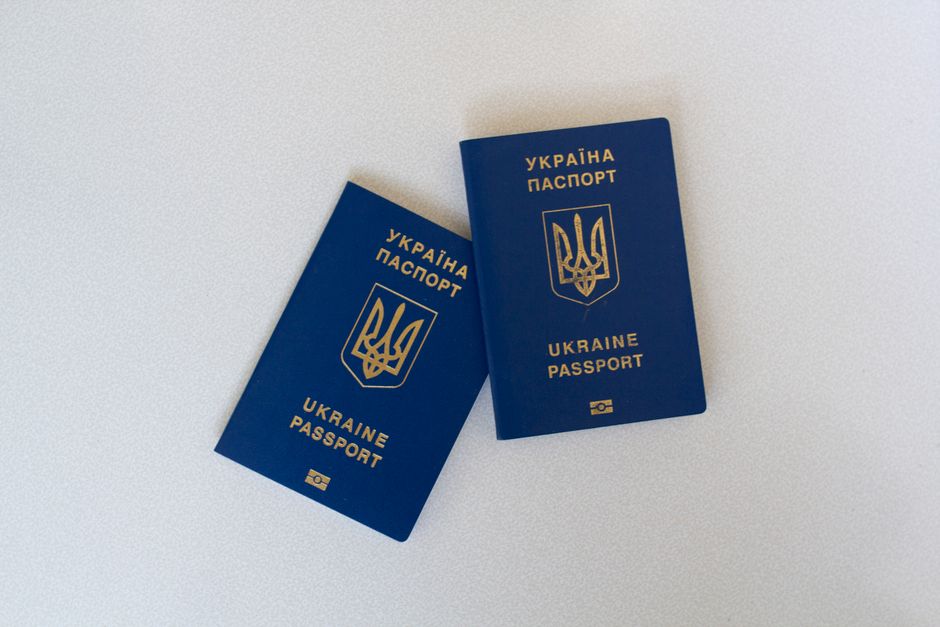
When does “security” become indistinguishable from collective punishment? This is the uncomfortable question currently being forced upon us as **The European** Union once again tightens its borders, drawing a line that impacts millions of ordinary citizens. The geopolitical chess game continues, but the pawns are increasingly real people caught in the crossfire.
According to Escudo Digital, the European Union is now seeking to terminate tourist visas for Russian nationals. This decisive action comes as a direct response to recent, unspecified incidents that occurred at Leipzig airport.
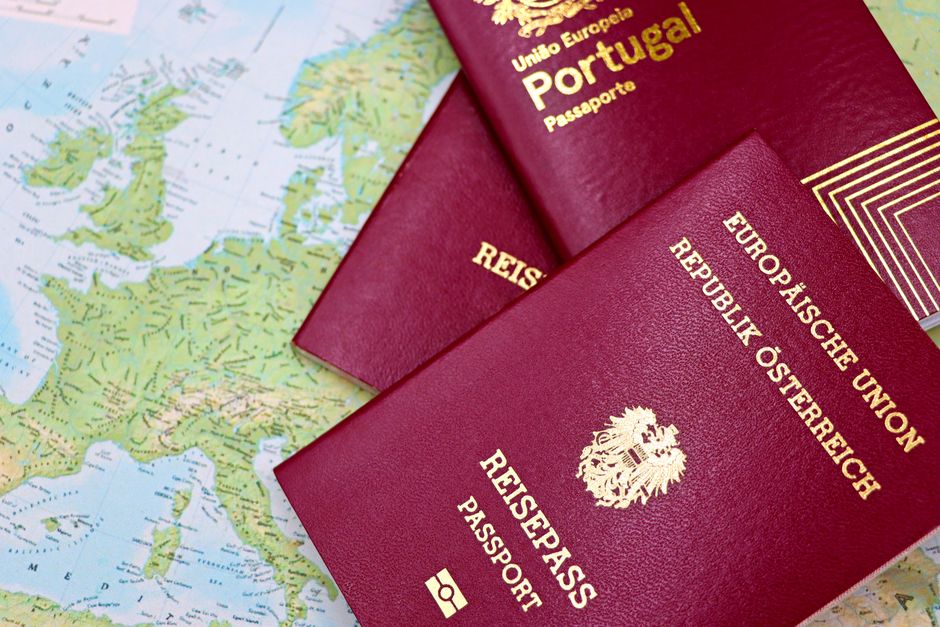
The European Union’s Shifting Sands
This isn’t merely a reactive measure to a few isolated airport mishaps. It reflects a deeper, festering wound in the complex tapestry of EU-Russia relations, exacerbated by years of escalating tensions and distrust. The Leipzig incidents, whatever their specific nature, have provided a convenient and perhaps long-awaited trigger for a policy shift that has been simmering for some time. This move builds on previous restrictions and sanctions, signaling a further hardening of **The European** stance against Moscow.
For years, the debate has raged within the EU: should punitive measures target the Russian state and its elite, or should they extend to the broader populace? This latest development clearly leans towards the latter, framing all Russian citizens seeking leisure travel as potential security liabilities or, at the very least, undeserving of the hospitality once extended. The policy aims to increase pressure on Russia by making life more difficult for its citizens, hoping this discomfort translates into internal dissent or a change in state behavior. However, such a strategy carries significant risks, potentially alienating the very people who might one day be agents of change.
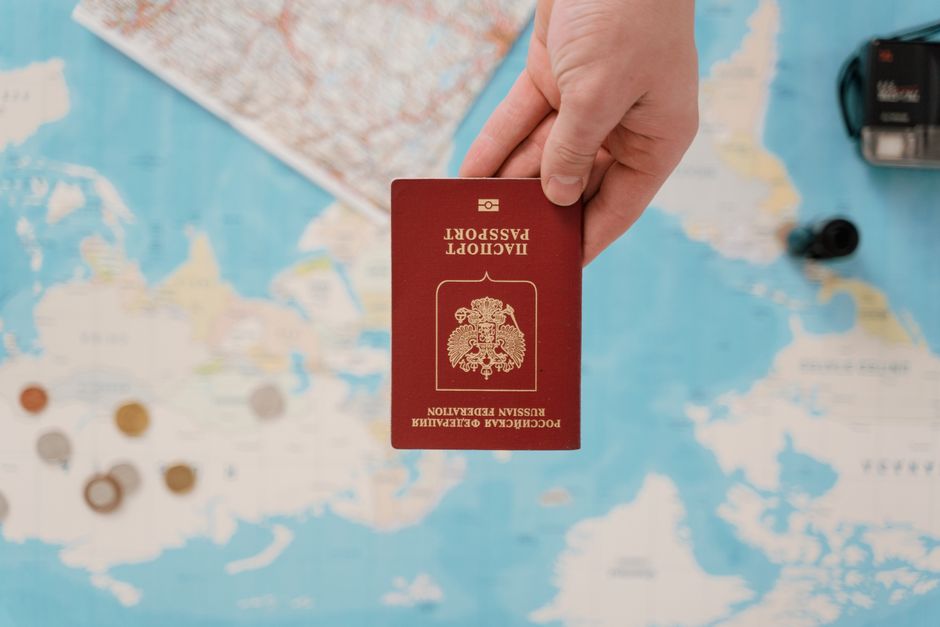
A Blunt Instrument or Targeted Precision?
Let’s be blunt: Is stripping ordinary Russians of tourist visas truly an effective security measure, or is it merely performative politics designed to project strength? Denying a short-term visa to a Russian family planning a holiday in Paris or Rome does not, inherently, stop a sophisticated state actor from pursuing nefarious aims within EU borders. In fact, it risks playing directly into the Kremlin’s long-standing narrative that the West is inherently hostile towards all Russians, regardless of their political affiliation or personal beliefs.
This sweeping approach risks isolating ordinary Russians further, cutting them off from direct exposure to Western democracies, cultures, and diverse viewpoints. Surely, such interactions are precisely what could, over time, foster understanding and erode state-sponsored propaganda, rather than reinforce it. On the one hand, proponents argue that any financial or psychological pressure on the Russian populace is a legitimate tool in a broader geopolitical struggle. On the other hand, critics contend that this blanket ban punishes the innocent alongside the potentially guilty, doing little to enhance actual security while doing much to fuel resentment.
Furthermore, the practical implications are significant. While the EU seeks to end these tourist visas, questions remain regarding humanitarian exceptions, family reunification, or even academic exchanges. The bureaucracy required to discern ‘legitimate’ travel from ‘risky’ travel under such a broad ban will be immense. **The European** bloc prides itself on its values of freedom and open societies, yet this move appears to contradict those very tenets when applied to an entire nationality. The consequences could extend beyond mere tourism, impacting cultural ties and academic cooperation for years to come. This isn’t just about leisure; it’s about the fundamental principles of engagement.
This aggressive pivot by **The European** Union might satisfy a domestic political appetite for decisive action, but its real-world impact on international security and diplomacy remains highly debatable. By drawing a firmer line, the EU is not only sending a message to Moscow but also to its own citizens and the world about the limits of its hospitality. The long-term implications for future relations, for the very idea of a shared European continent, are profound.
So, as the borders tighten and the ideological walls grow higher, we must ask: are we truly securing our future, or simply reinforcing the divisions we claim to be fighting against, one visa denial at a time?
Source: Google — UK & Europe