
Are we truly prepared to watch physical media fade into obsolescence, replaced entirely by the ethereal promise of digital licenses? The relentless march of **technology** has brought us to this precipice, and it seems the future of owning our games, our movies, our music, is becoming increasingly grim.
Reports circulating among tech commentators, notably highlighted by outlets like The Verge, indicate a rapidly bleak future for physical video games. This isn’t merely a slow decline; it’s an accelerating trend towards a completely digital distribution model, fundamentally altering how consumers interact with their entertainment.
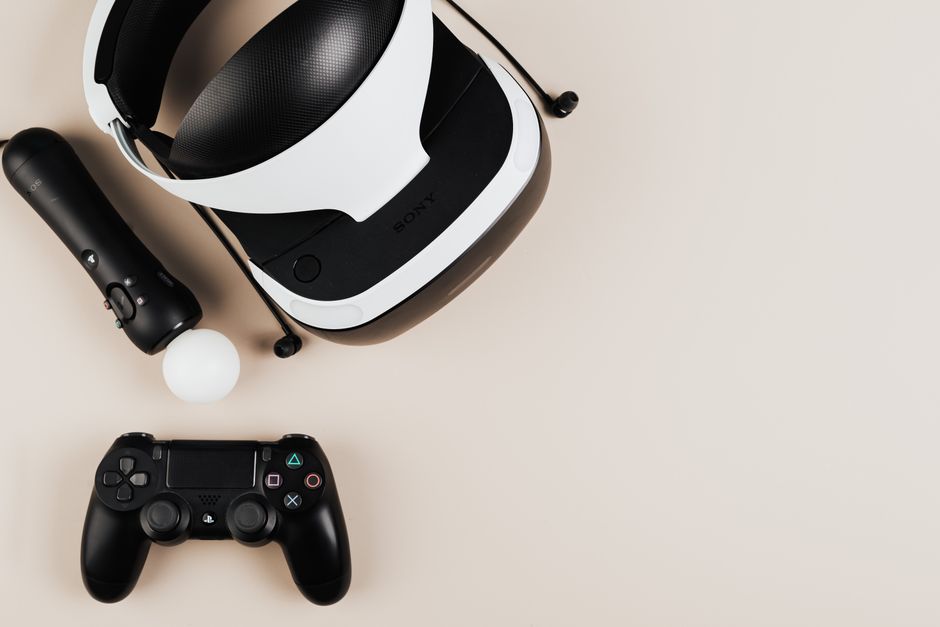
The Digital Shift in Modern Technology
This isn’t a sudden development; it’s the culmination of years of strategic maneuvering by publishers and console manufacturers. For over a decade, digital storefronts have grown in prominence, chipping away at the market share once dominated by brick-and-mortar retailers and physical disc sales. The allure for companies is obvious: digital distribution eliminates manufacturing costs, shipping logistics, and the need to share revenue with retailers. Publishers gain absolute control over pricing, sales, and even the existence of a product on a platform. Meanwhile, console giants like PlayStation have actively pushed digital-only console models, effectively signaling the sunset for disc drives.
The upcoming release of a behemoth like Grand Theft Auto VI from Rockstar Games will undoubtedly amplify this conversation. While no specific details about its distribution model have been released, the industry trajectory suggests a strong lean towards digital, perhaps even entirely, for such high-profile titles. This fundamental shift in how **technology** delivers entertainment transforms consumers from owners into perpetual renters, subject to the whims and longevity of digital storefronts and server uptime. The players are clear: platform holders and publishers stand to gain immense power and profit, while the traditional retail sector and, crucially, consumer rights, face an existential threat.
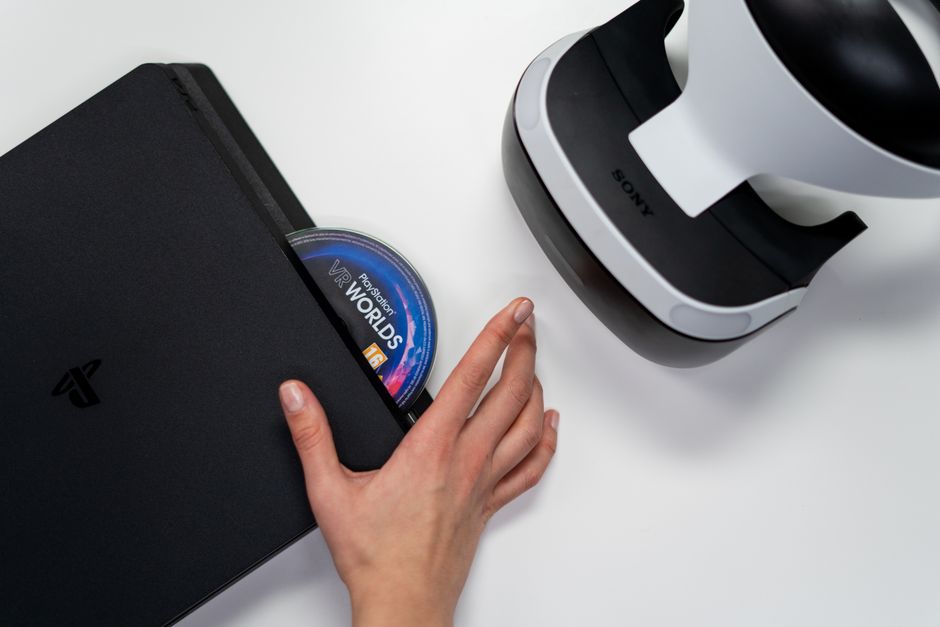
The Real Cost of Convenience
Here’s the uncomfortable truth: this isn’t about consumer preference for convenience, not entirely. It’s about corporate control, plain and simple. When you buy a physical game, you *own* it. You can lend it, sell it, or hold onto it for decades. It’s an asset. A digital purchase, however, is merely a license – a temporary permission to access data. That license can be revoked, altered, or simply disappear if a platform decides to shut down its servers or delist a game. Suddenly, your “collection” becomes a fragile illusion, vulnerable to corporate decisions completely out of your hands.
The argument for digital convenience often sidesteps the critical issues of game preservation and consumer ownership. What happens to countless titles when servers inevitably go dark? Future generations might never experience swathes of gaming history, locked away in inaccessible digital vaults. Furthermore, the burgeoning secondary market for used games, a vital artery for many gamers and a significant revenue stream for independent retailers, is completely obliterated by an all-digital landscape. This isn’t progress; it’s a consolidation of power, disguised as streamlined service. While some argue that digital platforms offer unprecedented access and lower entry barriers, the long-term implications for consumer choice and cultural preservation are stark. The future of gaming, driven by the relentless march of **technology**, risks becoming a walled garden, where every aspect of your engagement is monitored and dictated.

This digital future, where ownership is an illusion and access is conditional, demands our scrutiny. We must question whether the convenience of downloading outweighs the fundamental right to own what we pay for. Otherwise, we’re simply ceding more ground to the opaque world of big tech and its business models, paving the way for a future where **technology** dictates access, not ownership.
Source: The Verge