
The future of technology hangs in the balance as billions of dollars are being poured into the development of artificial intelligence, but the question on everyone’s mind is: will it pay off? According to BBC Technology, Amazon and Apple have just revealed more about their plans for artificial intelligence, and it’s clear that these tech giants are betting big on this emerging technology. Artificial intelligence is set to revolutionize the way we live and work, but as we delve deeper into its possibilities, we must also consider the potential risks and challenges that come with it.
As reported by the BBC, the latest announcements from Amazon and Apple have shed more light on their artificial intelligence plans, with both companies investing heavily in research and development. According to Reuters, this new wave of AI technology has the potential to transform industries and revolutionize the way businesses operate. However, the success of these investments remains to be seen, and only time will tell if they will yield the desired returns.
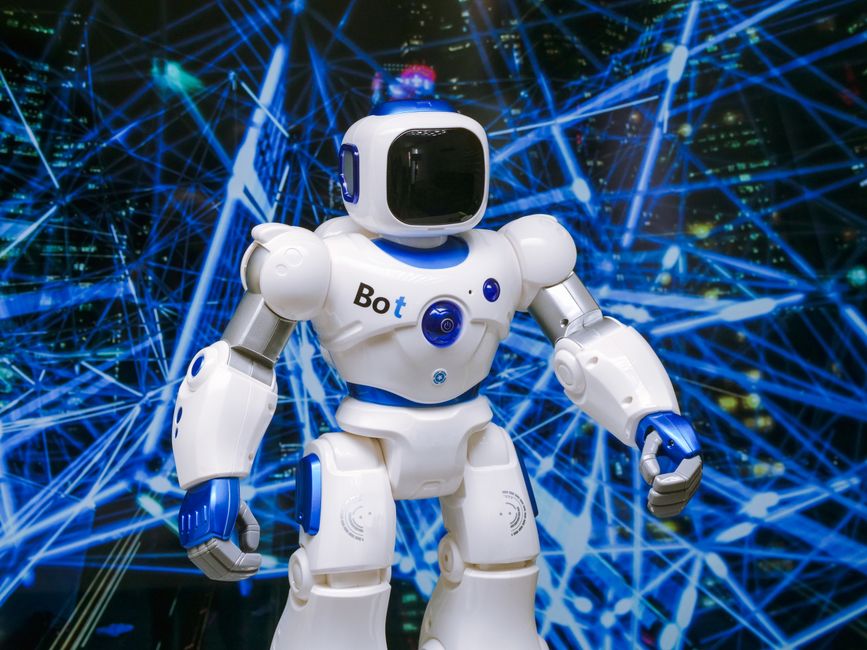
The Rise of Artificial Intelligence in the Tech Industry
The development of artificial intelligence is a key area of focus for tech companies, with many investing heavily in research and development. As a result, we are seeing a significant shift in the way businesses operate, with artificial intelligence being used to improve efficiency, reduce costs, and enhance customer experiences. In the UK and US, where Amazon and Apple are based, the impact of artificial intelligence on the job market is a major concern, with many workers worried about the potential for automation to replace human jobs. Meanwhile, in the Middle East and South Asia, the adoption of artificial intelligence is seen as a key driver of economic growth, with many countries investing heavily in AI research and development.
The implications of artificial intelligence on the global economy are far-reaching, and its impact will be felt across various industries. On one hand, artificial intelligence has the potential to create new job opportunities and drive economic growth, but on the other hand, it also poses significant challenges, including the potential for job displacement and increased inequality. As we move forward, it’s essential to consider the potential risks and benefits of artificial intelligence and develop strategies to mitigate its negative impacts. In fact, the UK and US governments have already started to take steps to address the challenges posed by artificial intelligence, including investing in education and retraining programs to help workers develop the skills they need to succeed in an AI-driven economy.
The Future of Artificial Intelligence: Opportunities and Challenges
As we look to the future, it’s clear that artificial intelligence will play an increasingly important role in shaping the world around us. With its potential to revolutionize industries and transform the way we live and work, artificial intelligence is an exciting and rapidly evolving field. However, as with any emerging technology, there are also significant challenges to be addressed, including the potential for bias and discrimination in AI decision-making, as well as the need for greater transparency and accountability in AI development. Therefore, it’s essential to approach the development of artificial intelligence in a responsible and sustainable way, with a focus on ensuring that its benefits are shared by all.
The role of governments and regulatory bodies will be crucial in shaping the future of artificial intelligence, as they will need to balance the need to promote innovation and growth with the need to protect workers and ensure that the benefits of AI are shared fairly. In the US, for example, there are already calls for greater regulation of the AI industry, with some lawmakers arguing that the government needs to take a more active role in overseeing the development of artificial intelligence. On the other hand, in the UK, the government has taken a more hands-off approach, preferring to let the market drive innovation and growth. As a result, the development of artificial intelligence is likely to be shaped by a complex interplay of factors, including technological advancements, economic pressures, and social and political considerations.

The Impact of Artificial Intelligence on UK/US Politics
As we consider the potential impact of artificial intelligence on UK/US politics, it’s clear that this emerging technology will have far-reaching consequences for both countries. In the US, for example, the development of artificial intelligence is likely to be a major issue in the upcoming elections, with many candidates already campaigning on platforms that include greater investment in AI research and development. In the UK, meanwhile, the impact of artificial intelligence on the job market is a major concern, with many workers worried about the potential for automation to replace human jobs. As a result, the development of artificial intelligence is likely to be a key area of focus for policymakers in both countries, as they seek to balance the need to promote innovation and growth with the need to protect workers and ensure that the benefits of AI are shared fairly.
As the world continues to grapple with the challenges and opportunities presented by artificial intelligence, one thing is clear: this emerging technology has the potential to transform the world around us in profound ways. Whether it will ultimately pay off remains to be seen, but one thing is certain: the future of artificial intelligence will be shaped by a complex interplay of technological, economic, social, and political factors. As we move forward, it’s essential to approach the development of artificial intelligence in a responsible and sustainable way, with a focus on ensuring that its benefits are shared by all. The question on everyone’s mind is: what will the future of artificial intelligence hold, and how will it change the world as we know it? Only time will tell, but one thing is certain: the impact of artificial intelligence will be felt for generations to come.

Source: BBC Technology