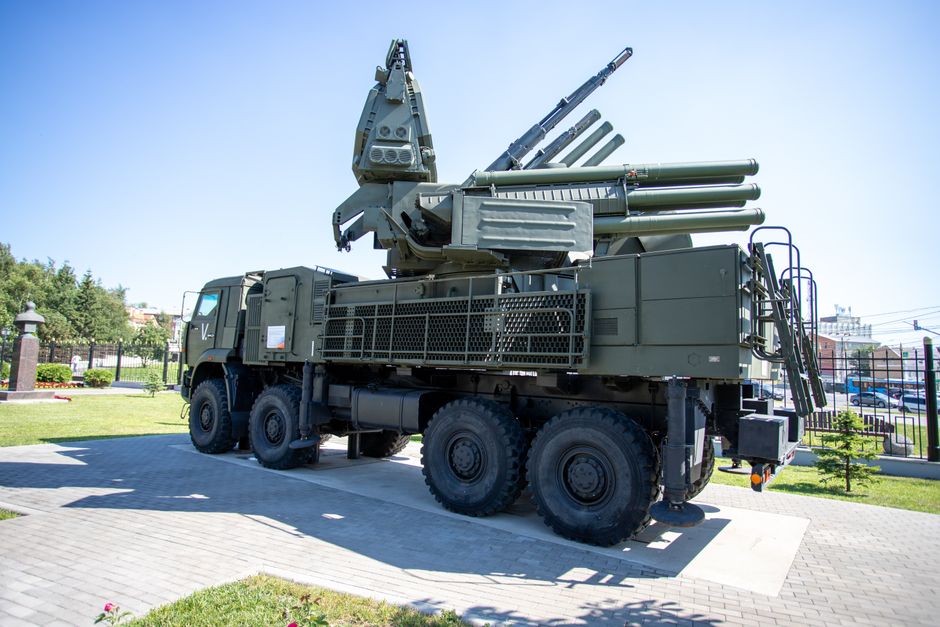
The future of warfare could very well be built on the backbone of technology, and it’s shaping up to be a complex beast. Are we on the brink of creating sentient fortresses that act as both defense mechanisms and combatants? According to army.mil, the U.S. Army is pivoting towards engineering military installations that function as advanced weapon system platforms, utilizing cutting-edge technology to bolster security.
This isn’t just sci-fi fantasy; this is the new frontier of military logistics and infrastructure. As reported by army.mil, the Army is developing these “smart” installations that can process information, make decisions, and react in real-time, effectively turning bases into highly dynamic and responsive environments. It’s a bold leap into the realm of autonomous warfare.
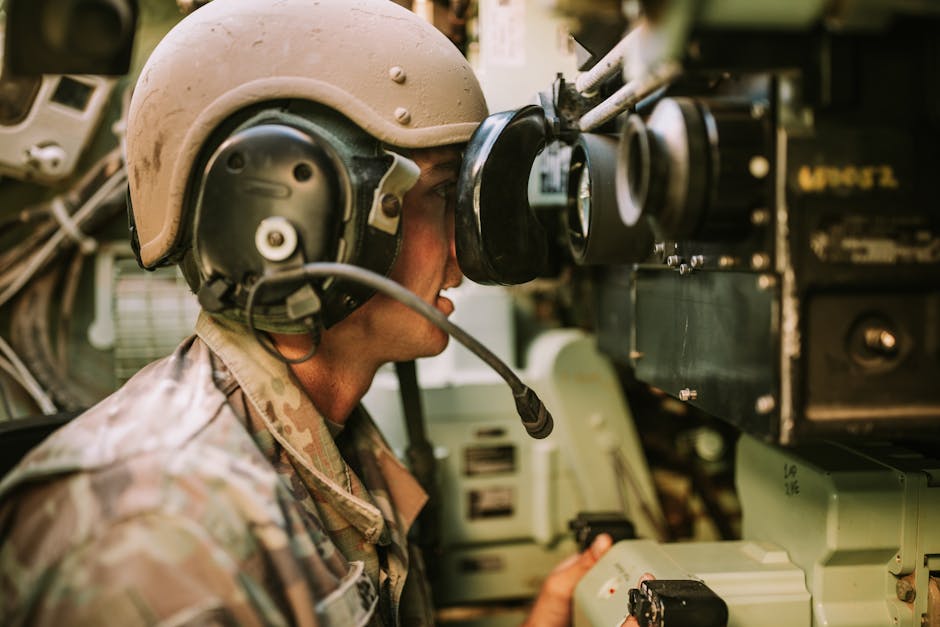
The Necessity of Advanced Technology in Modern Warfare
Why this matters cannot be overstated. The landscape of military engagement has transformed drastically over the last two decades. Traditional strategies are now outdated in a world where cyber threats and asymmetric warfare are prevalent. The players in this evolving narrative range from military technologists to defense contractors, all of whom are racing to integrate the latest technology into operational frameworks. With nation-states like China and Russia ramping up their own military tech initiatives, the U.S. cannot afford to fall behind.
The implications of these sentient fortresses stretch far beyond military efficiency; they touch on ethics, international law, and even the nature of warfare itself. Will a technology-driven military be a deterrent, or will it escalate conflicts? These are pressing questions that demand immediate attention.
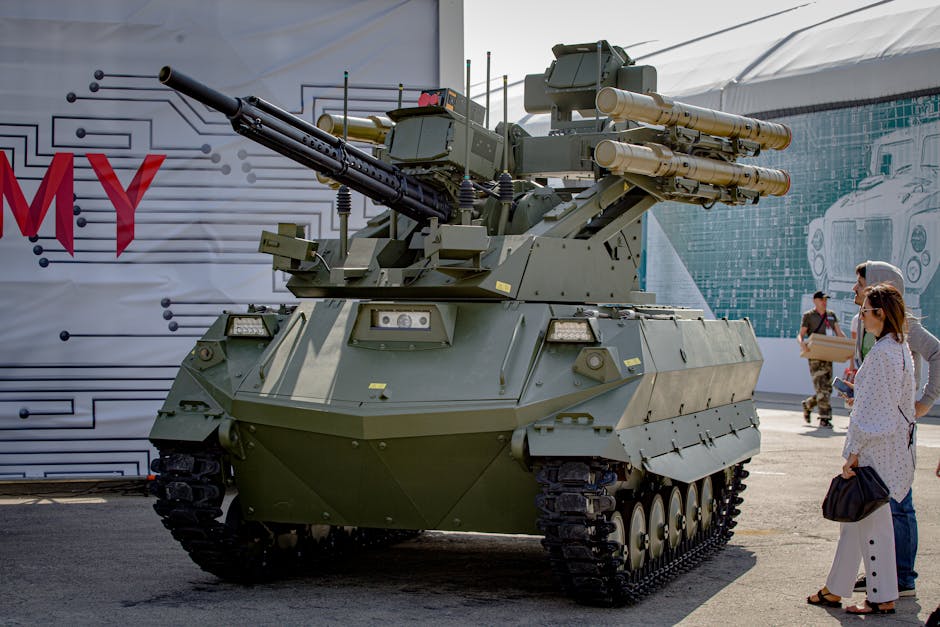
The Implications of Autonomous Military Technology
Some may argue this shift towards technology is necessary for national security. However, it also poses significant risks that the mainstream media barely brushes upon. The reliance on technology can create vulnerabilities. Cyber attacks could incapacitate these sentient installations, rendering them useless or even turning them against their operators. Moreover, the moral implications of autonomous systems making life-and-death decisions cannot be ignored. Are we comfortable with machines being entrusted to decide who lives and dies in conflict scenarios?
Furthermore, while these installations promise to bolster military capabilities, they inadvertently open avenues for arms escalation. If every country begins to develop similar technology, we may find ourselves in a new arms race, but this one will be fought in cyberspace and through hardware innovation. The stakes are exceptionally high, and the risks of miscalculations could lead to catastrophic outcomes.
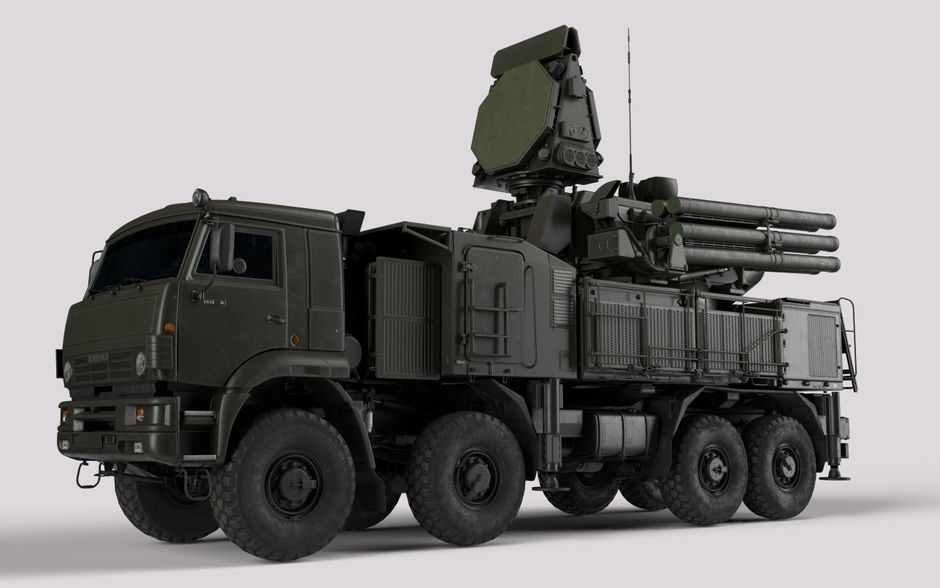
The traditional soldiers may soon become mere operators of complex tech, sidelined by machines that can think faster and react more efficiently. While it’s hard to argue against the benefits of incorporating technology into defense systems, we must also recognize the potential for loss of human oversight and the moral dilemmas that arise from autonomous warfare.
As we stand on the precipice of this new era, one has to wonder: can we harness technology without losing our grip on humanity? The path ahead is uncertain, laden with both promise and peril. Ultimately, it is vital that we engage in open debates about the ethical frameworks surrounding these advancements. Failure to do so could lead to a future where technology dictates the terms of engagement, leaving us at its mercy. The ultimate question remains: will we be the masters of our creations or their subjects?
Source: Google — Technology & AI