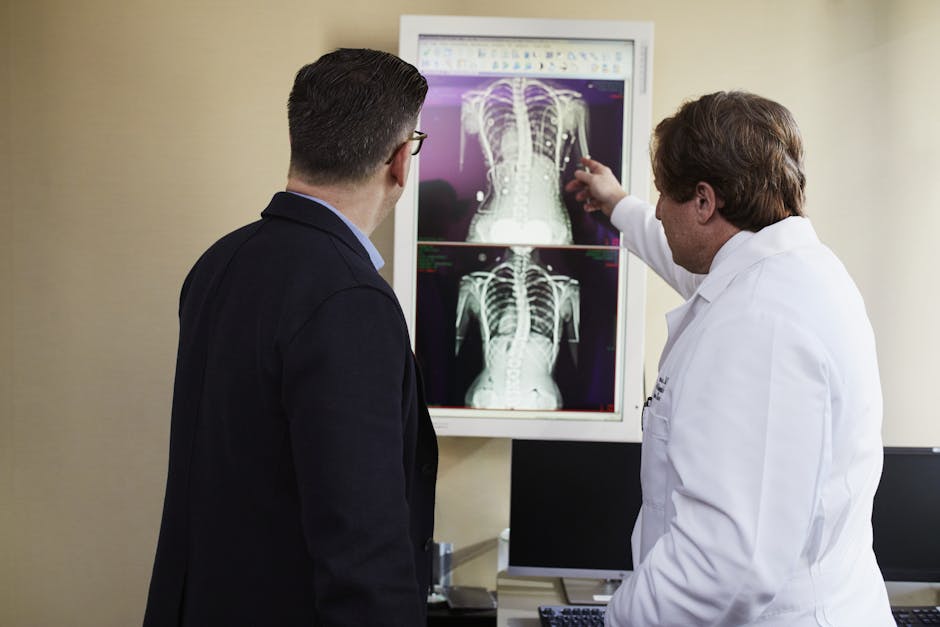
As we stand on the brink of a technological revolution in healthcare, one question looms larger than ever: can technology truly replace the nuanced understanding of human doctors? As artificial intelligence continues to advance, it is getting remarkably good at diagnosing health issues, but the jury is still out on whether it can replace human intuition when it comes to treatment options.
According to PhillyVoice, AI’s diagnostic capabilities are making impressive strides, outperforming physicians in many areas of identifying illnesses. However, the complexity of treatment decisions often requires a depth of experience and ethical reasoning that technology simply cannot replicate.
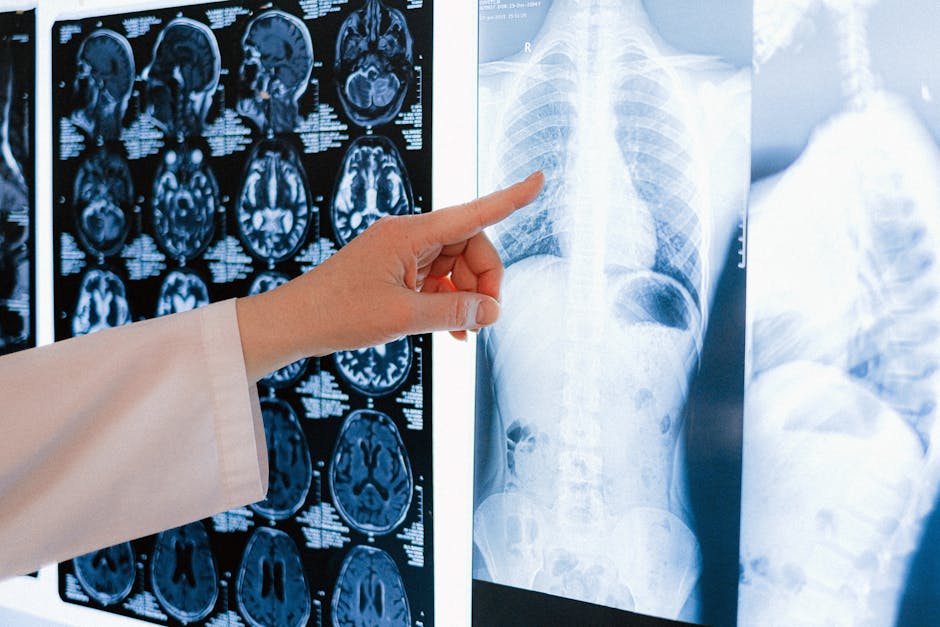
The Intersection of Technology and Healthcare
This moment is pivotal. The healthcare sector is increasingly leaning into technology, with AI tools being integrated across hospitals and clinics to assist doctors in diagnosing diseases more accurately and swiftly. With an aging population and the growing burden of chronic illnesses, the need for efficient diagnostic tools has never been more urgent. Yet, while AI excels at sifting through data and spotting patterns, can it truly grasp the messy realities of human health?
The players in this arena are as varied as the technologies themselves. Startups are competing with established medical giants to leverage AI in diagnostics, while healthcare professionals are forced to reconsider their roles in the face of automation. On one side, we have tech enthusiasts who champion AI as the future of medicine, promising faster services and potentially lower costs. On the other, we have seasoned doctors who understand that the art of medicine isn’t just about data—it’s about people.
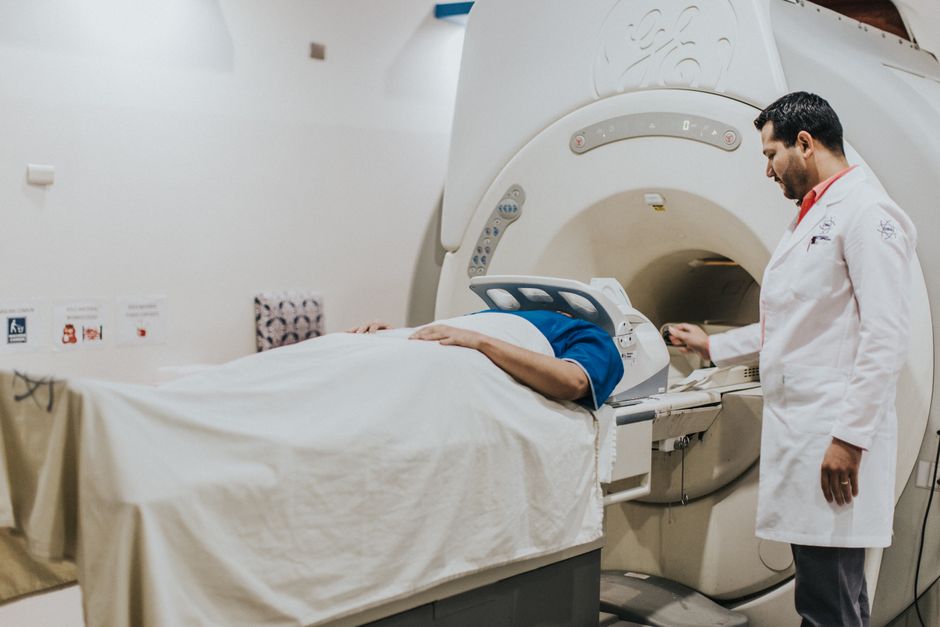
The Limits of AI in Treatment Decisions
The reality is stark: while AI’s prowess in diagnosing health issues is commendable, it still falls short when it comes to weighing treatment options. Human doctors bring empathy, ethical considerations, and a breadth of life experience to patient care. They can read between the lines of a patient’s concerns, something that algorithms struggle to grasp. For instance, understanding a patient’s personal values or their social circumstances may significantly influence treatment choices, and these nuances are often lost on machines.
Moreover, relying too heavily on technology can lead to a troubling reliance on algorithms that may not be fully transparent or devoid of bias. Who do we hold accountable when a machine makes a mistake? As AI continues to infiltrate our healthcare systems, these questions become more pressing.
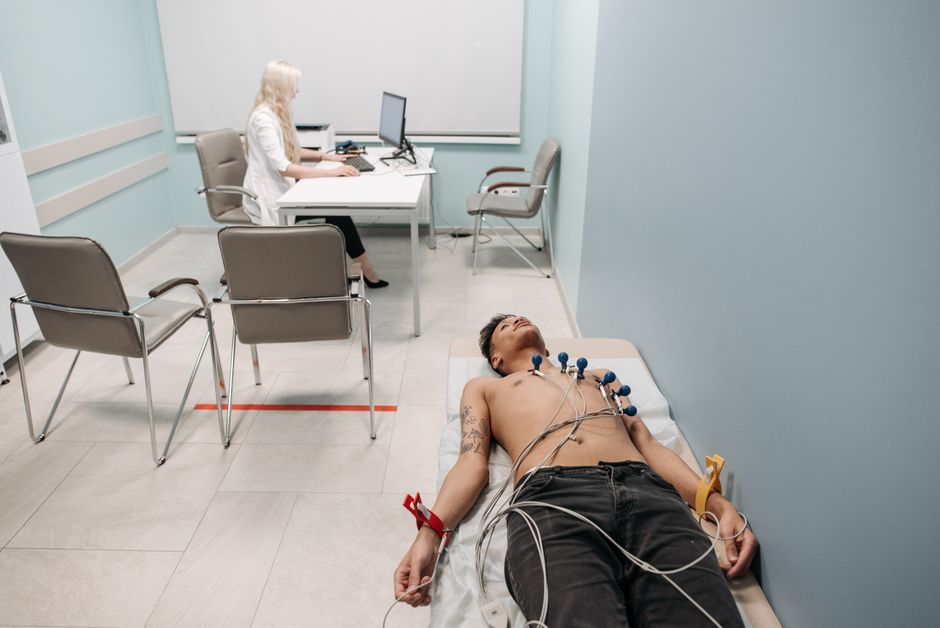
If we’re not careful, we risk a future where patients are treated as mere data points, rather than as individuals with unique stories and needs. This could create a dangerous divide in healthcare, where those without access to advanced technology might find themselves receiving inferior treatment.
In fact, while the integration of technology in diagnostics can improve outcomes, a one-size-fits-all approach could lead to catastrophic decisions. Doctors still remain the linchpin in navigating the complex interplay of medical knowledge and human experience, and it would be a mistake to underestimate that role.
Though AI is undoubtedly a powerful tool, its limitations in treatment decision-making highlight an essential truth: technology should complement, not replace, the human touch in medicine. The integration of advanced diagnostics must go hand in hand with improved communication and personal interactions between patients and healthcare providers.
As we move forward, the healthcare industry faces a critical choice: will it embrace technology to enhance the practice of medicine, or allow it to overshadow the invaluable human elements that define patient care?
The stakes are high, and the implications will resonate for years to come. Technology is an incredible asset, but let’s not forget that healing—the core of medicine—is as much about human connection as it is about data. Will we choose to strike a balance or let technology run the show? The future of healthcare hangs in the balance.
Source: Google — Technology & AI