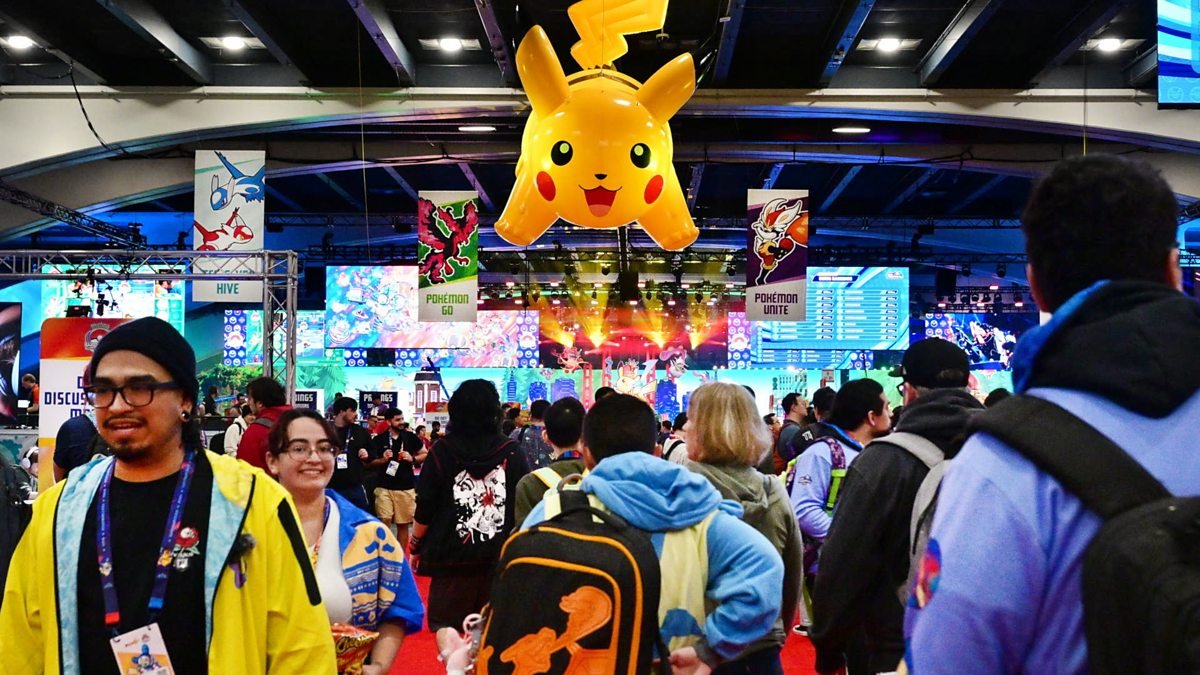
Tech Now isn’t just a buzzword you scroll past on a feed; it’s the headline that frames Alasdair Keane’s unexpected leap from indie developer to Pokémon World Championships contender in San Francisco. The BBC’s technology desk confirmed that the 27‑year‑old British coder will sit beside seasoned gamers on the global stage, turning a niche hobby into a showcase for the next wave of interactive AI.
According to BBC Technology, Keane earned his spot after a series of online qualifiers that pitted his custom‑built battle‑assistant against thousands of rivals. He will represent the United Kingdom in the finals next month, a move that has already sparked chatter across forums and boardrooms alike.

Tech Now and the New Frontier of Competitive Gaming
The significance of this development goes far beyond a single player’s passport stamp. In the past decade, competitive gaming has morphed from basement LAN parties into a multi‑billion‑dollar industry, and AI‑driven tools are now the secret sauce that separates the podium finishers from the pack. Keane’s entry is a live experiment in how open‑source neural nets can parse move‑sets, predict opponent behavior, and even suggest optimal team compositions in real time.
What makes Keane’s story especially compelling is his decision to publicize the code that powers his battle‑assistant. By publishing the algorithm on GitHub, he invites both admiration and scrutiny, forcing the community to confront the thin line between legitimate strategic aid and prohibited cheating. The tournament organizers have already issued a statement warning that any external assistance will be disqualified, yet the very existence of such tools forces regulators to redraw the rulebook.

Meanwhile, Silicon Valley investors are watching closely. The convergence of esports, AI, and streaming platforms promises fresh revenue streams, and Keane’s high‑profile appearance could accelerate venture capital interest in “smart‑coach” startups. In fact, several venture firms have already hinted at seed rounds for developers who can blend deep learning with real‑time decision making. As a result, the “Tech Now” narrative is becoming a rallying cry for entrepreneurs who see competitive gaming as a testing ground for broader AI applications.
Why This Matters Beyond the Pokéball
Beyond the glitter of Pikachu and Charizard, Keane’s move raises diplomatic and security questions that the mainstream press often glosses over. When a British citizen competes on American soil using software that can be replicated worldwide, the potential for cross‑border data flow spikes dramatically. Governments are already wrestling with how to classify such AI tools—are they merely entertainment, or do they qualify as dual‑use technology subject to export controls?

The United Kingdom’s Department for Digital, Culture, Media & Sport has recently flagged AI‑enhanced gaming as a sector that could impact national cyber‑security posture. If a piece of code can analyze opponent strategies in milliseconds, the same underlying technology could be repurposed for more sinister applications, from autonomous weapons targeting to financial market manipulation. Consequently, the “Tech Now” moment at the Pokémon Championships may well become a case study for policymakers drafting the next generation of AI regulations.
Critics argue that the hype surrounding Keane distracts from the deeper issue: the lack of a unified international framework governing AI‑assisted competition. While the International Telecommunication Union is drafting guidelines for AI in telecommunications, a comparable body for esports remains a phantom. This regulatory vacuum allows tech giants to set de facto standards, potentially marginalizing smaller developers who cannot afford legal battles or compliance costs.
Nevertheless, supporters contend that Keane’s transparency could spark a grassroots movement toward open standards, much like the early days of internet protocols. By sharing his code, he invites peer review, encourages ethical hacking, and offers a blueprint for responsible AI integration in sports. In a world where AI is often demonized, this collaborative approach could temper fear with practical solutions.
As the championship draws near, the stakes are clear: the winner will walk away with a trophy and a surge in brand value, but the losers may include the very frameworks that keep competitive integrity intact. If the tournament’s governing body cracks down hard, it could stifle innovation and push the community underground. If it embraces the technology, we may witness a rapid escalation in AI‑driven performance that outpaces existing oversight.
The broader lesson for the tech community is that “Tech Now” is not a fleeting trend but a persistent undercurrent reshaping how we define skill, fairness, and competition. Whether you view Keane as a visionary or a provocateur, his presence at the Pokémon World Championships forces us to confront the reality that AI is already embedded in the games we love, and the conversation about its limits is long overdue.
In the end, the real question isn’t whether Alasdair Keane will clinch the title, but whether the industry will let this moment pass as a novelty or seize it as a catalyst for responsible AI governance. The answer will shape the future of esports, the contours of international tech policy, and perhaps even the next generation of digital diplomacy.
Source: BBC Technology