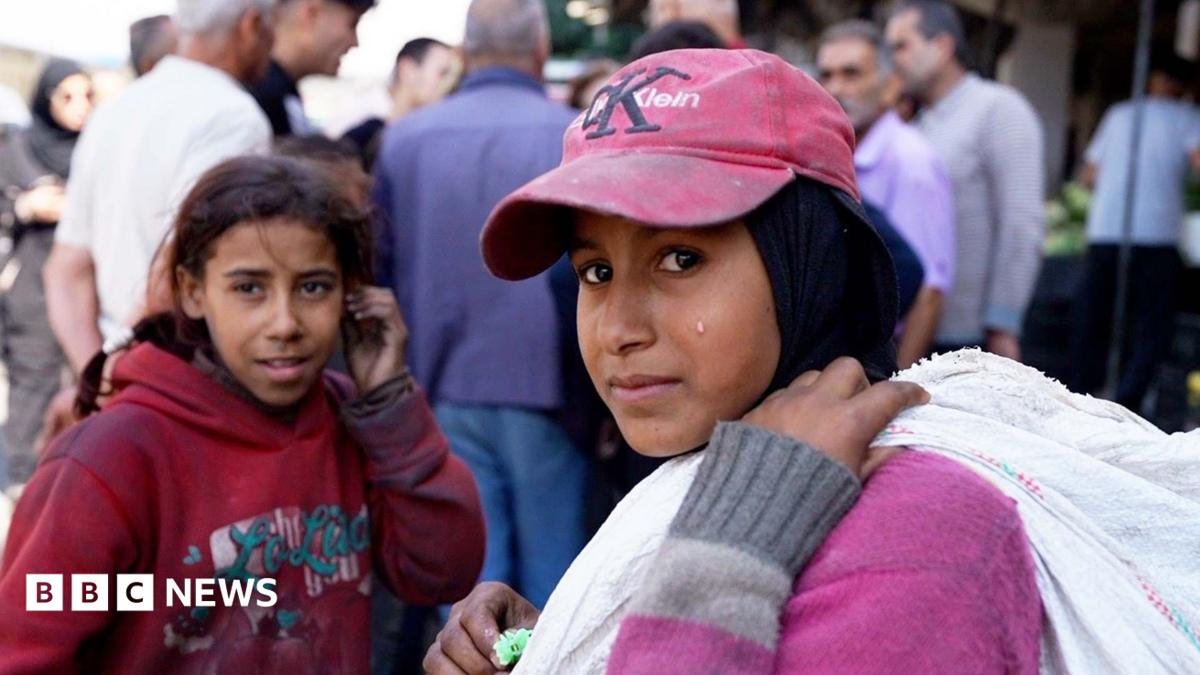
Syrians are staring at grocery shelves that look more like a luxury boutique than a lifeline, and the reality check is brutal: the state‑run safety net that kept food affordable is gone, and prices have taken off like a jet. The loss of subsidies has turned everyday shopping into a gamble, and the public mood is shifting from weary endurance to open frustration.
According to the BBC, the Syrian government announced the end of food and fuel subsidies in late September, and within weeks the cost of bread, diesel and cooking gas surged by double‑digit percentages. The same report notes that these price spikes are testing the popular legitimacy of Prime Minister Ahmed al‑Sharaa’s administration, which has been trying to project a post‑Assad recovery narrative.
Why Syrians Are Feeling the Pinch
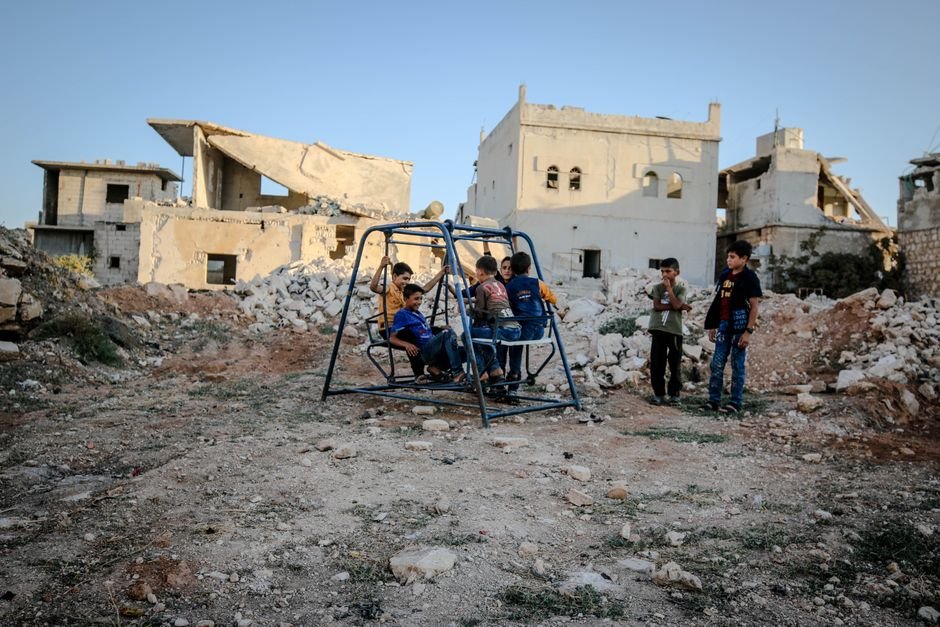
The subsidy collapse is not an isolated policy tweak; it is the latest flashpoint in a decade‑long crisis that began with the civil war and has been compounded by sanctions, a devastated infrastructure and a fragmented economy. After years of war‑time rationing, the government promised a “new chapter” of market reforms, but the timing is terrible. Inflation was already creeping upward, and the removal of price controls has turned that creep into a sprint.
For ordinary Syrians, the impact is immediate. Families that once stretched a single loaf of bread across a week now find themselves choosing between heating their homes and feeding their children. In the capital, protests that were once sporadic have become more vocal, with demonstrators chanting for “bread, not promises.” While the regime has historically relied on a combination of patronage and repression to silence dissent, the current economic pressure is eroding the social contracts that kept the apparatus stable.
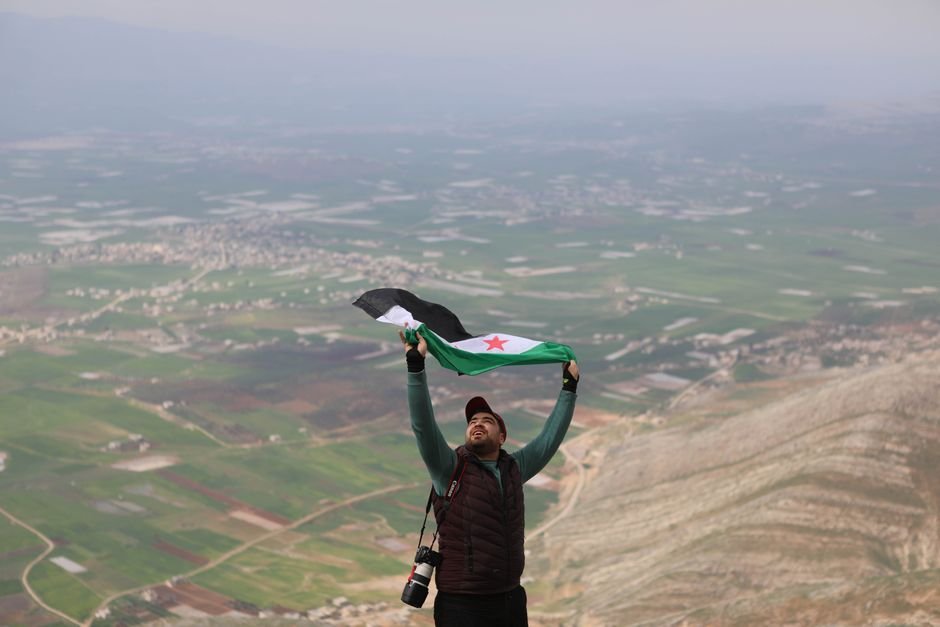
The political stakes for Monday are clear. Al‑Sharaa’s cabinet is scheduled to present a revised budget that claims to cushion the poorest with targeted cash transfers. Critics argue those measures are a Band‑Aid over a bleeding wound, especially as the state’s coffers are depleted by war‑related debts and dwindling oil revenues. If the budget fails to convince the public, the government could see a surge in civil unrest that would force a recalibration of its reform agenda.
Tech companies that have quietly taken root in Syria’s limited digital ecosystem are also feeling the heat. Start‑ups that rely on imported hardware now face soaring costs, while local telecom operators see reduced consumer spending on data plans. The market outlook for the week ahead hinges on whether the government can inject enough liquidity to keep these nascent sectors afloat, or whether the price shock will push them into a deeper freeze.

International investors, already cautious after years of volatility, are watching the upcoming parliamentary session for any signals of policy reversal. A sudden pivot back to subsidies could temporarily appease the masses but would also reignite concerns about fiscal irresponsibility. Conversely, a full‑throttle market liberalisation without safety nets could accelerate capital flight, further weakening the already fragile Syrian pound.
Hot Take: The Government’s Gamble Is Losing Its Edge
Al‑Sharaa’s decision to scrap subsidies was supposed to showcase a bold, market‑oriented future, but the reality is that the move has handed the opposition a potent rallying cry. The regime’s usual playbook—tighten security, promise future benefits, and ride on nationalist rhetoric—fails when the public cannot afford basic necessities. In this climate, the government’s credibility is eroding faster than its ability to enforce compliance.
Who wins? Short‑term, the state’s fiscal balance may improve marginally as subsidy payments disappear. However, the longer‑term cost is a populace that feels abandoned, a civil society that is more willing to voice dissent, and an economy that risks sliding back into black‑market dependency. The losers are the everyday Syrians who now have to allocate a larger slice of their dwindling incomes to food and fuel, and the reform‑oriented technocrats who hoped to steer Syria toward a digital renaissance.
What could go wrong? If protests intensify, security forces may resort to harsher crackdowns, which could invite further international condemnation and deepen sanctions. A mismanaged budget could also spark a banking crisis, as citizens rush to withdraw deposits in fear of devaluation. Meanwhile, tech entrepreneurs may abandon the Syrian market altogether, taking with them the thin layer of innovation that could have been a catalyst for broader economic diversification.
The mainstream narrative, as presented by state‑aligned outlets, frames the subsidy removal as a necessary step toward “economic sovereignty.” That spin ignores the human cost and the political fallout that is already manifesting in streets and online forums. While the government touts upcoming cash‑transfer programs, those measures are likely too modest to offset the shockwaves felt across households. The real story is a regime trying to balance fiscal prudence with political survival, and the balance is tipping dangerously toward the latter.
The week ahead will reveal whether Monday’s budget can stitch together a fragile peace or whether the price‑induced unrest will force al‑Sharaa to double‑back on his own reforms. Syrians are watching, and they will not stay silent for long. If the government cannot deliver immediate relief, the next wave of protests could be larger, more organized, and impossible to contain with rhetoric alone. The question now is not whether the subsidies will ever return, but whether the Syrian state can afford to lose the loyalty of its people while trying to rebuild a shattered economy.
Source: BBC Middle East