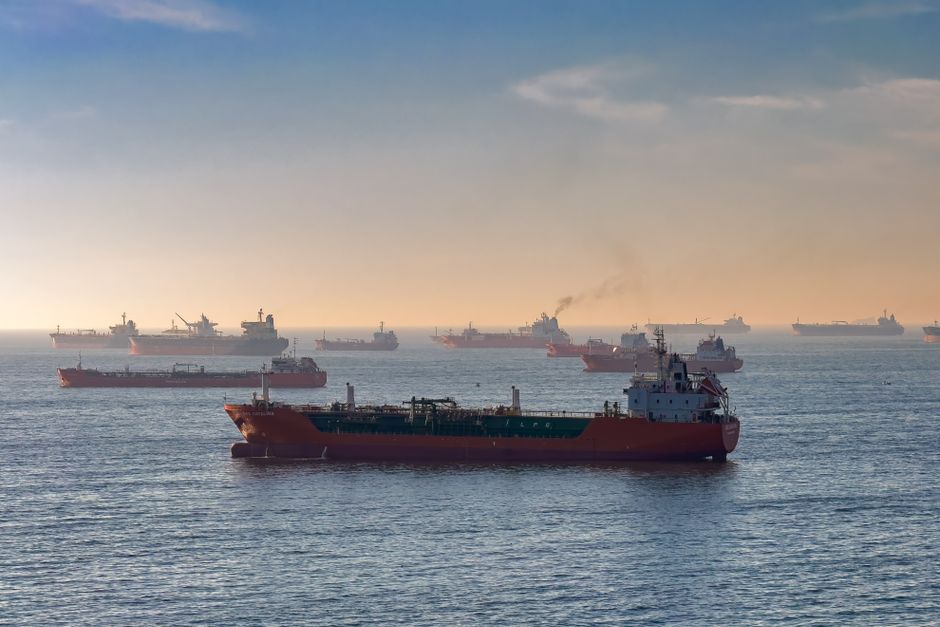
The Strait of Hormuz, ever a geopolitical pressure point, is once again signaling trouble for *Iran* and global shipping, as recent events suggest diplomatic understandings are now merely inconvenient suggestions.
This week’s “interview” wasn’t a sit-down with a head of state, but rather a series of pointed actions and declarations in one of the world’s most critical maritime choke points. The subject, as always, was control and influence, and the audience, the global economy. The political context, according to the OnTheRecord briefing, is an “escalation in the Strait of Hormuz,” marked by a significant shift in tanker traffic.
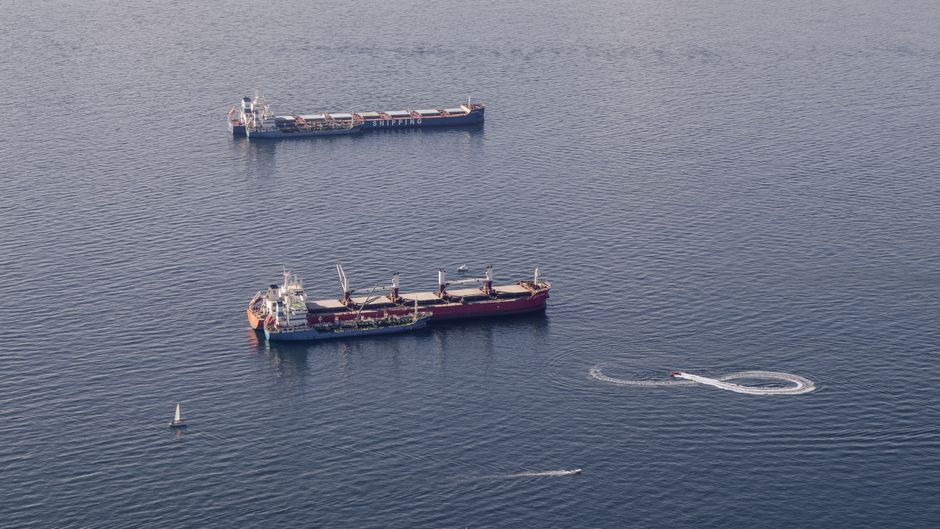
For days, commercial vessels have opted for the southern route along the Omani coast, pointedly eschewing the northern passage that Iran, by way of a Memorandum of Understanding, has reportedly insisted upon. This collective decision by the shipping community is less a gentle protest and more a resounding vote of no confidence in the existing framework. It’s a pragmatic, if risky, acknowledgment that the agreed-upon rules of engagement have, shall we say, expired.
What landed
The most revealing moment, if one can call the deliberate action of dozens of commercial ships a “moment,” was the widespread adoption of the southern shipping route. This isn’t merely a navigational preference; it’s a stark, practical declaration by the global shipping industry that the Memorandum of Understanding, which had supposedly guided passage, is now effectively defunct. The briefing’s title, “Both Sides Declare Their MoU To Be Ineffective,” is given potent, if unspoken, validation by these detours.
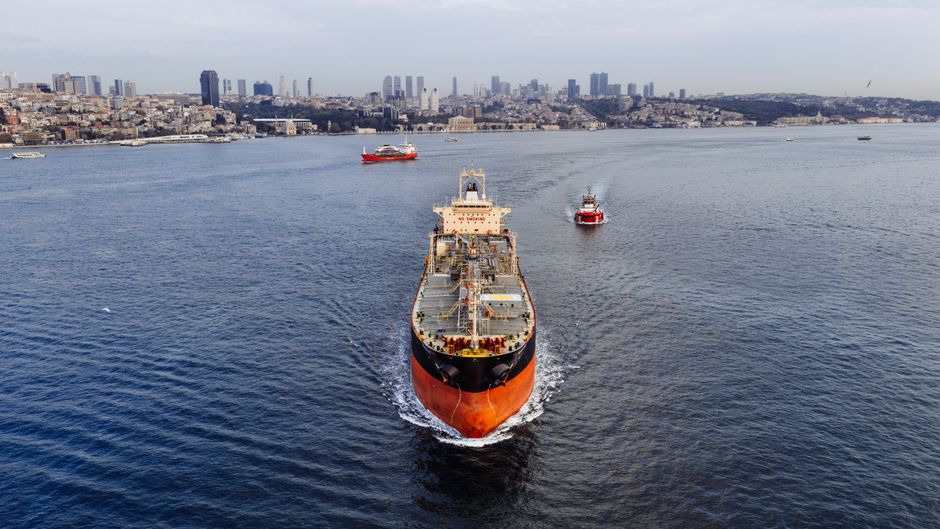
Iran’s “insistence” on the northern route, even as tankers streamed south, also landed, albeit with a rather hollow thud. It showed a determination to assert authority, or at least maintain the appearance of it, despite the undeniable reality unfolding in the waters. This steadfast adherence to a policy demonstrably ignored by its intended audience speaks volumes about the current state of affairs: one party issues instructions, the other simply navigates around them. It’s a performative insistence, revealing a gap between stated policy and practical enforcement. The message from the tankers was clear: we’ll choose safety, thank you very much, over theoretical adherence to a defunct agreement.
What doesn’t add up
The most glaring inconsistency lies in the very nature of the Memorandum of Understanding itself. An MoU, by definition, is a document intended to foster cooperation and provide a shared understanding. Yet, we are now informed that “Both Sides Declare Their MoU To Be Ineffective.” This raises the rather pertinent question: if an MoU is meant to prevent misunderstanding, how did both sides arrive at the simultaneous conclusion that it no longer works? Was it a mutual, amicable dissolution, or a de facto declaration driven by one party’s actions and the other’s inability to enforce? The briefing implies the latter, with tankers simply deciding to disregard Iran’s “insistence.”
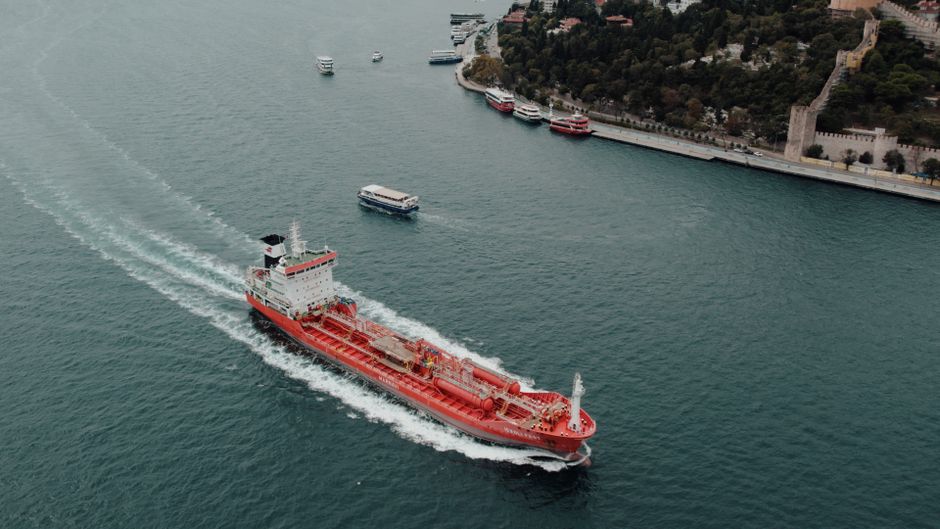
Furthermore, Iran’s continued “insistence” on the northern route, while simultaneously being party to a declared “ineffective” MoU, presents a curious logical knot. One can insist, of course, but if the underlying agreement is null and void, on what basis does that insistence stand? It smacks of a last-ditch attempt to exert control without the necessary diplomatic or practical leverage. The gap between what Iran says it insists upon and what the world’s tankers are actually doing is not merely a few nautical miles; it’s a chasm. The entire situation feels less like a negotiation and more like a collective shrug from the international shipping community, which has simply voted with its hulls.
What changes Monday morning? For one, the cost of doing business in the Strait of Hormuz will undoubtedly rise, as insurance premiums account for increased geopolitical risk. Furthermore, the explicit declaration of the MoU’s ineffectiveness leaves a diplomatic vacuum, increasing the likelihood of miscalculation and, regrettably, direct confrontation. The world wakes up to a Strait of Hormuz that is not merely tense, but demonstrably ungoverned by prior agreements, making every passage a roll of the dice.
Source: OnTheRecord