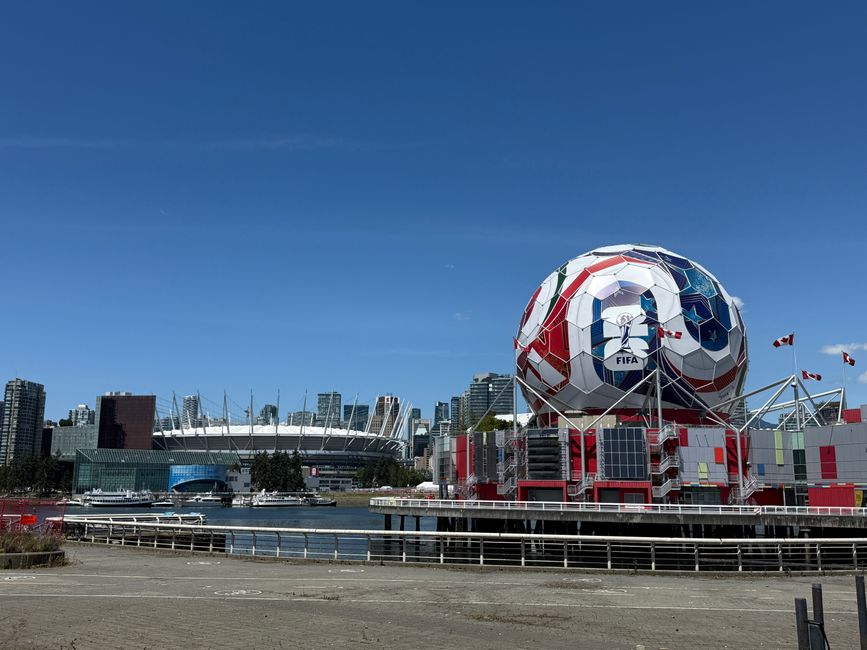
How cheap can political grandstanding get when it’s tied to the nation’s deepest sporting hopes? We’re talking about a potential bank holiday, dangled by none other than Starmer, purely on the back of England’s World Cup dreams. This isn’t just about football; it’s about the cynical art of political opportunism disguised as national celebration.
According to the BBC, the Prime Minister stated he didn’t want to “jinx it” but invited the question again “if we get to the final.” This carefully worded comment, though non-committal, clearly hints at a public holiday should England lift the World Cup trophy.
The Political Playbook of Starmer
This isn’t merely a casual remark from a football fan. This is Starmer, the leader of the country, dropping a calculated hint at a time when national morale often seeks a boost. The World Cup is an unparalleled cultural event, capable of uniting the UK in a way few other occasions can. It transcends social divides and political allegiances, at least temporarily. Therefore, any politician who can associate themselves with its success stands to gain significant public favour. This strategic timing is critical.
Historically, politicians have often seized upon major sporting victories to project an image of shared national pride and success. It is a well-worn playbook, designed to make leaders appear relatable and in tune with the everyday joys and aspirations of the populace. A bank holiday is not a trivial matter; it represents a significant economic and social decision, one that usually requires careful deliberation and planning. Yet, here it is, casually floated as a potential reward for athletic achievement.
Consider the current political landscape. The UK faces ongoing economic challenges, persistent issues within public services, and complex international relations. Against this backdrop, a promise of collective celebration, even a conditional one, serves as a powerful distraction. It shifts public discourse, however subtly, from policy debates to patriotic fervour. Furthermore, it sets a precedent. What other achievements might warrant a national holiday? And who decides the criteria? The implications extend far beyond the pitch.
The Real Stakes of a Conditional Holiday
Let’s be clear: this is a shrewd political gamble. If England wins, Starmer instantly becomes the hero who delivered a national celebration, etching his name into a moment of collective euphoria. He would be seen as the benevolent leader who understands and champions the people’s joy. The goodwill generated could be immense, potentially overshadowing any ongoing criticisms or policy struggles. It’s a high-reward, low-risk proposition, at least for him personally.
However, if England doesn’t win, the promise simply fades away. There’s no real accountability for something that was always contingent. No one will march on Downing Street demanding a holiday for a team that didn’t bring home the trophy. This allows Starmer to reap the potential benefits of the promise without bearing any real cost if the desired outcome isn’t met. It is an exercise in managing expectations and public sentiment, rather than delivering concrete policy.
From a different perspective, some might argue that a national celebration is exactly what the country needs. A collective moment of joy and respite could indeed provide a much-needed boost to national morale, offering a brief escape from the daily grind. Businesses, however, might view an unscheduled bank holiday with trepidation. The economic impact of lost productivity and unexpected costs for employers could be substantial, particularly for small businesses already grappling with rising expenses and labour shortages. This is a cost that the government doesn’t directly bear, but one that ripples through the economy.
Ultimately, this conditional holiday highlights the tension between genuine national pride and strategic political manoeuvring. Is it responsible leadership to float such a significant economic decision so casually, tied to the unpredictable outcome of a sporting event? Or is it a cynical play for votes, masking deeper policy challenges with feel-good patriotism? The mainstream media might focus on the “will they, won’t they” aspect of the holiday, but the real story lies in the calculated political calculus behind the Prime Minister’s words.
What price a moment of national euphoria when it’s bought with a politician’s conditional promise? The real question isn’t *if* England can win the World Cup, but whether we should cheer louder for the trophy or the shrewd political maneuvering that rides its coattails.
Source: BBC UK