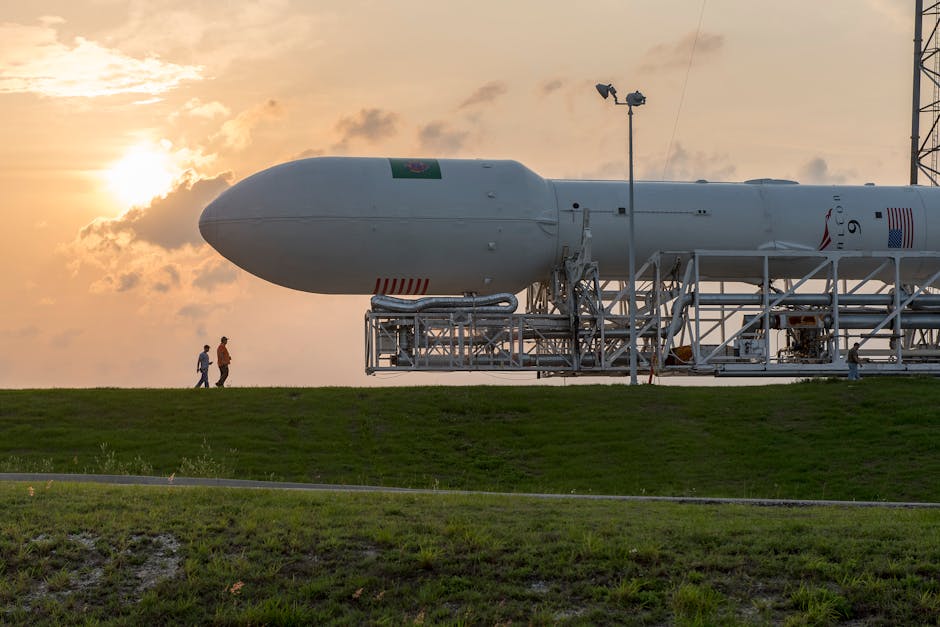
Elon Musk might be lining his pockets, but the latest hiccup from SpaceX raises a burning question: is the chaos in the markets poised to ground innovation? As SpaceX’s highly anticipated Starship launch gets postponed just as the company prepares for a record-breaking stock market debut, we have to wonder: can a company that shoots for the stars keep its feet firmly planted in the financial dirt?
According to BBC Technology, SpaceX announced the delay of the Starship launch just a day after unveiling plans for its ambitious stock market entry. This postponement adds a layer of uncertainty around a moment many had counted on to showcase Musk’s vision and SpaceX’s technological prowess.
The Tension Between Innovation and Markets
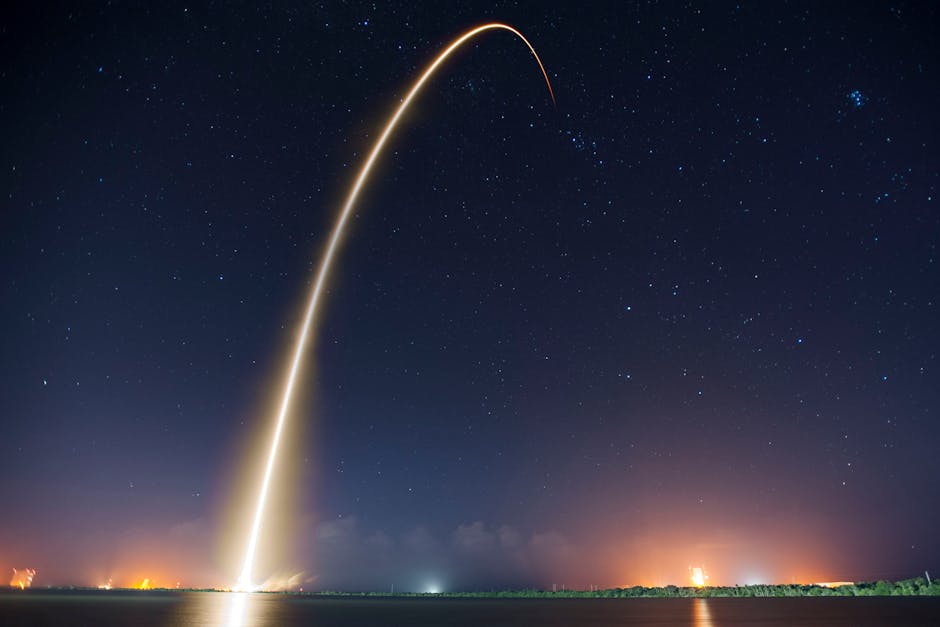
This crossroads isn’t just a setback for SpaceX; it’s a broader reflection of how volatile the markets have become. Musk, the king of audacious ventures, is betting big on a stock market debut that could shake up the financial landscape. The push for a mega share sale indicates that investors are eager to cash in on the space revolution. But they also expect delivery—literally and figuratively.
The delay in launching Starship raises flags for investors and innovators alike. It reveals the inherent tension between the demand for instant results in the relentless financial markets and the painstaking progress required to create groundbreaking technology. When you’re dealing with rockets and space exploration, you can’t rush perfection, and yet, the markets won’t tolerate prolonged uncertainty without consequences.
Who Wins and Who Loses?
So, who stands to gain or lose from this situation? On one hand, Musk’s brand is resilient; he’s proven time and again that he can bounce back from setbacks, often using them as fuel for his next big idea. However, the markets are a fickle beast. Investors may grow impatient with delays, particularly in an era where they expect tech companies to deliver dividends as quickly as their innovations.
Moreover, this delay could embolden competitors who are itching to capitalize on any weakness in SpaceX’s armor. The likes of Blue Origin and even national space agencies could see this as their opportunity to leapfrog ahead while SpaceX grapples with the fallout of its postponed launch. And let’s not kid ourselves—if investors begin to view Musk’s ventures as less than dependable, the charm of the SpaceX brand could face a significant erosion.
In a world where markets dictate the tempo of innovation, the stakes are high. Musk’s vision for interstellar travel could hang in the balance if financial backers lose confidence. This won’t just affect SpaceX; it sends a signal to other innovators that even the boldest ideas must cater to the whims of investors who are often only interested in the next quarterly report.
This neat little crisis also highlights a greater industry dilemma: how can groundbreaking companies navigate the thin line between visionary goals and the ever-demanding expectations of the markets? The future of space travel relies not just on audacity but also on the ability to deliver on those dreams—something that can’t be achieved with a mere postponement.
SpaceX’s hiccup looks more than just a launch delay; it’s a reminder that even the most ambitious endeavors can be stymied by the very same financial markets that fuel them. As investors hold their breath, ready for the next move, one thing is clear: in the race to the stars, the markets may have the final say. Will this delay send ripples of doubt through the SpaceX empire, or will it merely be a minor setback on the path to greatness? The clock is ticking, and the world is watching.
Source: BBC Technology