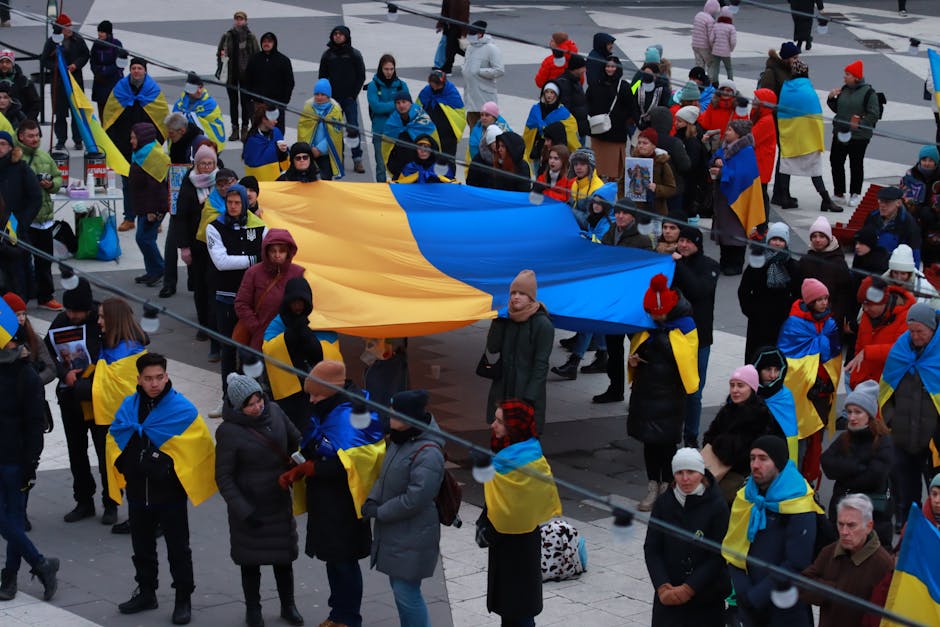
Should frames the debate here: In a world where symbols often speak louder than actions, the call to remove the Ukrainian flag from outside the Senedd raises uncomfortable questions about what solidarity actually means in Europe. Is it merely a theatrical gesture, or does it signify a deeper commitment to justice and support?
According to the BBC, Dan Thomas, the leader of Reform Wales, has thrown his weight behind this controversial proposal, igniting debates about the appropriateness of flying the Ukrainian flag in light of the ongoing conflict. Thomas argues that the flag’s presence might be “unnecessary” and distracts from local issues, a stance that many see as not just tone-deaf but alarmingly out of touch.
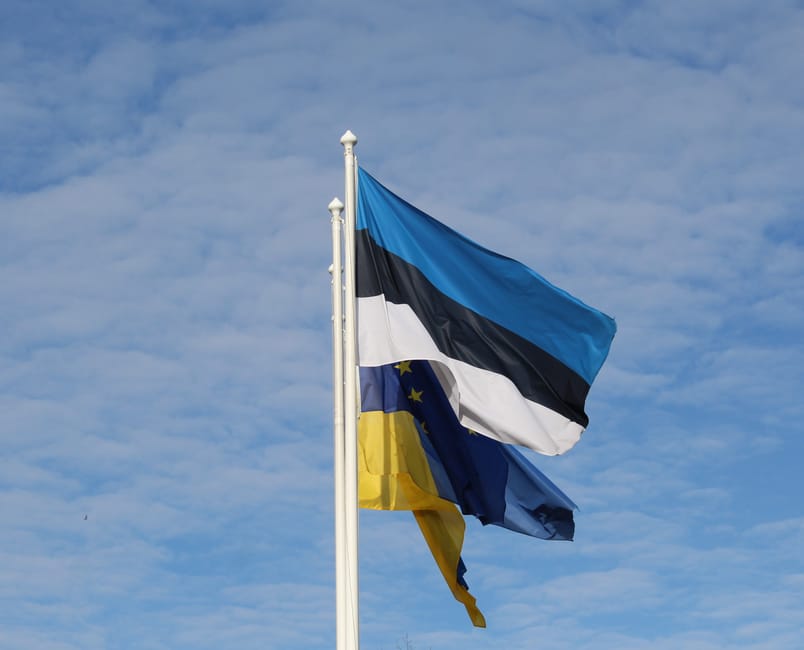
The Stakes of Symbolism in Europe
This debate matters now more than ever as the war in Ukraine continues to rage on, drawing lines of allegiance across the continent. Reform Wales is a relatively new player in the Welsh political landscape, but its growing influence highlights a trend among certain factions within Europe who are increasingly eager to downplay external conflicts in favor of local concerns. The question here is whether focusing solely on domestic issues is an admirable stance or a misguided escapism from global solidarity.
As Europe grapples with the ramifications of the war, including refugee influxes and economic strain, the voices calling for a retreat from international solidarity seem to grow louder. However, the removal of a flag that symbolizes resilience against aggression isn’t just a symbolic act; it represents a broader conversation about our collective identity and responsibilities as Europeans. When leaders like Thomas advocate for the disbandment of such symbols, they risk trivializing the struggles of nations fighting for their sovereignty.
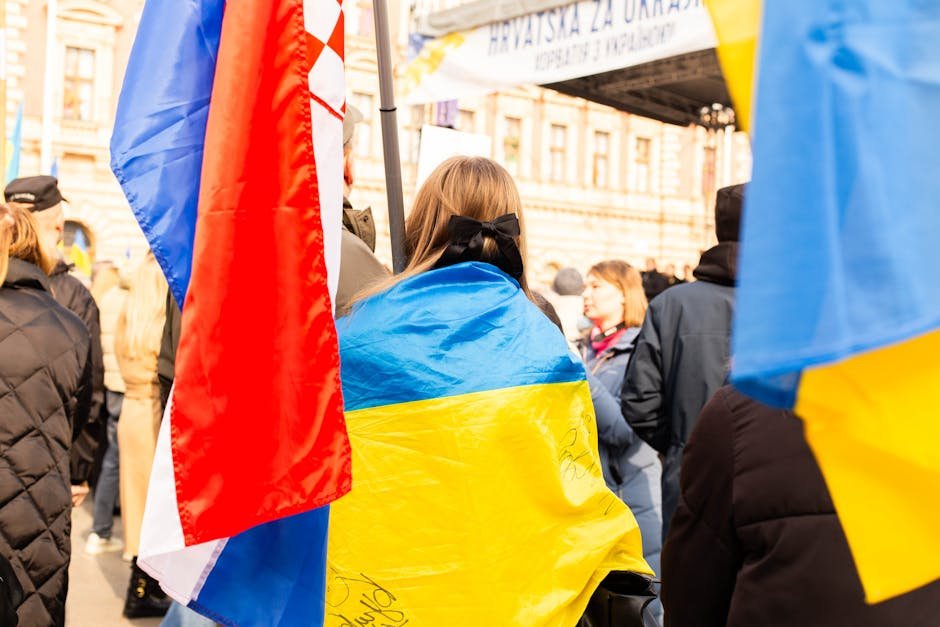
Winning the Wrong Battles
The real beneficiaries of this call to action may not be the people of Wales or even the local government; instead, it could very well be those who wish to diminish European unity. By sidelining the Ukrainian flag, Thomas and his supporters might be indicating that they believe local issues should take precedence over international crises. The danger here is significant. It sets a precedent that could embolden isolationist sentiments in Europe, where countries may start prioritizing domestic matters over the moral imperatives of aiding allies in distress.
Moreover, this isn’t just an abstract ideological battle; it carries real-world consequences. The more leaders in Europe push back against symbols of solidarity like the Ukrainian flag, the weaker the message against aggression becomes. This could open the door wider for autocrats both within and outside of Europe, emboldening them in their aggressive agendas. The mainstream media often glosses over these subtleties, focusing instead on the loudest voices in the room without fully exploring the implications of their stances.
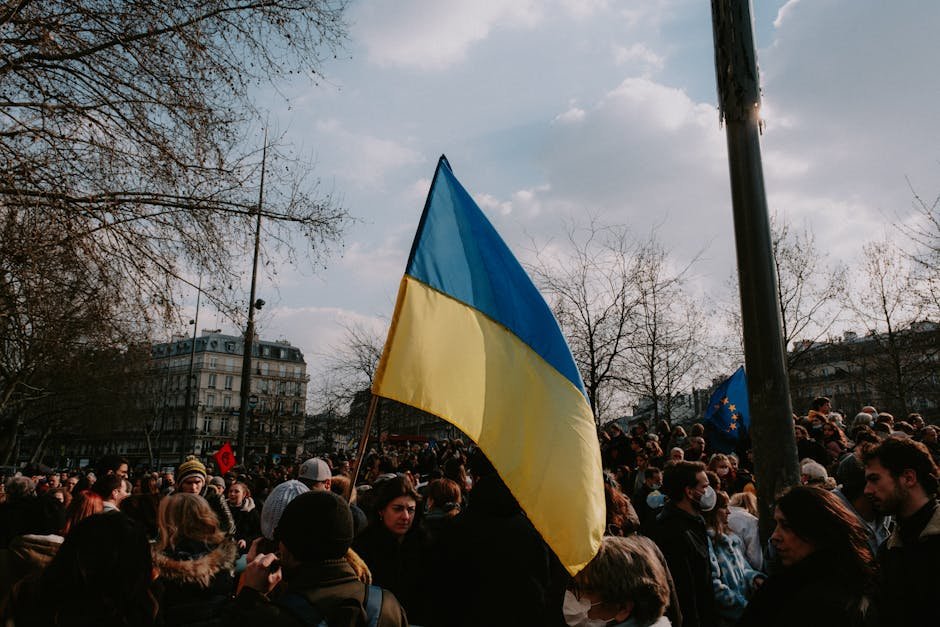
The call to remove the Ukrainian flag outside the Senedd is more than just a local issue; it embodies a critical crossroads for Europe. If we turn our backs on solidarity now, what will be left of our collective moral compass tomorrow?
As we ponder these questions, let’s not forget that solidarity has never been about convenience. It’s a call to action, a challenge to stand firm when the going gets tough. Are we ready to answer that call, or will we let the voices of exclusion dictate the terms of our collective future?
That tension around Should is not going away.
Source: Google — UK & Europe