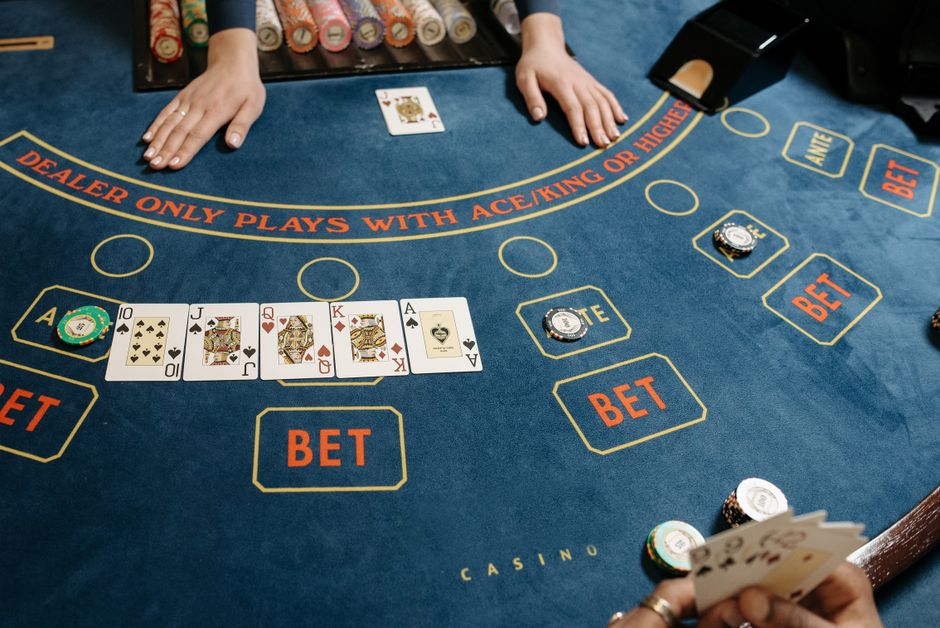
“Dealers Are” making a grand pronouncement, but the market’s initial whisper suggests a more complicated reality.
Seoul recently hosted two titans of the art world, Frieze Seoul and its local counterpart Kiaf, drawing global attention to South Korea’s burgeoning art scene. The air was thick with anticipation, a palpable hum of expectation for a market many have touted as the next big thing. These fairs weren’t just about selling art; they were a strategic declaration, a public display of confidence in a region long eyed for its potential.
What landed
The resounding message from the art world, as documented by *Artnews.com*, was one of unwavering faith. Dealers, it seems, are collectively “betting on the future of South Korea.” This isn’t just passive optimism; it’s an active investment, a strategic pivot by major galleries banking on a sustained growth trajectory in the East Asian market. The narrative spun from the fairgrounds suggested a long-game strategy, an understanding that immediate blockbuster sales might not be the sole measure of success when cultivating a new, robust collector base. This commitment to the long haul, to cultivating relationships and building infrastructure, was presented as the dominant, indeed, almost the *only* story.
What doesn’t add up
Yet, beneath this confident veneer, a more muted truth emerged. For all the talk of grand futures and strategic positioning, the same *Artnews.com* report noted that sales at both Frieze and Kiaf moved at a “measured pace” on their opening days. “Measured” is a polite euphemism, of course, for something less than the frenetic, cash-splashing spectacle often associated with a truly ‘hot’ market launch. It’s a striking disconnect: the collective, vocal enthusiasm for South Korea’s future juxtaposed sharply with the actual transaction speed in the present. If dealers are truly “betting big,” why did the chips trickle in rather than flood?
This isn’t to say the bet is necessarily wrong, but the initial returns certainly don’t match the effusive pronouncements. One might recall previous market ‘booms’ that were more enthusiasm than substance, or perhaps simply ahead of their time. The current narrative feels a little too perfectly aligned, a touch too insistent on the long view precisely when immediate validation is sparse. It raises a skeptical eyebrow: Is this a genuine, long-term strategic play, or a well-orchestrated exercise in managing expectations when the immediate metrics don’t quite deliver the headline-grabbing numbers? The collective “bet” on South Korea’s future seems less like a sure thing and more like a high-stakes poker face, attempting to project confidence despite a less-than-stellar opening hand.
Come Monday morning, the art world will continue to watch Seoul. The question isn’t whether South Korea will eventually blossom into a major art hub – the infrastructure and ambition are clearly there – but whether the current, carefully curated optimism can sustain itself through a “measured pace” that feels more like a slow burn than the promised explosion. The market has spoken, for now, with a quiet caveat.
Source: OnTheRecord