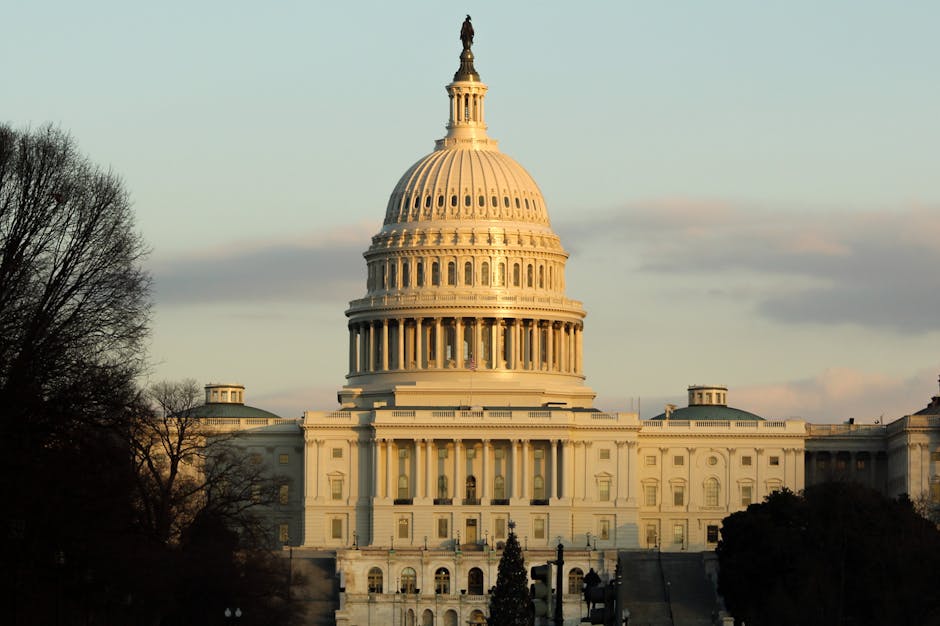
In the high-stakes game of international diplomacy, the Middle East often feels like a pressure cooker ready to explode. When Senator Marco Rubio testifies on Capitol Hill for the first time since the latest eruption of conflict in the region, you know the stakes have never been higher.
According to PBS, Rubio’s testimony comes amidst an escalating crisis following the renewed hostilities triggered by the Iran war. He is expected to shed light on U.S. policy towards Iran and its implications for American interests in the turbulent Middle East.
The Middle East in Turmoil
Why does this matter now? The Middle East has long been a volatile region, but the latest developments have brought it into sharp focus for lawmakers in Washington. The Iran war has reignited concerns over nuclear proliferation, regional stability, and the lives of millions caught in the crossfire. With Rubio’s testimony, we are not just getting insights into policy; we are witnessing a pivotal moment that could dictate America’s engagement in the Middle East for years to come. Rubio, a staunch critic of Iran, will likely push for a tougher stance, arguing that diplomatic appeasement has historically led to disaster.
We cannot ignore the players involved. The Biden administration is tasked with navigating this minefield, balancing the need for a robust response while avoiding the traps of past military engagements. Iran, emboldened by its provocations, sees the U.S.’s hesitance as weakness. Meanwhile, allies like Israel and Saudi Arabia are watching closely, each seeking their interests amidst the chaos.
Analyzing the Stakes in the Middle East
Rubio’s testimony is more than just rhetoric; it’s a signal of intent. Who stands to gain from a more aggressive U.S. strategy, and who loses? A harder line towards Iran could rally allies, strengthening bonds against a common enemy. However, it risks igniting a broader conflict that could escalate beyond anyone’s control. The danger lies in miscalculations—an accidental strike, a misread signal—these are all too common in the charged atmosphere of the Middle East.
What the mainstream media often overlooks is the deep-seated complexities of this crisis. The narrative tends to simplify the conflict into good versus evil; however, the reality involves a tangle of regional politics, economic interests, and cultural divides. Rubio’s hawkish stance may resonate well with certain factions, but it alienates others and fails to address the underlying issues that perpetuate instability in the Middle East.
As we await the outcomes of Rubio’s testimony, one question looms large: Are we prepared to face the consequences of our policies in this ever-chaotic region? The Middle East is not just a distant issue; it’s a mirror reflecting our own foreign policy failures and aspirations.
In the end, the actions that lawmakers choose to take today will echo for years to come. Will they choose a path of confrontation or one of diplomacy? The outcome of this testimony may well set the tone for America’s next chapter in a region that has long been a focal point of global intrigue and conflict.
Source: Google — Middle East